Wall Street Slides as Iran Tensions and Oil Spike Collide With Fed Inflation Data

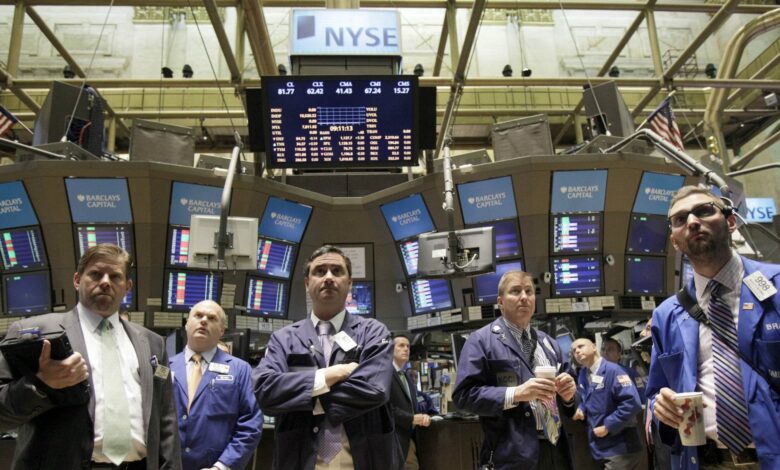
Futures are flashing red across the board this Tuesday morning, and the culprit is a familiar one: geopolitical risk colliding with monetary policy uncertainty at the worst possible moment. The brief thaw between the US and Iran has disintegrated, oil prices are spiking, and traders are now bracing for a critical inflation print that could reshape the Federal Reserve’s rate trajectory.
A Fragile Truce Unravels at the Wrong Moment
Markets had priced in a degree of calm after the earlier Iran-US de-escalation. That calm evaporated fast. Renewed strikes have reignited the geopolitical risk premium embedded in oil markets, and crude’s move higher is now bleeding directly into equity sentiment. The Dow and Nasdaq both closed lower Monday as natural gas and energy names caught a bid while risk assets broadly retreated.
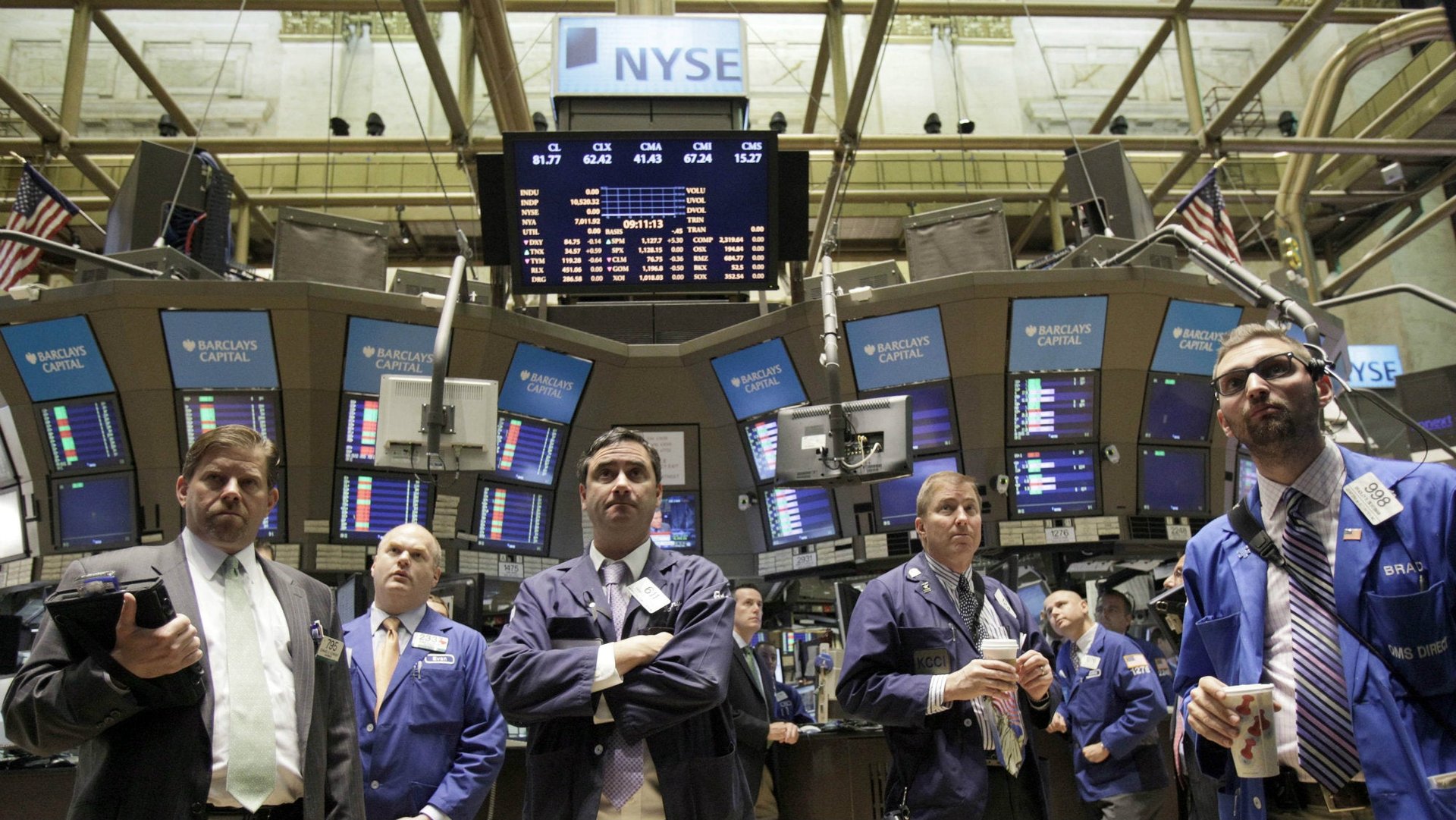
This is a textbook risk-off rotation. When conflict escalates in the Middle East, energy costs rise first, and everything downstream, from airline margins to consumer discretionary spending, gets repriced accordingly. As we detailed in our recent coverage of S&P 500 futures sliding on Iran strikes and Fed minutes, this pattern of geopolitical shock meeting monetary policy ambiguity has become the defining volatility driver of the summer.
Key Data Points Traders Are Watching
- Equity futures: S&P 500, Nasdaq, and Dow futures all slipped Tuesday morning, extending Monday’s losses.
- Oil prices: Crude spiked sharply following new US-Iran strikes, pressuring risk sentiment across sectors.
- Treasury yields: Rising yields are compounding earnings jitters, particularly for rate-sensitive tech names.
- Micron (MU): Shares fell 4.6% intraday as investors booked profits following the broader chip sector’s recent run.
- Fed rate bets: Traders have lifted rate hike expectations ahead of Tuesday’s key inflation report, a notable shift in positioning.
- Earnings calendar: Major bank earnings this week will test whether corporate fundamentals can offset macro headwinds.
The memory chip and broader semiconductor space remains a pressure point. One ETF tracking memory stocks has already slipped into bear market territory, a signal that the AI-driven rally in chipmakers is facing genuine profit-taking rather than a fleeting pullback. This mirrors the volatility we flagged when SK Hynix plunged 14.5% amid an AI chip selloff earlier this month.



What Markets Are Pricing In Now
The setup here is genuinely two-sided. On one hand, escalating Iran tensions historically compress risk appetite and push capital toward defensive sectors and energy. On the other, a hotter-than-expected inflation print today could force the Fed’s hand toward a more hawkish stance, precisely as equities are already digesting a geopolitical shock. That combination, oil-driven cost-push inflation plus a jumpy Fed, is the scenario markets fear most.
The yield curve’s recent behavior signals traders are recalibrating for a longer runway of elevated rates. If today’s inflation data surprises to the upside, expect a sharper repricing in rate-sensitive equities, particularly growth and tech names still carrying premium valuations. Bank earnings later this week will be scrutinized not just for profit numbers but for management commentary on loan demand and credit conditions, an early read on whether the broader economy is absorbing these shocks or starting to crack.
For investors, the practical takeaway is defensive positioning discipline. Energy and select value names may offer near-term ballast, while high-multiple growth stocks remain vulnerable to any hawkish surprise from the inflation data or further oil-driven cost pressures.
What to Watch This Week
The immediate catalyst is Tuesday’s inflation report, which will heavily influence Fed rate-hike odds. Beyond that, bank earnings, oil price stability, and any further developments in the Iran situation will determine whether this is a brief risk-off episode or the start of a more sustained repricing across equity markets.
Frequently Asked Questions about today’s stock market volatility
Why are stock futures falling today?
Futures are down primarily due to renewed US-Iran tensions that have pushed oil prices sharply higher, combined with trader anxiety ahead of a key inflation report that could shift Federal Reserve rate expectations.
How are rising oil prices affecting the broader market?
Higher oil prices increase input costs across industries, from transportation to manufacturing, which can squeeze corporate margins and reignite inflation concerns. This is prompting a rotation toward energy and defensive sectors and away from richly valued growth stocks.
Why did Micron shares drop 4.6%?
Micron’s decline reflects profit-taking after a strong run in the memory chip sector, with investors locking in gains amid broader semiconductor sector volatility rather than any specific negative company news.
What is the significance of today’s inflation report?
The report will directly influence market expectations for the Fed’s next rate decision. Traders have already lifted rate hike bets ahead of the release, meaning a hotter-than-expected print could trigger a sharper equity selloff, particularly in tech and growth names.
What should investors watch in the coming days?
Key catalysts include the inflation data release, major bank earnings reports this week, any further escalation or de-escalation in Iran-related geopolitical risk, and movement in Treasury yields, all of which will shape short-term market direction.
Stay ahead of the markets. Every day, The Finance Brief delivers expert financial analysis on the trends and decisions shaping the North American and global economy, in under 5 minutes.