The 2026 midterm primary season delivered its most consequential results yet on June 23, as left-wing Democrats aligned with New York City Mayor Zohran Mamdani unseated multiple incumbent House members, signaling a sharp ideological realignment within the Democratic Party that carries direct implications for fiscal policy, regulatory priorities, and the broader political backdrop shaping U.S. markets.
A Primary Night That Rewrites the Democratic Playbook
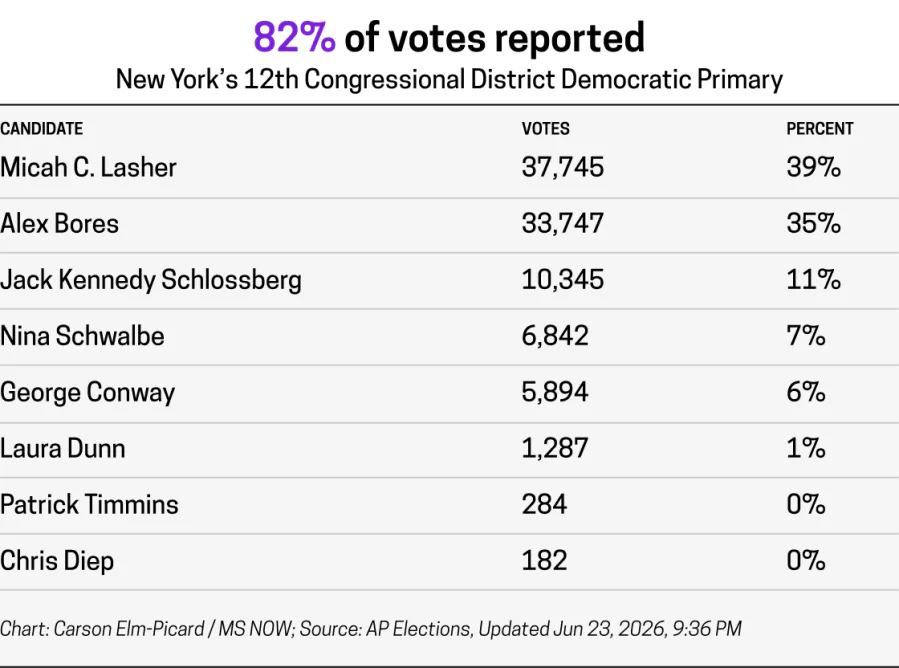
Tuesday’s primaries across New York, Maryland, and Utah were not routine intraparty contests. In New York, Mamdani-backed candidates scored decisive upsets: Darializa Avila Chevalier defeated Representative Adriano Espaillat, and Brad Lander ousted Representative Dan Goldman, according to The New York Times. These are not marginal figures. Goldman, in particular, had been a prominent centrist voice in the House Democratic caucus. Their defeats mark a significant leftward shift in the party’s congressional representation heading into November.
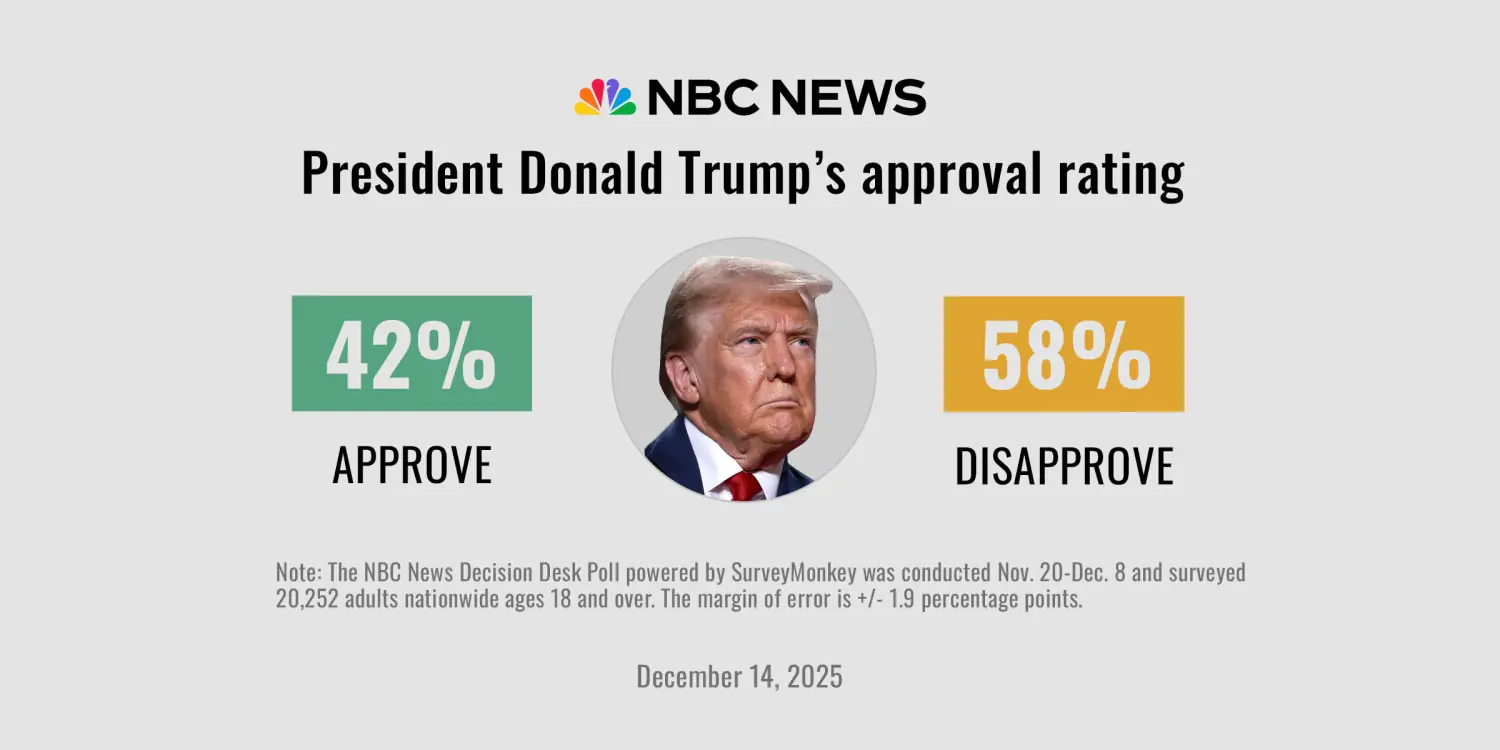
The results arrive against a politically charged backdrop. As we outlined in our recent analysis of President Trump’s approval rating falling to a record low of 30%, the 2026 midterms are shaping up as a referendum on the current administration’s economic and fiscal agenda. The question now is whether a more progressive Democratic cohort will sharpen or complicate the party’s economic messaging ahead of the general election.
Key Results Across Three States
- New York: Mamdani-aligned candidates swept key House primaries, with Avila Chevalier defeating Espaillat and Lander defeating Goldman, per the New York Times. The NY-21 district also held primaries, per WPTZ.
- Maryland: Governor Wes Moore rolled to renomination, setting up a rematch against Republican Dan Cox in the general election, according to The Herald-Mail. Moore’s strong showing signals stability on the Democratic side in a state-level race closely watched for its economic policy implications.
- Utah: Senate President Stuart Adams conceded to Republican challenger Stephanie Hollist in a notable intraparty upset, per the Utah News Dispatch, underscoring that primary volatility is not confined to the Democratic side.
Market and Fiscal Policy Implications
Primary results rarely move equity markets directly. The downstream effects, however, are material. A more progressive House Democratic caucus entering the 2027 legislative session would likely push harder on corporate tax increases, antitrust enforcement, pharmaceutical pricing regulation, and expanded social spending. For equity investors, particularly those with exposure to healthcare, big tech, and financial services, the ideological composition of the incoming Congress matters considerably.


The Maryland governor’s race carries its own economic weight. A Moore-Cox general election rematch will force a debate over state fiscal policy, infrastructure spending, and the business climate in a state home to significant federal contracting activity and a large professional services economy.
The Utah result is a reminder that Republican primary dynamics remain fluid. Hollist’s defeat of Senate President Adams suggests grassroots conservative energy continues to challenge establishment figures, a pattern with implications for how Senate Republicans approach budget negotiations and debt ceiling discussions in the next Congress.
Markets are also pricing in the broader political arithmetic. With Trump’s approval at historic lows, a Democratic wave in November becomes a baseline scenario for many strategists. A wave powered by the progressive wing, rather than centrists, would shift the probability distribution on post-election fiscal outcomes, with higher odds of aggressive tax proposals and tighter regulatory frameworks entering the legislative pipeline.
What to Watch Before November
The next critical data points are the general election matchups that crystallize from Tuesday’s results. Watch how Mamdani-aligned candidates in New York position themselves on economic issues, particularly around housing costs, corporate taxation, and Wall Street regulation. In Maryland, the Moore-Cox rematch will serve as an early bellwether for suburban voter sentiment on economic management. Any further primary upsets in remaining states will refine the picture of which ideological faction controls the Democratic legislative agenda after November.
Frequently Asked Questions about the 2026 Primary Election Results
Why do primary election results matter for financial markets?
Primary results determine which candidates compete in general elections and, ultimately, who shapes fiscal and regulatory policy in Congress. A shift toward more progressive or more conservative candidates signals potential changes in tax policy, government spending, antitrust enforcement, and financial regulation, all of which directly affect corporate earnings and investor sentiment.
Who is Zohran Mamdani and why does his influence matter economically?
Zohran Mamdani is the Mayor of New York City and a prominent figure in the progressive wing of the Democratic Party. His backed candidates favor policies such as higher corporate taxes, expanded public spending, and tighter regulation of financial institutions. Their primary victories increase the likelihood that such proposals gain traction in the next Congress.
What does the Maryland governor’s race mean for investors?
Maryland is home to a large federal contracting sector and a significant professional services economy. A rematch between Governor Wes Moore and Republican Dan Cox will center on state fiscal policy, business taxation, and infrastructure investment. The outcome will influence the business climate for companies operating in the Mid-Atlantic region.
How does the Utah Senate primary upset fit into the broader political picture?
Senate President Stuart Adams losing to challenger Stephanie Hollist reflects continued grassroots conservative pressure on Republican incumbents. This pattern matters for budget and debt ceiling negotiations, as more ideologically rigid Republican members historically take harder lines on spending limits and fiscal agreements.
What is the key indicator to monitor between now and the November general election?
Watch the policy platforms of Mamdani-aligned Democratic nominees in New York, particularly their positions on corporate taxation and financial regulation. Simultaneously, track national polling on congressional preference, as a widening Democratic advantage would increase the probability of a progressive-led House majority and the fiscal policy shifts that would follow.
Stay ahead of the markets. Every day, LeGrebe delivers expert financial analysis on the trends and decisions shaping the North American and global economy , in under 5 minutes.