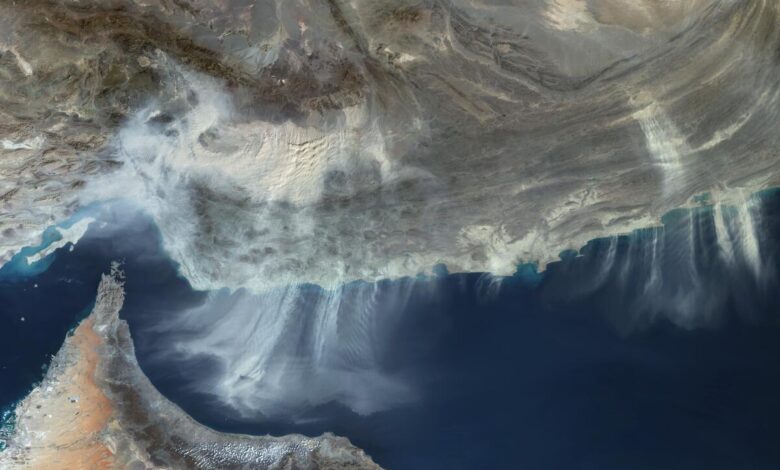
A senior U.S. official confirmed Monday that Washington and Tehran have agreed to halt mutual attacks in the Strait of Hormuz, sending crude futures higher and forcing traders to rapidly reprice one of the most consequential geopolitical risk premiums in global energy markets. The development follows days of volatile, mixed price action as tit-for-tat military strikes repeatedly threatened to choke off a waterway through which roughly a fifth of the world’s seaborne oil flows.
A Fragile Truce in the World’s Most Critical Shipping Lane
The Strait of Hormuz has dominated energy market sentiment for the better part of the past week. Fresh U.S.-Iran military exchanges reignited supply disruption fears, pushing Brent crude higher on a risk-off bid before a partial diplomatic breakthrough tempered the most extreme scenarios. According to reporting from Axios cited across multiple market sources, the two sides agreed to suspend attacks in the strait, raising hopes that tanker traffic could normalize.
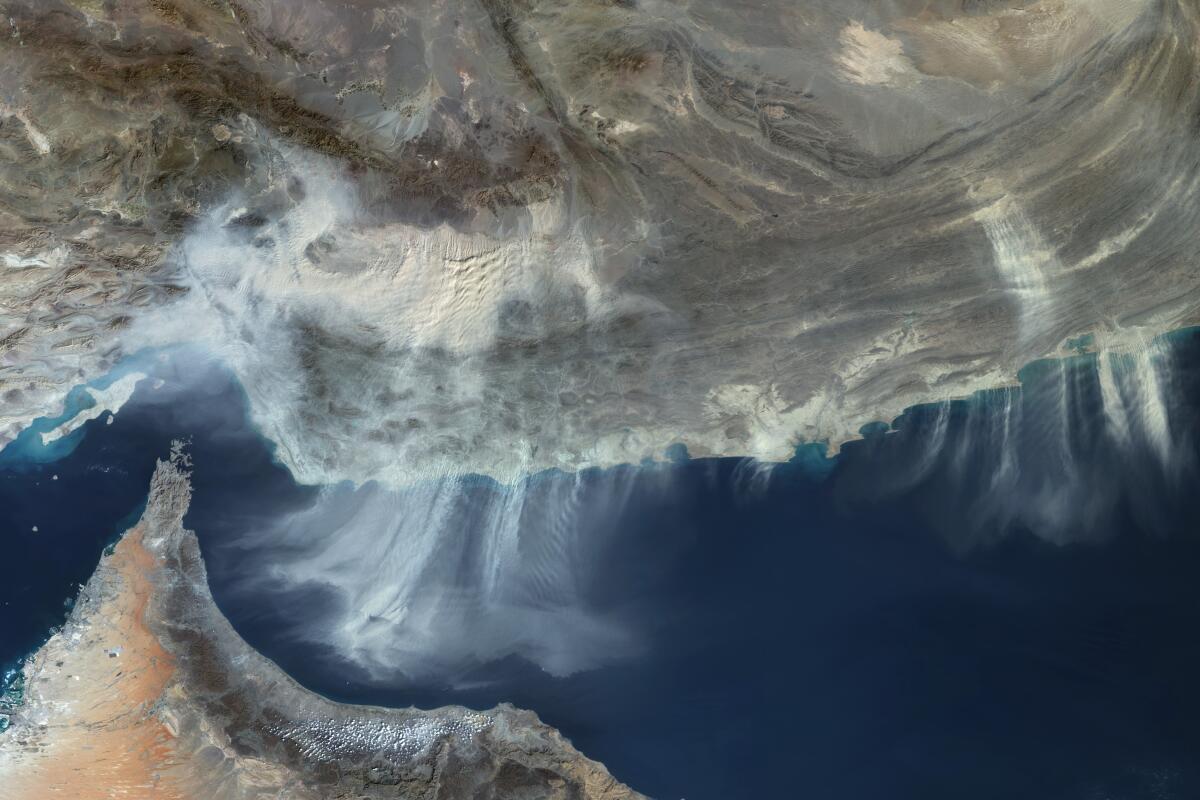
The market reaction was immediate but measured. Brent crude edged higher following the ceasefire report, while WTI futures also firmed. The price action reflects a market caught between two competing narratives: relief that a full Hormuz closure has been averted, and deep skepticism that a fragile, unverified truce between Washington and Tehran constitutes durable de-escalation.
As we outlined in our recent analysis of oil prices moving toward pre-war levels as Gulf shipping resumes, the IRGC’s posture toward commercial vessels has remained a persistent wildcard even as diplomatic channels opened. That tension has not disappeared.

What the Data and Market Positioning Actually Show
The underlying supply picture is more complex than headline price moves suggest. Analysts at OilPrice.com warned explicitly that markets are pricing a supply surge that is not guaranteed. The anticipated rebound in Hormuz throughput, they argue, is being driven largely by stranded tankers that accumulated during the disruption period rather than by a genuine resumption of new export flows from Gulf producers.
- Brent crude edged higher Monday after the ceasefire report, reversing earlier losses tied to fresh strike activity.
- WTI futures were mixed through the session, reflecting uncertainty about the durability of the Washington-Tehran agreement.
- Analysts flagged that the expected supply rebound is a one-time release of stranded inventory, not a structural increase in production capacity.
- Tit-for-tat strikes earlier in the session had already complicated any clean reopening of the waterway before the truce announcement.
The spread between Brent and WTI has been a useful signal here. Elevated Brent premiums relative to WTI reflect the disproportionate exposure of European and Asian refiners to Middle Eastern crude grades, underscoring why any Hormuz disruption carries outsized consequences for global refining margins.
Market Impact: Relief Rally or Structural Repricing?
The critical question for energy investors is whether Monday’s price action represents a genuine de-escalation trade or simply a tactical bounce within a structurally elevated risk environment. The evidence leans toward the latter.
Diplomatic agreements between the U.S. and Iran have historically proven difficult to enforce and easy to unravel. The ceasefire, as reported, covers attacks within the Strait of Hormuz specifically, but leaves unresolved the broader military posture of both sides across the wider Persian Gulf region. Any resumption of strikes, even outside the strait’s formal boundaries, would likely reignite supply premium bids immediately.
For North American energy equities, the near-term read is cautiously constructive. Integrated majors with Gulf exposure benefit from price stability, while U.S. shale producers face a more nuanced calculus: higher crude supports revenue, but rapid Hormuz normalization and a flood of stranded tanker supply could cap the upside more quickly than the current futures curve implies.
Downstream, U.S. consumers and industrial users of refined products are watching closely. Jet fuel and diesel crack spreads had widened materially during peak disruption fears. A sustained Hormuz reopening would compress those spreads, offering some relief to airlines and freight operators that have been absorbing elevated fuel costs.
As we noted in our earlier coverage of Dow futures sliding as U.S.-Iran talks stalled, equity markets have been pricing Hormuz risk into broader risk sentiment, not just energy stocks. A credible, sustained ceasefire would remove one significant headwind from the current macro backdrop.
Key Risks and What to Watch
The downside scenarios remain live. Iran’s Islamic Revolutionary Guard Corps has previously acted independently of official government positions, and any IRGC action against commercial shipping would immediately invalidate the current truce framework. OPEC+ production policy adds a second variable: if Gulf producers use a Hormuz reopening to accelerate output increases, the resulting supply surge could push prices materially lower, complicating fiscal positions for producer nations.
Watch for official confirmation from both Washington and Tehran of the ceasefire terms, tanker tracking data showing actual resumption of Hormuz transits, and any OPEC+ emergency communication in the days ahead. The spread between front-month and deferred crude futures will be the cleanest real-time signal of how much residual risk premium the market is still carrying.
Frequently Asked Questions about the Strait of Hormuz and Oil Prices
Why does the Strait of Hormuz matter so much to global oil prices?
The Strait of Hormuz is the world’s most critical oil chokepoint, with roughly 20% of global seaborne crude and petroleum products transiting through it daily. Any disruption to traffic in the strait immediately threatens supply to major importing regions including Europe, Asia, and parts of North America, which is why even the threat of closure triggers sharp moves in crude futures.
What exactly did the U.S. and Iran agree to on Monday?
According to a senior U.S. official cited by Axios, Washington and Tehran agreed to halt mutual attacks specifically within the Strait of Hormuz. The agreement was reported as a ceasefire on strikes in the waterway, raising hopes for a resumption of commercial tanker traffic. The full terms and verification mechanisms had not been publicly confirmed as of Monday’s reporting.
Why are analysts skeptical that oil prices will fall sharply even with a ceasefire?
Analysts warn that the anticipated supply rebound is being driven by stranded tankers that accumulated during the disruption period, not by new production flows. Once those vessels clear the strait, the one-time inventory release ends. Additionally, the ceasefire’s durability is uncertain, meaning the market is unlikely to fully remove the geopolitical risk premium from crude pricing until a more lasting diplomatic resolution emerges.
How does this affect North American energy stocks and consumers?
For North American integrated energy majors, price stability around current levels is broadly constructive for earnings. U.S. shale producers benefit from elevated crude but face potential cap on upside if Hormuz supply normalizes faster than expected. Consumers and businesses reliant on refined products, particularly airlines and freight operators, stand to benefit from compressed jet fuel and diesel crack spreads if the strait fully reopens.
What are the key indicators to monitor in the coming days?
Investors should track tanker AIS (Automatic Identification System) data showing actual vessel movements through the Strait of Hormuz, any official joint statement from U.S. and Iranian authorities confirming ceasefire terms, OPEC+ communications regarding production policy, and the Brent-WTI spread as a real-time gauge of residual geopolitical risk premium in crude markets.
Stay ahead of the markets. Every day, LeGrebe delivers expert financial analysis on the trends and decisions shaping the North American and global economy , in under 5 minutes.
