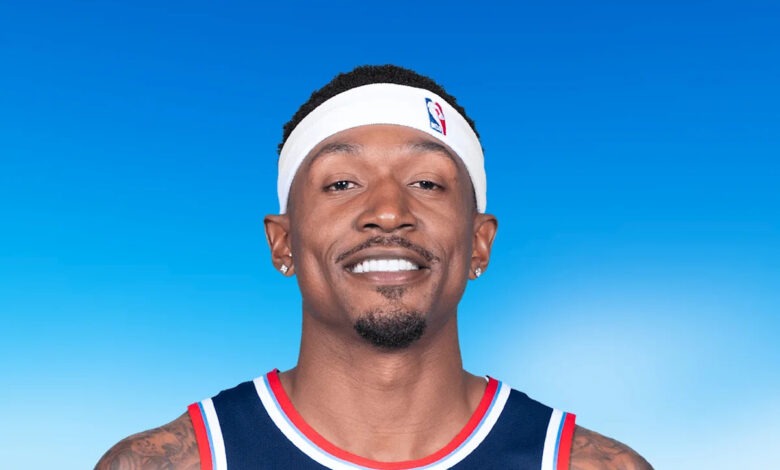
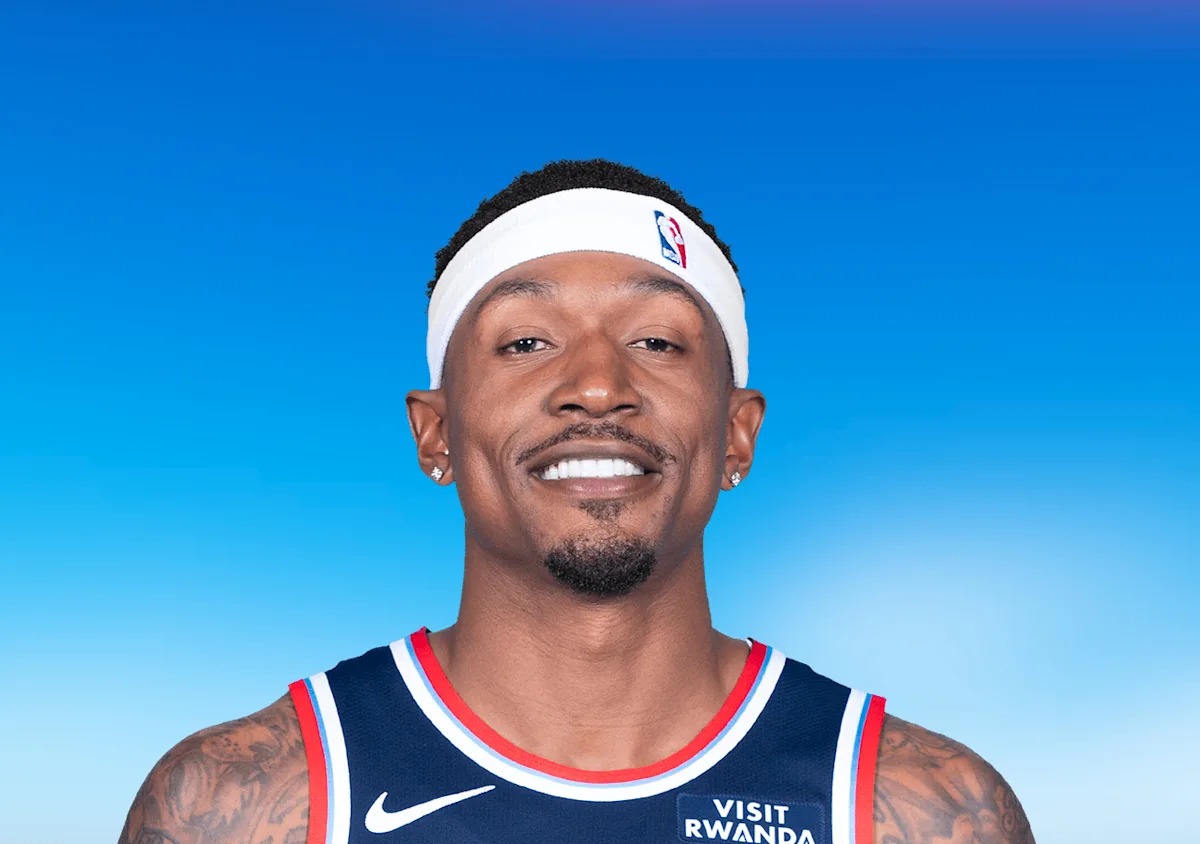
Bradley Beal is walking away from guaranteed money. The veteran guard declined his $5.62 million player option with the Los Angeles Clippers for the 2026-27 season, electing to become an unrestricted free agent, according to multiple reports citing ESPN’s Shams Charania and NBA insider Chris Haynes. The move adds a significant name to what is shaping up as one of the more consequential NBA offseasons in recent memory.
A Calculated Bet on a Thin Market
Opting out of a $5.62 million guarantee is not a decision made lightly, even for a player of Beal’s pedigree. The calculus here is straightforward: Beal is betting that the open market will deliver a more lucrative or more strategically attractive deal than what the Clippers had on the table. Whether that bet pays off depends heavily on how teams assess his current value after a tenure in Los Angeles that generated modest returns on expectations.
The timing is notable. Beal’s decision lands squarely amid swirling Kawhi Leonard trade rumors, a dynamic that has complicated the Clippers’ roster planning and created uncertainty around the franchise’s competitive window. With Leonard’s availability perpetually in question, Los Angeles faces a rebuild-or-retool decision that Beal’s departure only sharpens.
What the Numbers Say
The reported figures across sources are consistent: Beal declined a player option worth between $5.62 million and $5.9 million, depending on the source, for the upcoming season. As an unrestricted free agent, he now holds full negotiating rights with any team in the league. That distinction matters. Restricted free agency limits leverage; unrestricted status is the maximum negotiating position a player can occupy.



- Option value declined: $5.62 million to $5.9 million (2026-27 season)
- Free agency status: Unrestricted, per ESPN’s Shams Charania and NBC Sports’ Chris Haynes
- Previous team: Los Angeles Clippers
- Context: Decision coincides with Kawhi Leonard trade speculation surrounding the Clippers
From a franchise finance perspective, the Clippers now shed a contract obligation, which provides marginal cap flexibility. However, the more consequential question is what Beal commands on the open market and which teams have both the cap space and the roster fit to absorb him.
Market Impact and the Broader NBA Economy
NBA free agency is, at its core, a capital allocation exercise. Teams are deploying finite salary cap resources against a competitive landscape where roster construction decisions compound over multiple seasons. Beal entering the market as an unrestricted free agent shifts the supply-demand dynamic for veteran guards at a moment when several franchises are actively restructuring.
The Atlanta Hawks, already active in this offseason window after acquiring Devin Carter from the Sacramento Kings, represent one potential destination in broader league reshuffling. The Kings’ decision to trade Carter, the 13th overall pick, along with a future second-round pick to Atlanta underscores how aggressively teams are repositioning heading into the new season. Beal’s availability adds another variable to that equation.
As we outlined in our recent analysis of Lukas Walton’s acquisition of a minority stake in the Chicago Bulls, professional sports franchises are increasingly being evaluated through an institutional investment lens, where roster decisions carry direct implications for franchise valuation and revenue generation. A player of Beal’s profile moving in free agency is precisely the kind of event that influences those valuations at the margin.
The underlying risk for Beal is straightforward: if the market does not materialize as expected, he will have left guaranteed money on the table for a less favorable outcome. For teams, the risk is overpaying for a player whose production trajectory warrants scrutiny. That tension is what makes this free agency decision a genuine market event, not merely a roster footnote.
Watch for formal free agency activity to crystallize in the coming days. The teams Beal meets with, the contract structure he ultimately accepts, and whether the Clippers pivot toward a Leonard-centric rebuild or pursue alternative veteran acquisitions will be the key indicators to track as the NBA’s offseason capital markets open in earnest.
Frequently Asked Questions about Bradley Beal’s Free Agency Decision
What does it mean for Bradley Beal to decline his player option?
A player option gives an athlete the contractual right to remain with his current team at a predetermined salary for an additional season. By declining it, Beal voluntarily forfeits that guaranteed income and becomes a free agent, free to negotiate with any NBA franchise. In Beal’s case, he walked away from a guaranteed $5.62 million with the Clippers to test the open market.
What is the difference between unrestricted and restricted free agency?
An unrestricted free agent can sign with any team without his former team having the right to match the offer. A restricted free agent’s former team retains the right to match any offer sheet, which significantly limits the player’s leverage. Beal’s unrestricted status gives him maximum negotiating freedom heading into the 2026 offseason.
How does Beal’s decision affect the Los Angeles Clippers financially?
With Beal opting out, the Clippers are relieved of his salary obligation for 2026-27, which marginally improves their cap flexibility. However, the more significant roster question for Los Angeles centers on the Kawhi Leonard situation, which has dominated offseason speculation and will shape the franchise’s competitive direction far more than Beal’s departure alone.
Which teams might pursue Bradley Beal in free agency?
Based on available reporting, no specific team has been formally linked to Beal at this stage. Teams with cap space and a need for veteran guard depth are the logical candidates. The broader NBA offseason is active, with franchises like the Atlanta Hawks already making moves, which could influence how much cap room competing teams have available to pursue Beal.
What risk does Beal take by entering free agency rather than accepting the guaranteed money?
The primary risk is that the open market fails to deliver a contract superior to the $5.62 million guarantee he declined. If teams assess his current production level as not warranting a significant upgrade in salary, Beal could end up signing for comparable or even lower total value. Veterans opting out of guaranteed deals are effectively making a leveraged bet on their own market value.
Stay ahead of the markets. Every day, LeGrebe delivers expert financial analysis on the trends and decisions shaping the North American and global economy , in under 5 minutes.