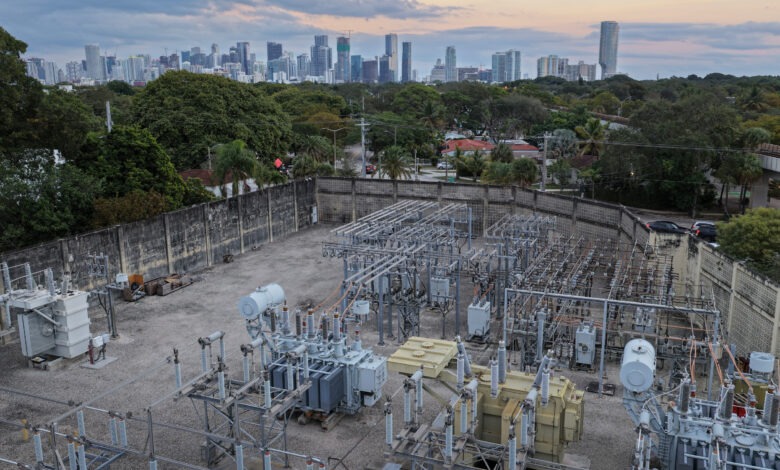
A recall petition against city leaders in Fort Meade, Florida, might look like small-town politics. It isn’t. It’s the latest flashpoint in a national collision between the hyperscale data center investment cycle and the communities absorbing its costs.
The Local Flashpoint Driving a National Pattern
According to reporting from Spectrum Bay News 9, a recall committee in Fort Meade has submitted petitions to remove city commissioners after the panel approved plans for a proposed hyperscale data center. The report describes the vote as the driving force behind the campaign, a detail that matters far beyond one city commission. Municipal approvals of this kind have become the tripwire for a wave of local resistance movements stretching across the Sun Belt and beyond.
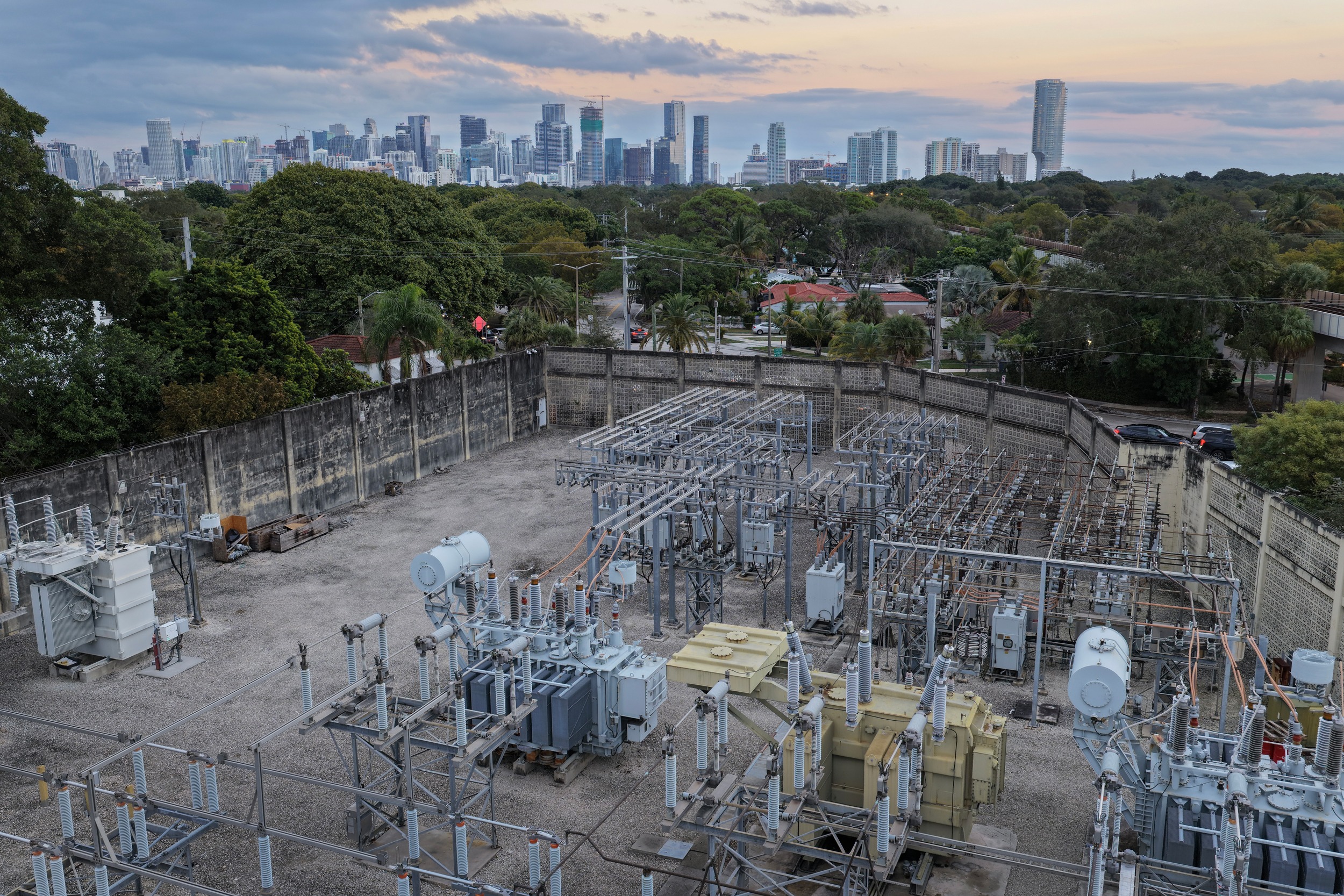
This is not an isolated case. As we covered in our recent analysis of Meta’s data center contractor contaminating Cheyenne’s water supply, the physical footprint of AI infrastructure, land, water, and power, is generating friction that capital markets have been slow to price in fully.
Key Data Points Behind the Friction
The available reporting is narrow but instructive: a single city commission vote approving a hyperscale facility triggered a formal recall effort against sitting officials. That is a governance risk signal, not noise. Hyperscale campuses typically require multi-hundred-megawatt power allocations, dedicated water cooling infrastructure, and long-term tax abatement negotiations, all of which concentrate visible local costs against diffuse, often opaque, economic benefits.
Utilities across the country are already flagging capacity constraints tied to this build-out. Our recent coverage of the heat wave straining U.S. power grids underscored how thin the operating margin has become for grid operators asked to absorb both extreme weather demand and new hyperscale load simultaneously.
Market Impact and Forward Outlook
For investors in data center REITs, utility equities, and AI infrastructure suppliers, the Fort Meade episode is a microcosm of a broader repricing risk: permitting delay. Recall efforts, zoning challenges, and utility rate disputes extend project timelines and raise the cost of capital deployed against multi-year capex commitments. Hyperscalers have been racing to lock in sites; local political risk is emerging as the counterweight nobody fully modeled into that race.
What this signals is a maturing phase of the AI infrastructure cycle. The easy sites, those with excess grid capacity and minimal community pushback, are increasingly scarce. Developers are now moving into jurisdictions where approval is contested after the fact, not before. That raises execution risk for the sector’s biggest names and could widen the spread between projected and realized delivery timelines for new capacity.
Risks and Diverging Signals
Not every local dispute derails a project. Many recall efforts fail, and municipal governments frequently reaffirm prior approvals once litigation and petition drives run their course. But the pattern itself, recurring across multiple states, is the signal worth tracking, not any single outcome.
Watch upcoming municipal votes, state-level utility rate filings tied to large-load interconnection requests, and hyperscaler capex guidance in coming earnings calls. Any material slippage in announced data center delivery dates tied to community or regulatory pushback would be a meaningful tell for the sector’s growth trajectory.
Frequently Asked Questions about the hyperscale data center backlash
What is a hyperscale data center?
A hyperscale data center is a massive computing facility, typically operated by or for cloud and AI companies, requiring hundreds of megawatts of power and large-scale water cooling infrastructure. These facilities support cloud computing, AI model training, and enterprise data services at a scale far beyond conventional data centers.
Why are local communities pushing back against these projects?
Communities are raising concerns over strained power grids, water usage, tax abatement terms, and limited local job creation relative to the scale of investment. In Fort Meade, Florida, a city commission’s approval of a hyperscale facility became the catalyst for a formal recall campaign against local leaders.
What does this mean for data center investors?
Rising local political and regulatory friction increases permitting timelines and execution risk for hyperscale projects. Investors in data center REITs and AI infrastructure suppliers should monitor site-level opposition as a factor that can delay revenue-generating capacity coming online.
Is this an isolated incident?
No. Similar tensions have surfaced around data center projects tied to water contamination issues and power grid strain in other regions, including Cheyenne, Wyoming, suggesting a broader pattern rather than a one-off local dispute.
What should investors watch next?
Key indicators include upcoming municipal votes on data center approvals, state utility filings for large-load grid interconnections, and hyperscaler capital expenditure guidance in upcoming earnings reports, particularly any commentary on project delays.
Stay ahead of the markets. Every day, The Finance Brief delivers expert financial analysis on the trends and decisions shaping the North American and global economy, in under 5 minutes.
