A contractor working on Meta’s data center campus in Cheyenne, Wyoming has contaminated the city’s reclaimed water reuse system with a rare, metal-resistant bacterium, forcing the Cheyenne Board of Public Utilities to suspend all industrial wastewater discharges from data center fill-and-flush and closed-loop cooling operations. The system has been taken offline for months of cleaning. For investors tracking the surging capital expenditure wave in AI infrastructure, this incident is a material signal of the hidden operational and regulatory risks embedded in hyperscaler buildouts.
The Hidden Cost of the AI Infrastructure Buildout
Meta, Alphabet, Microsoft, and Amazon have collectively committed hundreds of billions of dollars to data center expansion through 2026 and beyond. Wall Street has largely priced these investments as straightforward capacity additions, with limited attention to the complex environmental and municipal dependencies they create. Data centers are extraordinarily water-intensive facilities. Cooling systems require massive volumes of water for fill-and-flush operations, and the chemical and biological composition of discharged wastewater carries real contamination risk when it enters municipal treatment infrastructure.
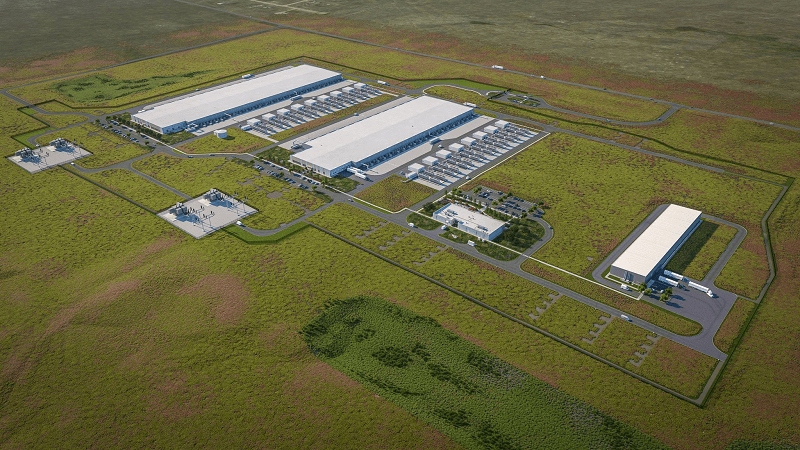
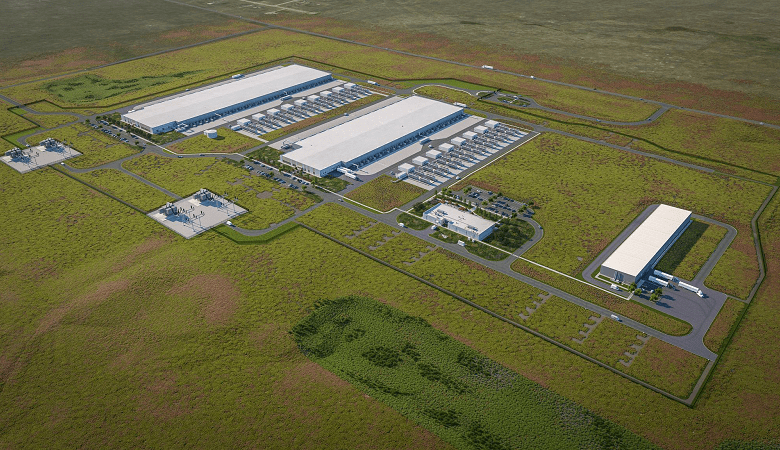
The Cheyenne incident tears that assumption apart. According to reporting from WyomingNews.com and Tom’s Hardware, the Cheyenne Board of Public Utilities traced the contamination to Goat Systems LLC, a contractor operating on Meta’s in-progress data center campus in the High Plains area of Cheyenne. The purge of a closed-loop cooling system spread a rare, metal-resistant bacterium into the city’s reclaimed water reuse supply. The reuse system has been offline for months as a result, and the BOPU has now formally suspended data center fill-and-flush and closed-loop discharge operations across the board.
Regulatory and Reputational Exposure for Meta
Goat Systems LLC has received a formal violation notice from the BOPU. The liability chain here matters: while the direct regulatory action targets the contractor, Meta’s reputational exposure as the project owner is significant. Municipal utilities and state regulators in water-stressed western states are watching closely. Wyoming is not California or Arizona in terms of water scarcity pressure, but the incident arrives as western water rights and municipal supply resilience have become active political and regulatory flashpoints.



The financial implications extend beyond Cheyenne. Meta’s broader data center pipeline spans multiple water-constrained regions. Any pattern of contamination incidents, or a tightening of municipal discharge permits in response to this episode, could translate into higher compliance costs, construction delays, and increased scrutiny from local governments that are already negotiating hard over the terms under which hyperscalers access public infrastructure. As we outlined in our recent analysis of the BIS warning on the $1 trillion AI investment boom, the infrastructure buildout carries systemic risks that markets have been slow to price.
Operational Delays and the Broader Supply Chain Signal
The suspension of wastewater discharge operations in Cheyenne creates an immediate operational constraint for Meta’s campus development timeline. Fill-and-flush operations are a standard commissioning step for new data center cooling infrastructure. With the BOPU refusing to accept that wastewater, Meta and its contractors face either a delay in commissioning new cooling systems or the cost of alternative wastewater disposal arrangements, neither of which is trivial at the scale of a hyperscaler campus.
- The Cheyenne reuse water system has been offline for months for decontamination, with no confirmed restart date reported.
- Goat Systems LLC has received a formal violation from the BOPU, according to Your Wyoming Link and WyomingNews.com.
- The BOPU has suspended all data center fill-and-flush and closed-loop cooling discharges, not just those from the Meta campus, creating a sector-wide operational constraint in the municipality.
- The bacterium involved is described as rare and metal-resistant, complicating the remediation timeline.
The broader supply chain implication is that data center contractors operating across the western United States face heightened scrutiny of their wastewater management practices. Municipalities that have welcomed hyperscaler investment for the tax base and employment it generates are now weighing those benefits against infrastructure risk. That calculus is shifting.
What Investors Should Watch
Meta has not issued a public statement on the Cheyenne contamination as of the time of reporting, and the financial materiality of this specific incident to Meta’s overall capital expenditure program is limited in isolation. The company’s data center spending runs into the tens of billions annually. However, the regulatory precedent being set in Cheyenne, and the potential for similar incidents at other sites, warrants attention from ESG-focused investors and infrastructure analysts tracking hyperscaler buildout risk. Watch for any formal regulatory escalation beyond the contractor-level violation, any statement from Meta on revised commissioning timelines for the Cheyenne campus, and whether other western municipalities begin tightening discharge permits in response to this episode.
Frequently Asked Questions about the Meta Cheyenne Water Contamination
What exactly happened to Cheyenne’s water system?
A contractor called Goat Systems LLC, working on Meta’s data center campus in Cheyenne, Wyoming, discharged wastewater from a closed-loop cooling system purge into the city’s reclaimed water reuse infrastructure. The discharge introduced a rare, metal-resistant bacterium into the reuse system, forcing it offline for months of decontamination. The Cheyenne Board of Public Utilities has since suspended all data center fill-and-flush and closed-loop cooling discharges in the municipality.
Is this a risk to Cheyenne’s drinking water supply?
Reporting from Tom’s Hardware and WyomingNews.com specifies that the contamination affected Cheyenne’s reclaimed water reuse system, not the primary drinking water supply. Reclaimed water is typically used for industrial and irrigation purposes. The BOPU has not indicated that the city’s potable water supply was compromised, though the reuse system remains offline pending full remediation.
What is the financial exposure for Meta from this incident?
The direct financial exposure to Meta from this specific incident appears limited relative to the company’s scale of capital expenditure. The formal violation was issued to Goat Systems LLC, the contractor, not Meta directly. However, the incident creates reputational risk, potential construction and commissioning delays at the Cheyenne campus, and increased regulatory scrutiny of Meta’s water management practices across its broader data center portfolio in water-sensitive regions.
Why does water usage matter so much for data centers?
Modern data centers, particularly those running high-density AI workloads, generate enormous amounts of heat that must be dissipated through cooling systems. Many of these systems are water-cooled and require periodic fill-and-flush operations that produce large volumes of industrial wastewater. As AI infrastructure investment has accelerated, the water consumption and wastewater discharge volumes associated with hyperscaler campuses have become a material environmental and municipal planning issue, particularly in the water-constrained western United States.
What should investors monitor going forward?
Key signals to watch include any formal regulatory escalation beyond the contractor-level violation in Cheyenne, Meta’s disclosure of revised commissioning timelines for its Wyoming campus, and whether other western municipalities respond by tightening industrial wastewater discharge permits for data centers. A pattern of similar incidents across the sector would represent a meaningful increase in compliance costs and construction risk for hyperscalers, with implications for capital expenditure efficiency and project timelines.
Stay ahead of the markets. Every day, LeGrebe delivers expert financial analysis on the trends and decisions shaping the North American and global economy , in under 5 minutes.