
The median U.S. home-sale price pushed to an all-time high of $408,776 in June, up 2.2% year over year, even as existing-home sales climbed to their strongest pace in months. That combination, rising prices alongside rising volume, is not what a cooling housing market is supposed to look like, and it is forcing a re-examination of how resilient this cycle really is.
A Housing Market That Refuses to Soften
For three years, the consensus narrative held that elevated mortgage rates would eventually crack affordability and drag prices lower. That thesis keeps failing to materialize at the national level. June’s data shows buyers absorbing record prices while transaction volume actually improved, a signal that demand destruction from higher borrowing costs has been far less severe than many forecasters assumed heading into 2026.
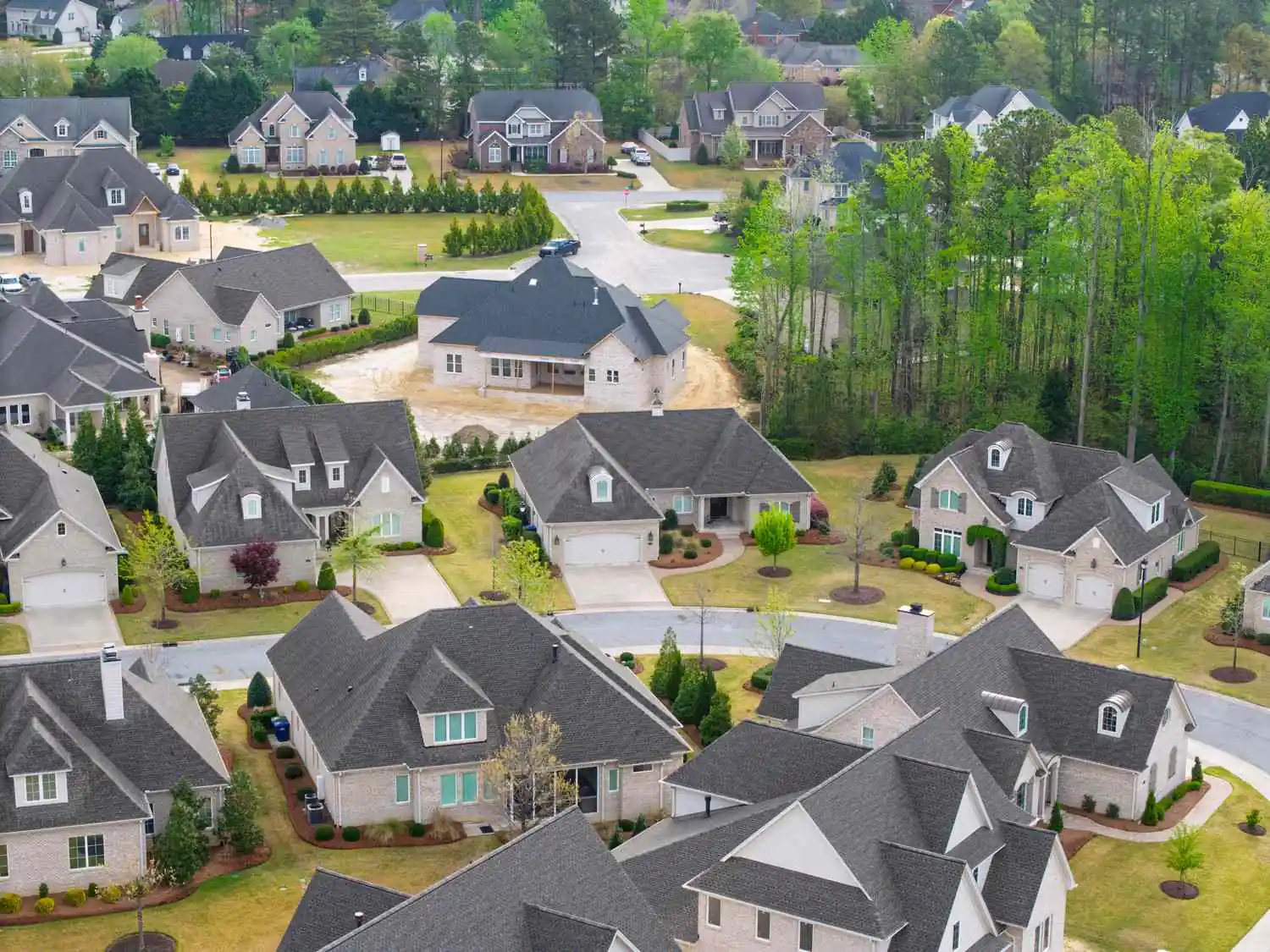
What’s driving the resilience is structural, not cyclical. Supply remains chronically thin in most metro areas, and homeowners locked into sub-4% mortgages from the 2020-2021 refinancing wave have little incentive to list. As we detailed in our recent analysis of 40 years of Freddie Mac price data, several U.S. metros are now showing genuinely parabolic appreciation patterns that echo prior overheating episodes, not gradual, sustainable growth.
Key Data & Facts
- National median home-sale price: $408,776 in June, a record high, up 2.2% year over year.
- Existing-home sales reached their highest level in several months, defying expectations of a rate-driven slowdown.
- Regional data show fastest-growing home prices concentrated in specific pockets of Colorado, California, and Missouri, rather than broad-based national acceleration.
- Maine reported both rising statewide sale prices and rising sales volume this spring, a pattern consistent with buyers re-entering markets after a period of hesitation.
- Los Angeles remains a focal point for affordability concerns, with local reporting questioning whether 2026 price gains are sustainable given the metro’s already stretched valuations.
Market Impact & Forward Outlook
For the Federal Reserve, this is an uncomfortable data point. Shelter costs remain the stickiest component of core inflation, and a housing market that reaccelerates rather than cools complicates the case for near-term rate cuts. Markets had been pricing in a gradual easing path premised partly on softening housing demand; June’s numbers push back against that assumption.



For prospective buyers, the math is getting harder, not easier. Record prices paired with mortgage rates still well above pandemic-era lows mean monthly payment burdens are near cycle highs in many markets, even where nominal price growth looks moderate. This dynamic is already reshaping the market along wealth lines. As we noted in our coverage of the luxury housing surge amid mainstream stagnation, high-end buyers with cash or substantial equity are largely insulated from rate sensitivity, while first-time and move-up buyers are increasingly priced out.
Homebuilders stand to benefit from constrained resale inventory, and regional banks with concentrated mortgage exposure will be watching delinquency trends closely as payment burdens rise. Real estate investment trusts tied to single-family rentals could also see renewed interest as homeownership affordability deteriorates further.
Risks & Diverging Signals
The bullish price data masks real fragility beneath the surface. Sales volume, while improved, remains historically low relative to pre-pandemic norms, meaning the market is thin and prone to sharp repricing if buyer sentiment shifts. A meaningful uptick in unemployment or a renewed spike in mortgage rates could expose how much of this price strength depends on a narrow band of motivated, well-capitalized buyers rather than broad market depth.
Watch the next Federal Reserve meeting minutes for any explicit reference to shelter inflation persistence, along with July existing-home sales data and mortgage rate movements, all of which will determine whether June’s record represents a durable trend or a seasonal peak before autumn softening.