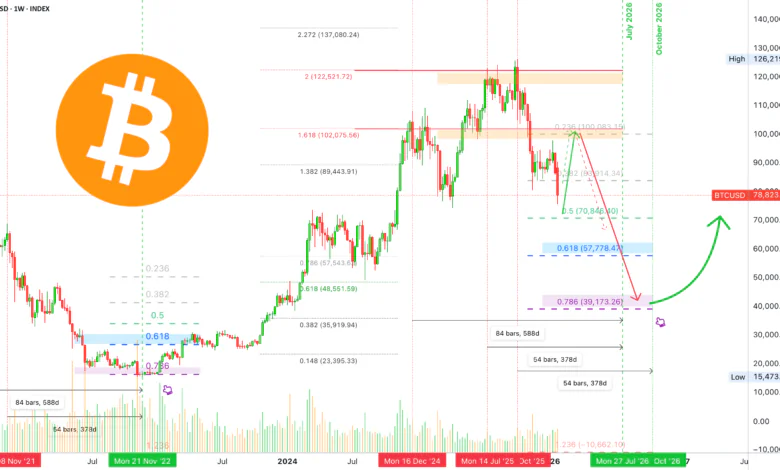
Bitcoin’s rebound above $63,000 is looking increasingly fragile. A confluence of macro headwinds, a surprise $216 million liquidation by one of the cryptocurrency’s most prominent institutional holders, and rising pressure from Japanese interest rate expectations have combined to cast serious doubt on whether this recovery represents a genuine trend reversal or simply a short-term relief rally.
A Macro Lift That May Not Hold
Bitcoin caught a bid last week after weaker-than-expected U.S. jobs data shifted market expectations toward Federal Reserve rate cuts, lifting risk assets broadly. The cryptocurrency climbed back above $63,000, a level that had acted as resistance through much of the recent consolidation phase. But analysts are already flagging the move as technically unconvincing. According to reporting from the Bitcoin Foundation, the rebound looks more like relief than the opening leg of a sustained recovery, with momentum indicators failing to confirm the price action.
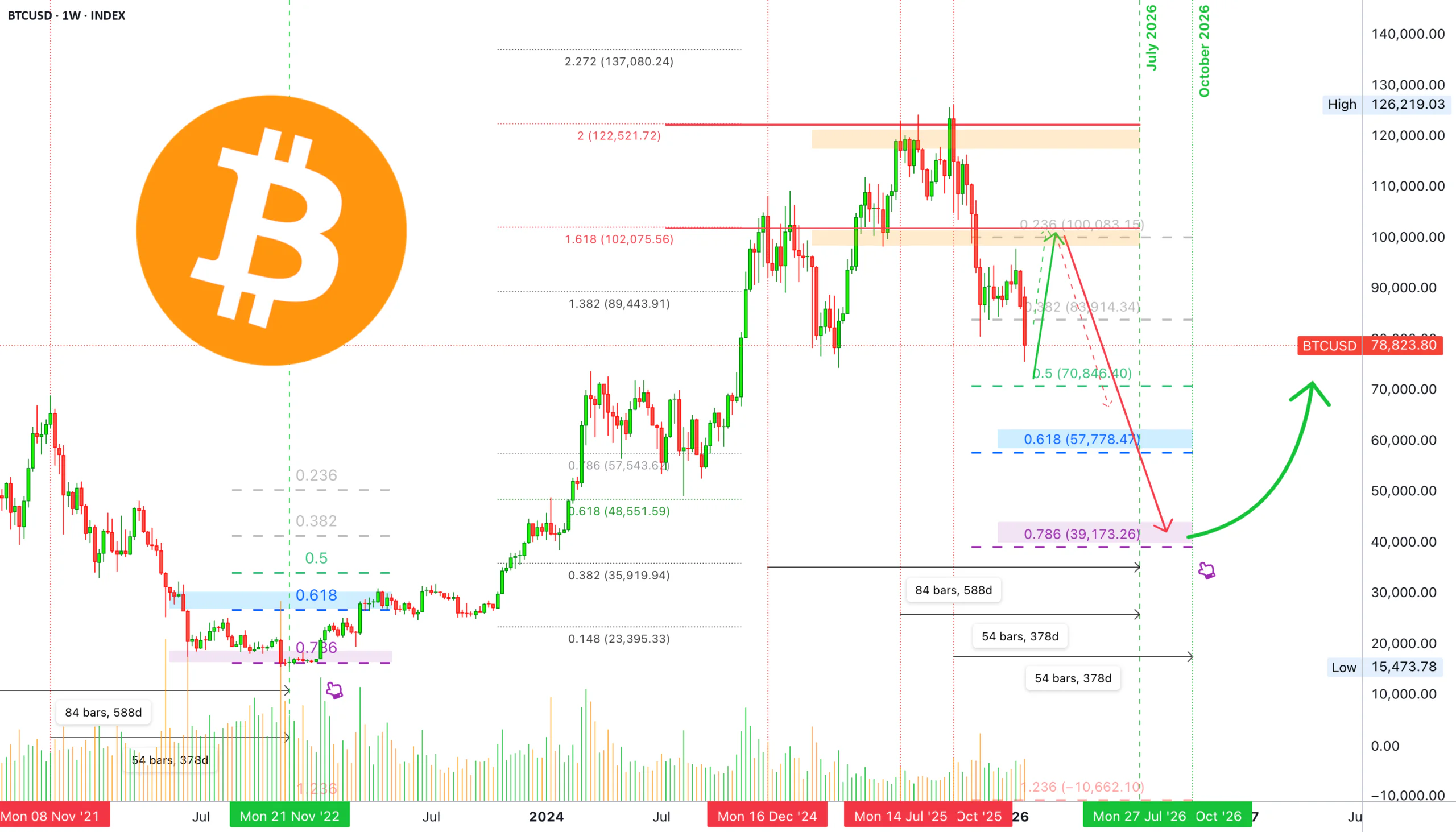
The macro backdrop that gave Bitcoin its initial lift is itself under pressure. As CoinDesk reports, rising Japanese government bond yields are emerging as a countervailing force. When Japanese rates rise, the yen carry trade, a mechanism through which investors borrow cheaply in yen to fund positions in higher-yielding or higher-risk assets globally, faces unwinding pressure. That dynamic has historically acted as a drain on liquidity across crypto and equity markets alike. With the Bank of Japan maintaining its gradual policy normalization path, this headwind is unlikely to dissipate quickly.
As we outlined in our recent analysis of the Dow’s record high following the June jobs report miss, the weaker labor market data has been a double-edged sword for risk assets: it fuels rate-cut optimism but also raises questions about the underlying health of the U.S. economy. Bitcoin, increasingly correlated with broad risk sentiment, is caught in that same tension.


Strategy’s $216 Million Sale Sends a Jarring Signal
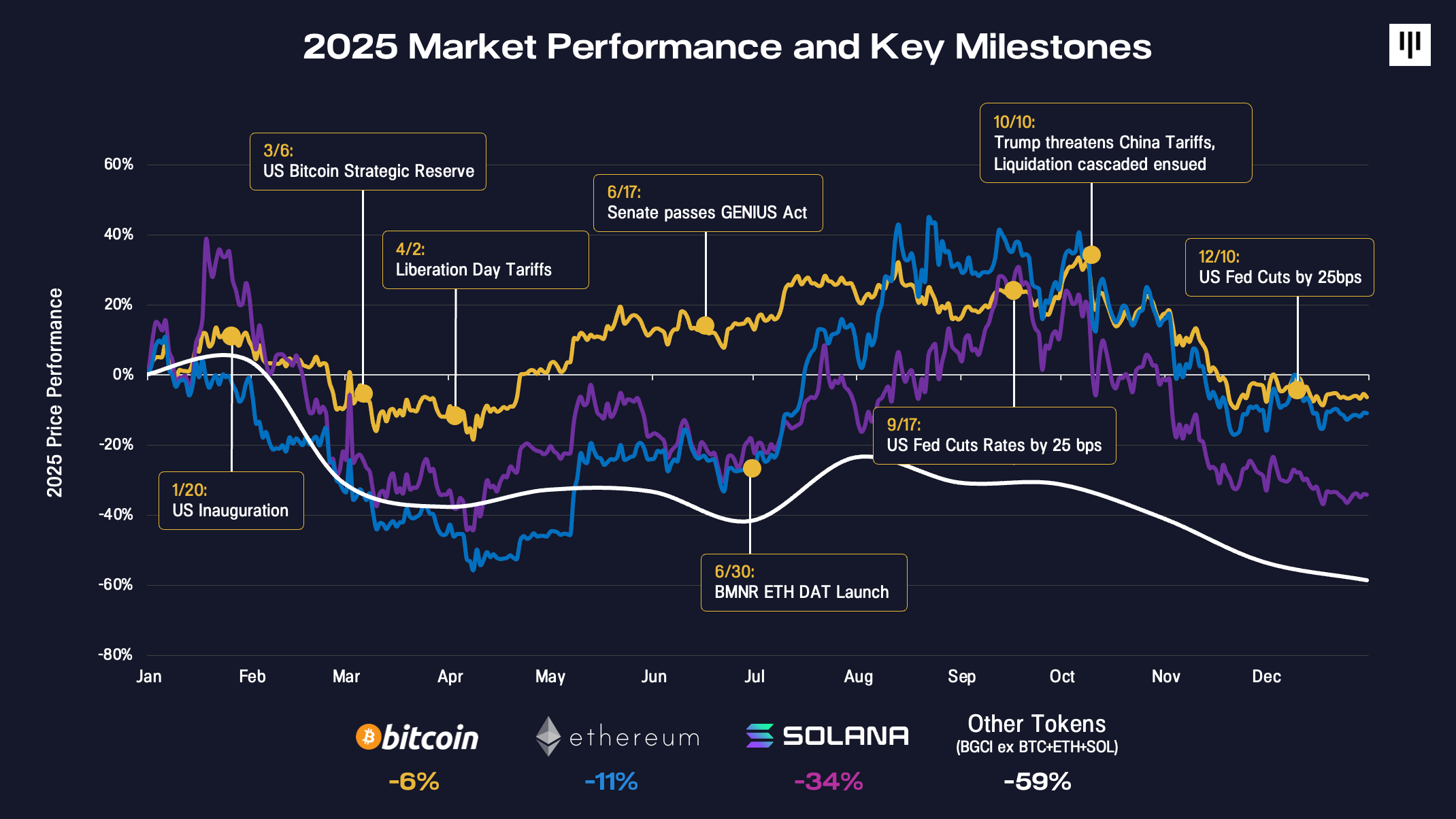
The more immediate shock came from Strategy, formerly MicroStrategy, the business intelligence firm that has become synonymous with institutional Bitcoin accumulation. According to Investor’s Business Daily, Strategy revealed last week that it sold $216 million worth of Bitcoin to fund preferred stock obligations. The disclosure hit the market like an air pocket, interrupting the price recovery and raising pointed questions about the sustainability of the institutional buying thesis that has underpinned Bitcoin’s bull narrative since 2020.
Strategy’s selling is not a sign of a broader institutional exodus, but the optics matter. The firm built its brand around relentless Bitcoin accumulation, and any reversal of that posture, even one driven by balance sheet mechanics rather than a change in conviction, recalibrates the market’s perception of institutional demand. Crypto markets are highly sensitive to narrative, and this development chips away at one of the most powerful ones supporting the asset class.
Price Levels, Market Structure, and What Comes Next
Bitcoin was trading around $63,284 at the time of reporting, according to CoinDesk’s live pricing data. The $63,000 level has become a focal point: a sustained hold above it would encourage technical buyers, while a failure to build on the current range risks a retest of lower support zones.
- Key resistance: The $65,000 to $67,000 band remains the next meaningful technical hurdle for bulls to reclaim.
- Downside risk: A break below $60,000 would likely accelerate selling pressure and invalidate the recovery thesis for near-term traders.
- Macro catalysts to watch: Federal Reserve communications, further U.S. labor market data, and Bank of Japan policy signals will drive the next directional move.
- Institutional flow: Any additional disclosure of selling by major corporate holders would weigh disproportionately on sentiment.
The broader crypto market remains in a state of cautious positioning. The relief rally narrative, driven by a single weak jobs print, does not yet have the fundamental or technical legs to sustain a move toward the $70,000 range without a meaningful shift in the macro environment. The underlying risk here is that Bitcoin’s correlation with global liquidity conditions means it remains vulnerable to any tightening signal, whether from the Fed, the Bank of Japan, or a reversal in risk appetite across equity markets.
Investors and traders should keep close watch on U.S. CPI data due later this month, any further Strategy filings, and Bank of Japan commentary. Those three inputs, more than any on-chain metric, are likely to determine whether $63,000 becomes a floor or a ceiling.
Frequently Asked Questions about Bitcoin’s Price Stall Near $63,000
Why did Bitcoin rebound above $63,000 recently?
Bitcoin received a macro boost from weaker-than-expected U.S. jobs data, which shifted market expectations toward Federal Reserve interest rate cuts. Lower rate expectations tend to support risk assets, including cryptocurrencies, by reducing the opportunity cost of holding non-yielding assets. However, analysts caution the move looks more like a relief rally than the start of a sustained uptrend.
Why did Strategy sell $216 million worth of Bitcoin?
Strategy, formerly known as MicroStrategy, sold approximately $216 million in Bitcoin to fund obligations related to its preferred stock program, according to Investor’s Business Daily. The sale appears to be driven by balance sheet management rather than a change in the firm’s long-term Bitcoin conviction. Nonetheless, the disclosure rattled markets because Strategy had built its identity around being a consistent, aggressive Bitcoin accumulator.
How do Japanese interest rates affect Bitcoin’s price?
Rising Japanese government bond yields put pressure on the yen carry trade, a strategy where investors borrow cheaply in yen to fund positions in higher-risk assets globally, including crypto. When Japanese rates rise, this trade becomes less attractive and can unwind, draining liquidity from risk assets like Bitcoin. The Bank of Japan’s ongoing policy normalization is therefore a meaningful headwind for the cryptocurrency.
What price levels should Bitcoin investors watch right now?
The $63,000 level is the immediate pivot point. A sustained hold above it would encourage technical buyers, while a break below $60,000 could trigger accelerated selling. On the upside, the $65,000 to $67,000 range represents the next significant resistance zone that bulls would need to reclaim to build conviction in a recovery narrative.
What are the key upcoming catalysts for Bitcoin’s direction?
Three macro inputs stand out: U.S. Consumer Price Index data due later this month, which will shape Fed rate-cut expectations; any further Bitcoin selling disclosures from major corporate holders like Strategy; and Bank of Japan policy signals, which will determine whether yen carry trade pressure intensifies. On-chain data and crypto-specific flows will matter at the margin, but macro forces are currently the dominant driver.
Stay ahead of the markets. Every day, LeGrebe delivers expert financial analysis on the trends and decisions shaping the North American and global economy , in under 5 minutes.
