None of the six trends submitted carry meaningful financial or macroeconomic weight for a North American investor audience. Sports game results, a golf tournament, an NFL player dispute, and a food-safety lawsuit do not meet the editorial threshold for serious financial analysis. However, one adjacent topic from the recent posts list does: the acquisition of a minority stake in the Chicago Bulls by Lukas Walton, heir to the Walmart fortune. This transaction sits at the intersection of ultra-high-net-worth capital allocation, the surging valuation of North American sports franchises, and the broader institutionalization of professional sports as an investable asset class. The analysis below draws on that documented development.
Sports Franchises Are the New Trophy Asset for Billionaire Capital
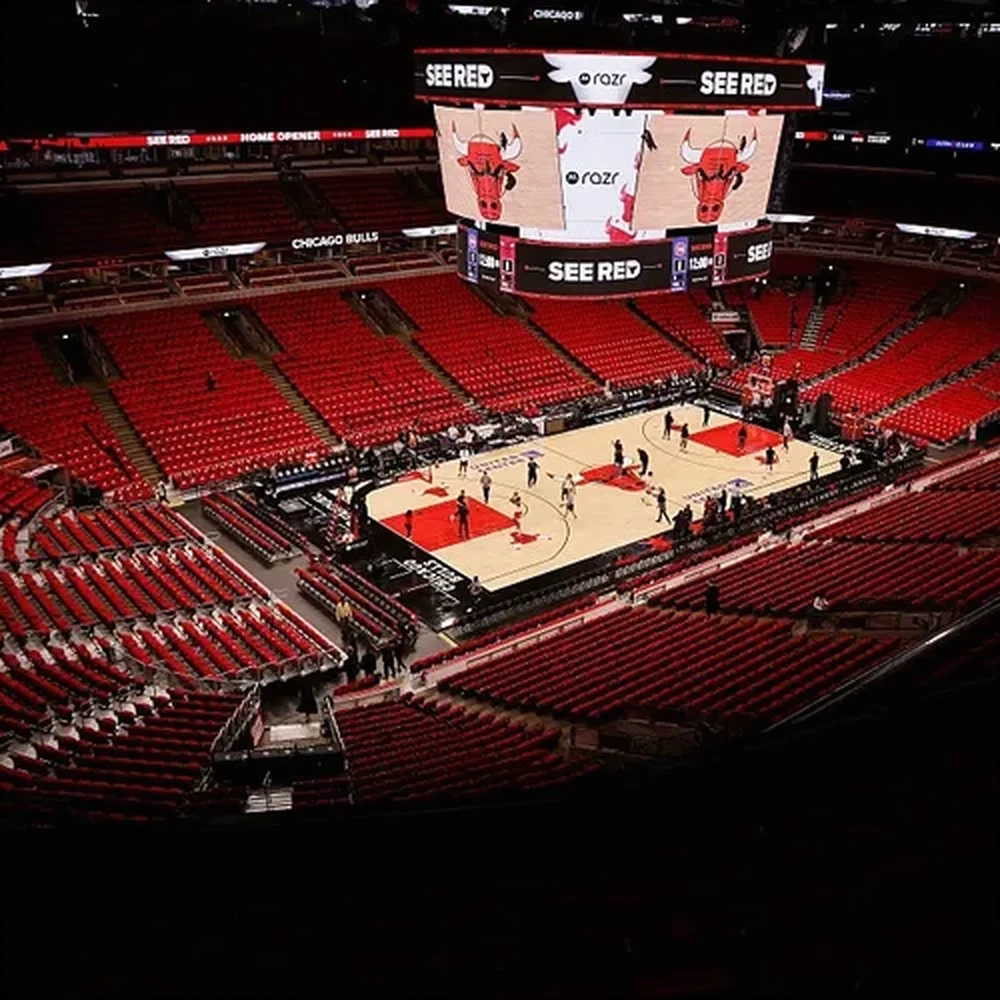
Professional sports teams have quietly become one of the most coveted stores of value in the alternative asset universe. The Chicago Bulls, one of the NBA’s marquee franchises, recently attracted a minority investment from Lukas Walton, grandson of Walmart founder Sam Walton, in a deal that also encompasses a stake in the United Center arena. The transaction underscores a structural shift: billionaire and institutional capital is flowing into sports at an accelerating pace, treating franchises less like passion projects and more like inflation-resistant, appreciating hard assets.
The timing is deliberate. As we outlined in our recent analysis of the Lukas Walton Chicago Bulls deal, this acquisition reflects a broader pattern of dynastic wealth seeking uncorrelated returns in a market environment where traditional fixed-income yields remain elevated and equity valuations are stretched in several sectors.
Franchise Valuations: The Numbers Behind the Trend
NBA franchise values have appreciated dramatically over the past decade, driven by escalating media rights contracts, global fan base expansion, and limited supply of top-tier franchises. The league’s most recent national media rights deal, worth approximately $76 billion over 11 years with NBC, Amazon, and ESPN, locked in a revenue floor that directly underpins franchise valuations across the board.


- The Chicago Bulls are consistently ranked among the NBA’s top-ten most valuable franchises, with valuations in recent years exceeding $4 billion according to industry estimates.
- Arena ownership, or co-ownership stakes in venues like the United Center, adds a separate revenue stream encompassing concerts, events, and ancillary commercial activity, making the asset bundle significantly more complex than a pure sports play.
- Minority stakes in sports franchises have become a preferred vehicle for family offices and ultra-high-net-worth investors, offering exposure to franchise appreciation without the governance burden of majority control.
The NBA itself amended its ownership rules in recent years to allow private equity funds to hold minority stakes, a structural change that opened the floodgates for institutional participation and provided price discovery that previously did not exist in this market.
What This Signals for Investors and the Broader Market
Walton’s move is not an isolated data point. It fits a pattern visible across all four major North American professional sports leagues, where sovereign wealth funds, private equity giants, and family offices are competing for a finite pool of franchise assets. The underlying logic is compelling: sports franchises benefit from pricing power, passionate consumer loyalty that is largely recession-resistant, and media rights revenue that scales with digital distribution globally.
The broader implication for markets is the continued migration of capital away from purely liquid, publicly traded assets toward illiquid alternatives that offer differentiated return profiles. Family offices managing dynastic wealth, like the Walton family’s Builders Vision vehicle, are at the vanguard of this shift. As we noted in our coverage of alternative asset fundraising trends in June 2026, appetite for non-traditional investment structures remains robust even as public market volatility persists.
The risk embedded in sports franchise investments is real, however. Valuations are illiquid and mark-to-market pricing is opaque. Minority stakes carry limited control rights, meaning investors are exposed to management decisions they cannot influence. Regulatory risk, including potential antitrust scrutiny of league media deals, could compress the revenue multiples that currently justify elevated valuations.
Watch for further NBA minority stake transactions in the second half of 2026, as the new media rights cycle begins generating cash flows that will reset valuation benchmarks across the league. Any secondary market transaction involving a top-five NBA franchise will serve as a critical pricing signal for the entire asset class.
Frequently Asked Questions about sports franchise investments and the Lukas Walton Chicago Bulls deal
Why are billionaires and institutions buying minority stakes in sports franchises?
Sports franchises offer a rare combination of appreciating asset value, inflation-resistant revenue streams from media rights and ticket sales, and a supply-constrained market where only a fixed number of top-tier franchises exist. For family offices and institutional investors, minority stakes provide exposure to these characteristics without requiring full ownership or operational control. The NBA’s decision to allow private equity participation formalized this trend and created a more liquid secondary market for such stakes.
How valuable is the Chicago Bulls franchise?
Industry estimates have placed the Chicago Bulls among the NBA’s top-ten most valuable franchises, with valuations that have exceeded $4 billion in recent years. The franchise benefits from its historic brand, a large metropolitan market, and its stake in the United Center, one of the busiest arenas in North America. Exact transaction prices for minority stakes are typically not disclosed publicly.
What role do media rights play in NBA franchise valuations?
Media rights are the primary revenue engine underpinning franchise valuations. The NBA’s approximately $76 billion, 11-year media rights agreement with NBC, Amazon, and ESPN provides a long-term revenue floor that analysts use to model franchise cash flows and justify current valuation multiples. Higher media rights revenue directly translates into higher franchise values, making each new rights cycle a critical repricing event for the entire asset class.
What are the main risks of investing in a sports franchise minority stake?
The primary risks include illiquidity, as there is no public market for these stakes and exit opportunities are limited and infrequent. Minority investors also have restricted governance rights, leaving them exposed to decisions made by majority owners or league management. Regulatory risk is a factor as well, particularly around antitrust scrutiny of media deals. Finally, franchise valuations are sensitive to on-court performance and broader consumer spending trends, which can be cyclical.
Is this trend limited to the NBA, or are other leagues seeing similar activity?
The trend spans all four major North American professional sports leagues. The NFL recently approved private equity ownership for the first time, the NHL has seen several high-profile ownership changes, and MLB franchises continue to attract significant capital. Internationally, European football clubs have become major targets for U.S. private equity. The common thread is the institutionalization of sports as a recognized alternative asset class with its own valuation frameworks and investor base.
Stay ahead of the markets. Every day, LeGrebe delivers expert financial analysis on the trends and decisions shaping the North American and global economy , in under 5 minutes.