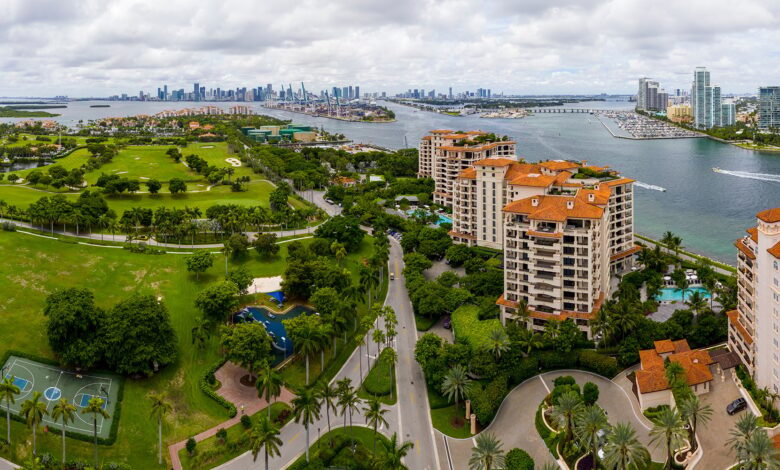
The American housing market is fracturing along wealth lines. Luxury home sales are accelerating even as the broader residential market loses momentum, with prices climbing fastest in Tampa and Miami, according to data from Redfin and Realtor.com. The bifurcation is sharpening into one of the clearest structural stories in real estate this year.
A Tale of Two Markets: What Is Driving the Divergence
The mainstream housing market has been grinding lower under the weight of sustained mortgage rate pressure. In Southwest Michigan, residential sales volume remained below year-ago levels through May 2026, with median prices still down on a year-to-date basis, according to local market tallies. Colorado’s Western Slope is telling a similar story: more inventory has accumulated heading into summer, giving buyers options they simply did not have in prior years, even as broader economic uncertainty tempers demand.
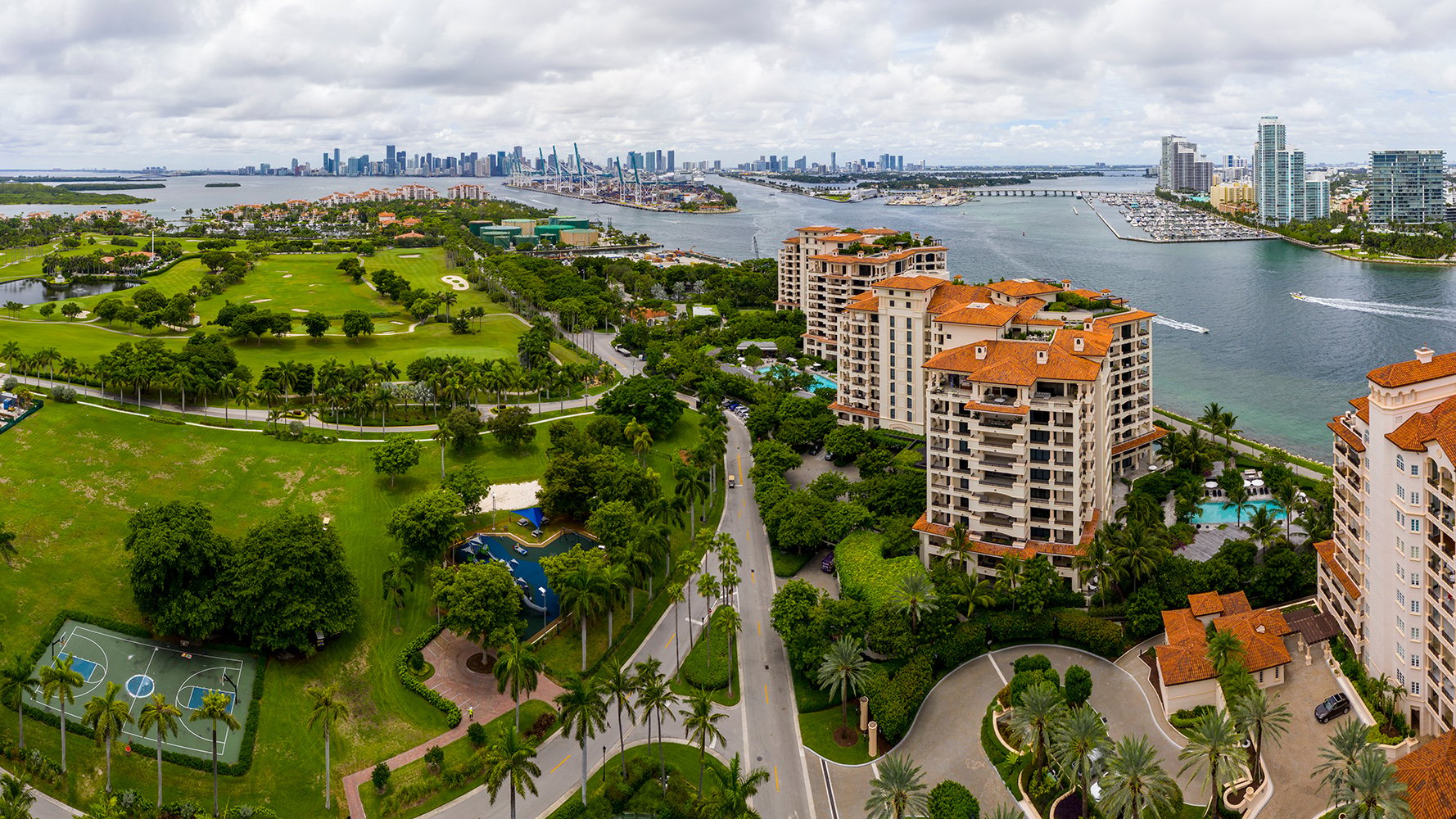
The luxury segment is operating in an entirely different register. High-end buyers, typically less sensitive to mortgage rate fluctuations because they carry larger cash positions or access jumbo financing, are absorbing inventory at a pace that insulates premium-tier properties from the slowdown affecting mid-market and entry-level homes. Redfin and Realtor.com data specifically flag Tampa and Miami as the markets where luxury price appreciation is running hottest.
This dynamic is not unique to the United States. Reuters reported this week that Spain and Portugal are now stepping up regulatory scrutiny of their soaring property markets, with supervisors identifying early signs of overheating. While intervention is not considered imminent, the fact that European financial regulators are actively monitoring the situation signals that the luxury and premium property surge has taken on a cross-Atlantic dimension, fueled in part by foreign capital flows and high-net-worth demand for hard assets.
The Data Points Investors Need to Watch
- Tampa and Miami: Identified by Redfin and Realtor.com as the fastest-appreciating luxury markets in the current cycle.
- Southwest Michigan: Housing sales pace picked up in May 2026 but remained negative year-to-date, with median prices still declining on an annual basis.
- Colorado Western Slope: Inventory levels entering summer 2026 are higher than in prior years, a structural shift that favors buyers in that sub-market.
- Spain and Portugal: Regulatory scrutiny intensifying, with Reuters reporting early overheating signals, though supervisors are not expected to intervene immediately.
The underlying risk here is a market that appears stable in aggregate but is masking significant stress at the median. Headline price indices that blend luxury and mainstream transactions can obscure the deterioration happening at the entry and mid-level tiers, where affordability constraints remain acute.
Market Implications and the Forward Outlook for Investors
For real estate investment trusts and residential property investors, the bifurcation creates a clear tactical signal: exposure to luxury coastal markets, particularly in Florida, continues to outperform, while broad residential exposure carries more downside risk than aggregate data suggests. Homebuilders with significant mid-market inventory face a more challenging pricing environment as the inventory overhang in markets like Colorado grows.
The Federal Reserve’s rate trajectory remains the single most consequential variable for the mainstream market. As we outlined in our recent analysis of the June jobs report and its implications for rate-cut expectations, a weaker labor market reading has already begun to shift Fed pricing, which could provide some relief to rate-sensitive housing demand in the second half of 2026. The question is whether that relief arrives quickly enough to prevent further deterioration in transaction volumes.
The luxury segment, meanwhile, faces a different set of risks. Concentrated appreciation in markets like Miami and Tampa raises the speculative premium embedded in those prices. If high-net-worth sentiment shifts, or if foreign capital flows to U.S. real estate moderate, the correction in those markets could be sharper than the gradual softening seen in mainstream segments.
Key indicators to monitor in the coming weeks include the next Redfin and National Association of Realtors transaction reports, any formal guidance from Spanish and Portuguese banking supervisors, and the trajectory of 30-year fixed mortgage rates following the next Federal Reserve communications cycle.
Frequently Asked Questions about the U.S. Housing Market Bifurcation
Why are luxury home sales rising while the broader housing market slows?
Luxury buyers are largely insulated from mortgage rate pressure because they tend to rely more heavily on cash purchases or jumbo financing with different rate dynamics than conventional mortgages. High-net-worth demand for real assets has remained resilient in 2026, while entry-level and mid-market buyers continue to face serious affordability constraints driven by elevated borrowing costs.
Which U.S. cities are seeing the fastest luxury price growth right now?
According to data from Redfin and Realtor.com cited in recent reporting, Tampa and Miami are currently recording the fastest luxury home price appreciation in the United States. Both markets have benefited from sustained migration inflows and strong demand from domestic and international high-net-worth buyers.
What does rising inventory in markets like Colorado mean for buyers?
Higher inventory levels give buyers more negotiating leverage and more time to make decisions, a significant shift from the ultra-competitive conditions of recent years. In Colorado’s Western Slope, inventory entering summer 2026 is above prior-year levels, which typically puts downward pressure on price growth and can lead to longer days-on-market for sellers.
Why are Spain and Portugal drawing regulatory attention to their property markets?
Reuters reported this week that both countries are experiencing early signs of overheating in their property markets, prompting financial supervisors to increase scrutiny. A combination of foreign investment demand, constrained housing supply, and strong tourism-driven short-term rental activity has pushed prices sharply higher in major cities and coastal areas. Regulators are monitoring the situation but have not announced imminent intervention measures.
What is the biggest risk for U.S. housing markets in the second half of 2026?
The primary risk for mainstream housing is that mortgage rates remain elevated long enough to push transaction volumes further below year-ago levels, creating a feedback loop of declining affordability and reduced market liquidity. For the luxury segment, the key risk is a sudden shift in high-net-worth sentiment or a pullback in foreign capital flows, which could deflate the premium embedded in markets like Miami and Tampa more quickly than current conditions suggest.
Stay ahead of the markets. Every day, LeGrebe delivers expert financial analysis on the trends and decisions shaping the North American and global economy, in under 5 minutes.
