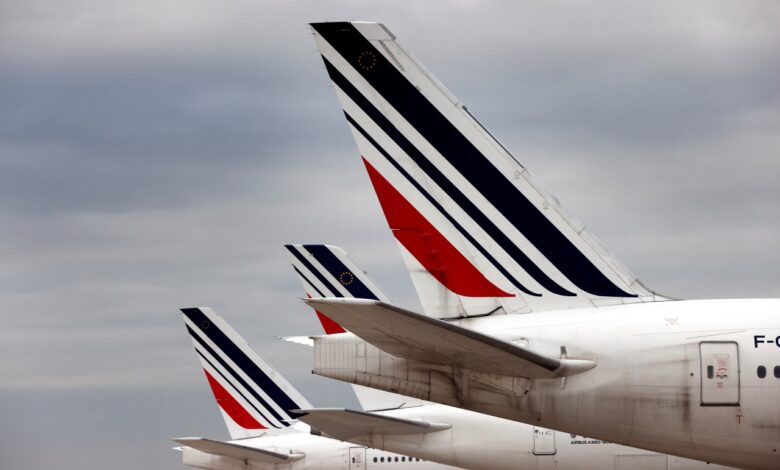
Shares of Air France-KLM slid 3.1% on Monday, and the trigger was as much about jet fuel economics as it was about a mid-Atlantic medical emergency. A KLM Boeing 787-10 forced to divert nearly 4,000 miles into its flight put a spotlight on the razor-thin margins carriers are operating under as fuel costs climb again.
A Routine Diversion, an Uneasy Market Reaction
Flight KL706, a Boeing 787-10 registered PH-BKC operating the Rio de Janeiro to Amsterdam route, diverted to Tenerife South Airport on Monday after a passenger suffered a suspected heart attack. The aircraft touched down safely, and the diversion added a 69-minute delay to the transatlantic crossing. Unscheduled diversions happen regularly across the industry and rarely move markets on their own. What made this one notable is the timing: it landed on a day when Air France-KLM shares were already under pressure from rising fuel prices, and the operational disruption became a fresh data point in a broader story about cost inflation hitting European carriers.
The Numbers Behind the Selloff
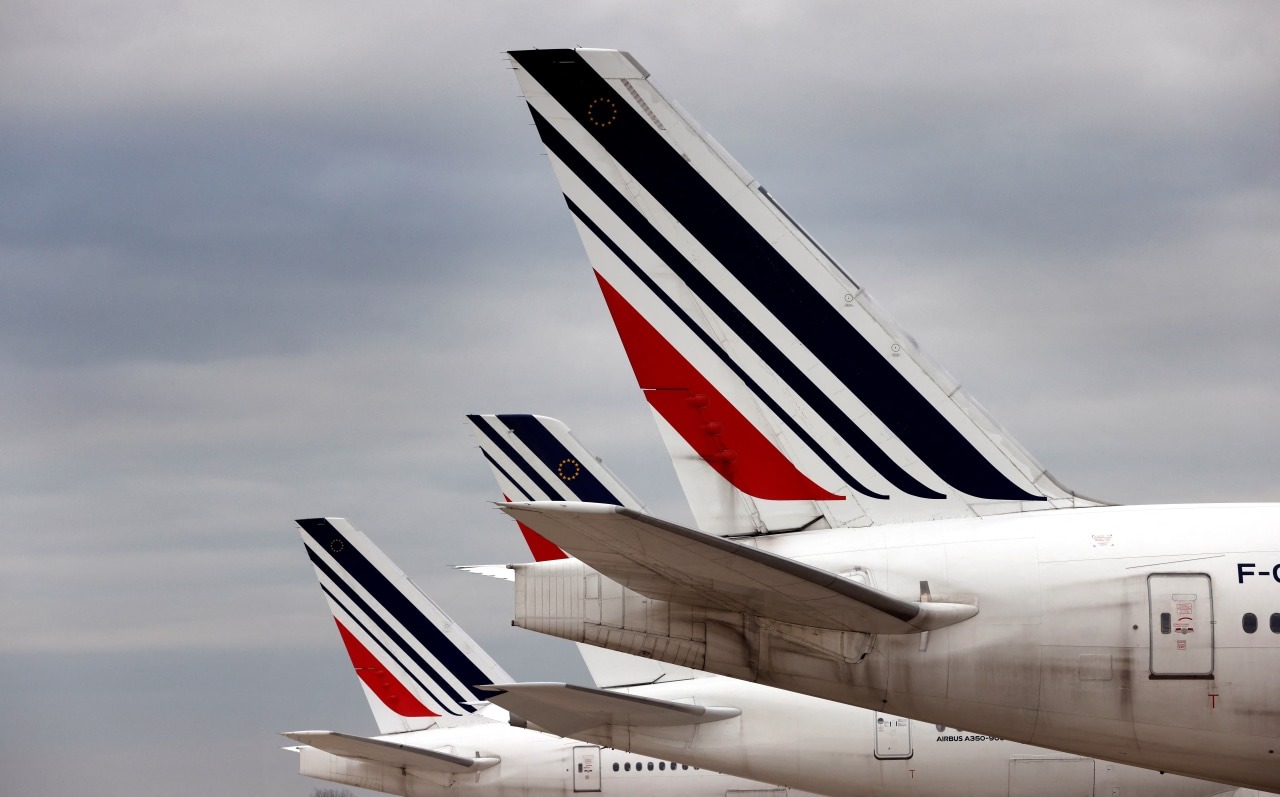
Air France-KLM (EPA:AF) closed the session down 3.1%, a sharp single-day move for a legacy carrier stock. The decline came as analysts flagged fuel price pressure as the primary drag on near-term margins. Jet fuel typically accounts for a large share of an airline’s operating costs, and any sustained rise in crude prices flows almost directly into flight economics, well before airlines can adjust ticket pricing or hedge exposure.
The KL706 diversion also drew attention to the ETOPS-330 rule, the extended-range twin-engine operations standard that permits long-haul aircraft like the 787 to fly routes that keep them within 330 minutes of a diversion airport, even over open ocean. That regulatory framework is precisely what allowed the aircraft to safely reach Tenerife rather than continue toward mainland Europe or turn back toward Brazil. It is a technical detail, but one that underscores how tightly airlines now plan route economics around both safety margins and fuel burn.


What This Means for Investors and the Sector
Markets appear to be pricing in a more difficult cost environment for European carriers heading into the back half of the year. As we outlined in our recent analysis of an overlooked fuel price surge threatening the broader economy, energy costs have been climbing in ways that extend well beyond headline gasoline prices, and aviation fuel is squarely in that path. Airlines with thinner balance sheets or less aggressive hedging programs are the most exposed.
There is also a geopolitical dimension worth watching. As detailed in our coverage of Aramco’s exploration of Red Sea routes to bypass Hormuz risk, crude markets are already pricing in a geopolitical risk premium tied to shipping and transit disruptions. For airlines, that risk premium translates directly into higher operating costs, and Monday’s 3.1% drop in Air France-KLM shares reads as an early signal that equity markets are recalibrating expectations for carrier profitability.
Risks and Diverging Signals
Not every analyst view aligns on the severity of the pressure. Some argue that fuel cost spikes tend to be transitory and that hedging positions built earlier in the year will cushion the blow through the third quarter. Others see the current move as the start of a sustained repricing of airline equities, particularly if crude prices continue climbing on geopolitical tension rather than demand-driven fundamentals.
Investors should watch upcoming quarterly guidance from major carriers, crude oil price action in the coming sessions, and any signals from OPEC+ or shipping routes that could either ease or intensify the fuel cost trajectory already weighing on airline stocks.
