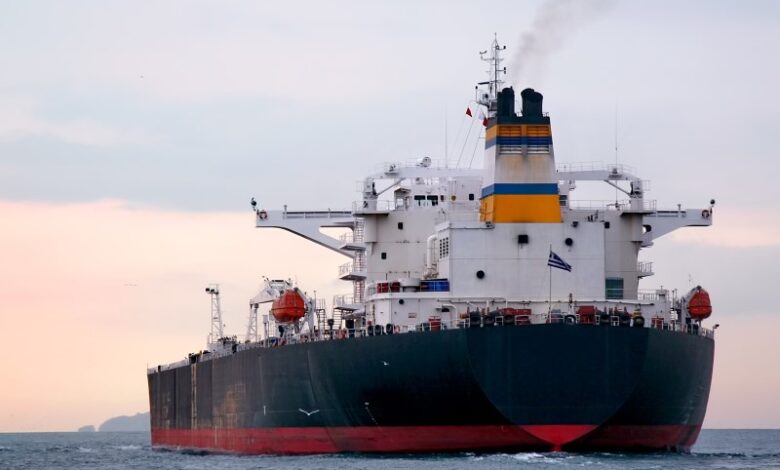
Saudi Aramco is quietly rerouting its logistics playbook. The state oil giant is exploring exports via the Red Sea to bypass the Strait of Hormuz entirely, a move that speaks louder than any official statement about how seriously Riyadh is pricing geopolitical risk right now.
Why Hormuz Risk Is Back on Trading Desks
The Strait of Hormuz remains the world’s most consequential chokepoint, handling a substantial share of seaborne crude flows daily. Renewed friction between the United States and Iran has already rattled equity markets in recent sessions, and oil traders are not waiting for confirmation before repricing risk. As we detailed in our coverage of Wall Street’s slide amid Iran tensions and an oil price spike, the market has been trading a geopolitical premium into crude for weeks. Aramco’s exploration of an alternative route via its 746-mile East-West pipeline network is the clearest signal yet that the Kingdom itself views a Hormuz disruption scenario as more than tail risk.

Key Data & Facts
- Saudi Arabia produces roughly 10 million barrels per day of crude oil.
- Observed exports climbed to approximately 7.2 million barrels per day last month, according to reported figures.
- The East-West pipeline, spanning 746 miles, offers a land-based corridor to Red Sea terminals, sidestepping Hormuz shipping lanes entirely.
- Aramco has separately flagged that global oil refining capacity has been chronically underinvested, arguing the current supply tightness reflects years of insufficient downstream capital expenditure.
- Halliburton has secured multi-year contracts with Aramco covering unconventional gas development and onshore oil re-entry work, underscoring continued upstream capital deployment despite the volatile backdrop.
- Separately, Roshn Group, the PIF-backed developer behind Aramco Stadium in Al Khobar, has hired JPMorgan to raise private equity ahead of the 2034 FIFA World Cup, a reminder that Saudi capital markets activity extends well beyond hydrocarbons.
Market Impact & Forward Outlook
What this signals for North American investors is straightforward: energy markets are pricing in a non-trivial probability of a Hormuz disruption event, and Aramco’s contingency planning validates that view rather than dismissing it. Crude prices carrying a geopolitical premium feed directly into headline inflation readings, complicating the Federal Reserve’s already delicate policy calculus. Our recent analysis of how S&P 500 futures slipped on Iran strikes and Fed minutes showed exactly this dynamic playing out in real time, with energy-sensitive sectors absorbing the volatility first.
The refining underinvestment comment from Aramco deserves particular attention. It suggests the current supply tightness is structural, not purely transitory, which reinforces the case for elevated crack spreads and sustained margins for integrated energy names over the medium term. Halliburton’s fresh contract wins point in the same direction: oilfield services firms are positioning for a multi-year cycle of upstream and unconventional gas investment, not a short-lived spike.

The risk to this thesis is a de-escalation scenario. Should US-Iran tensions cool without incident, the geopolitical premium embedded in crude could unwind quickly, exposing energy equities that have rallied on risk-off flows rather than fundamentals.
Watch OPEC+ output decisions, any formal confirmation from Aramco on the Red Sea logistics shift, and incoming US inflation data for signs of how durable this risk premium proves to be.
Frequently Asked Questions about Aramco’s Red Sea oil export strategy
Why is Aramco exploring Red Sea exports instead of the Strait of Hormuz?
Aramco is examining alternative export routes to reduce exposure to a potential disruption at the Strait of Hormuz, a critical chokepoint currently facing elevated geopolitical risk amid US-Iran tensions. Using the existing 746-mile East-West pipeline to reach Red Sea terminals would allow Saudi crude to bypass the strait entirely if tensions escalate further.
How much oil does Saudi Arabia currently export?
Saudi Arabia produces approximately 10 million barrels of crude per day, with observed exports rising to about 7.2 million barrels per day last month. These figures underscore why any disruption to export logistics carries outsized implications for global crude supply.
What does Aramco’s comment on refining underinvestment mean for oil prices?
Aramco has argued that chronic underinvestment in global refining capacity is a key driver of the current oil supply crisis. This suggests tight refining margins and elevated crack spreads could persist structurally rather than resolve quickly, supporting integrated energy company earnings over the medium term.
How does this affect North American investors and energy stocks?
A sustained geopolitical risk premium on crude tends to benefit upstream producers and oilfield services firms, evidenced by Halliburton’s new multi-year Aramco contracts. It also complicates the inflation outlook, feeding into Federal Reserve policy decisions that ripple through equity and bond markets broadly.
What should investors watch next on this story?
Key signals include any formal Aramco confirmation of a Red Sea logistics shift, OPEC+ production decisions, further developments in US-Iran relations, and upcoming US inflation prints that will reveal how much of the current oil price move reflects a lasting risk premium versus temporary volatility.
Stay ahead of the markets. Every day, The Finance Brief delivers expert financial analysis on the trends and decisions shaping the North American and global economy, in under 5 minutes.