StubHub Holdings (NYSE: STUB) is having a rough 48 hours on Wall Street. A fresh Seeking Alpha downgrade to Sell lands just as a wave of class action lawsuits and a CEO disclosure over ties to professional ticket resellers converge to reshape the market narrative around one of live entertainment’s most closely watched public tickets.
A Growth Story That’s Losing Its Shine
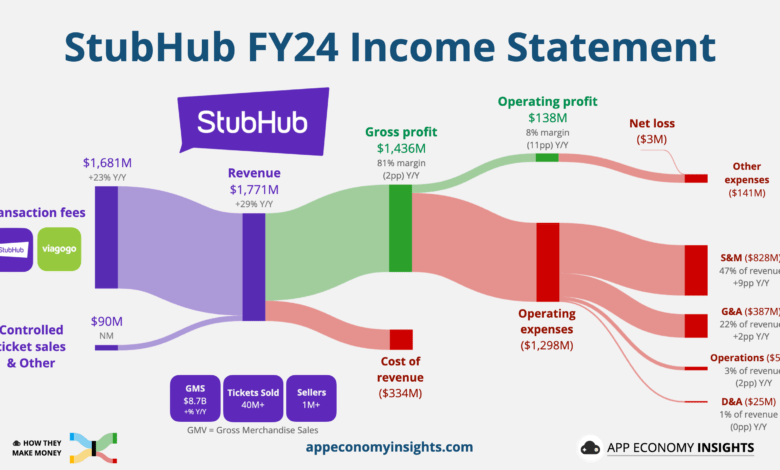
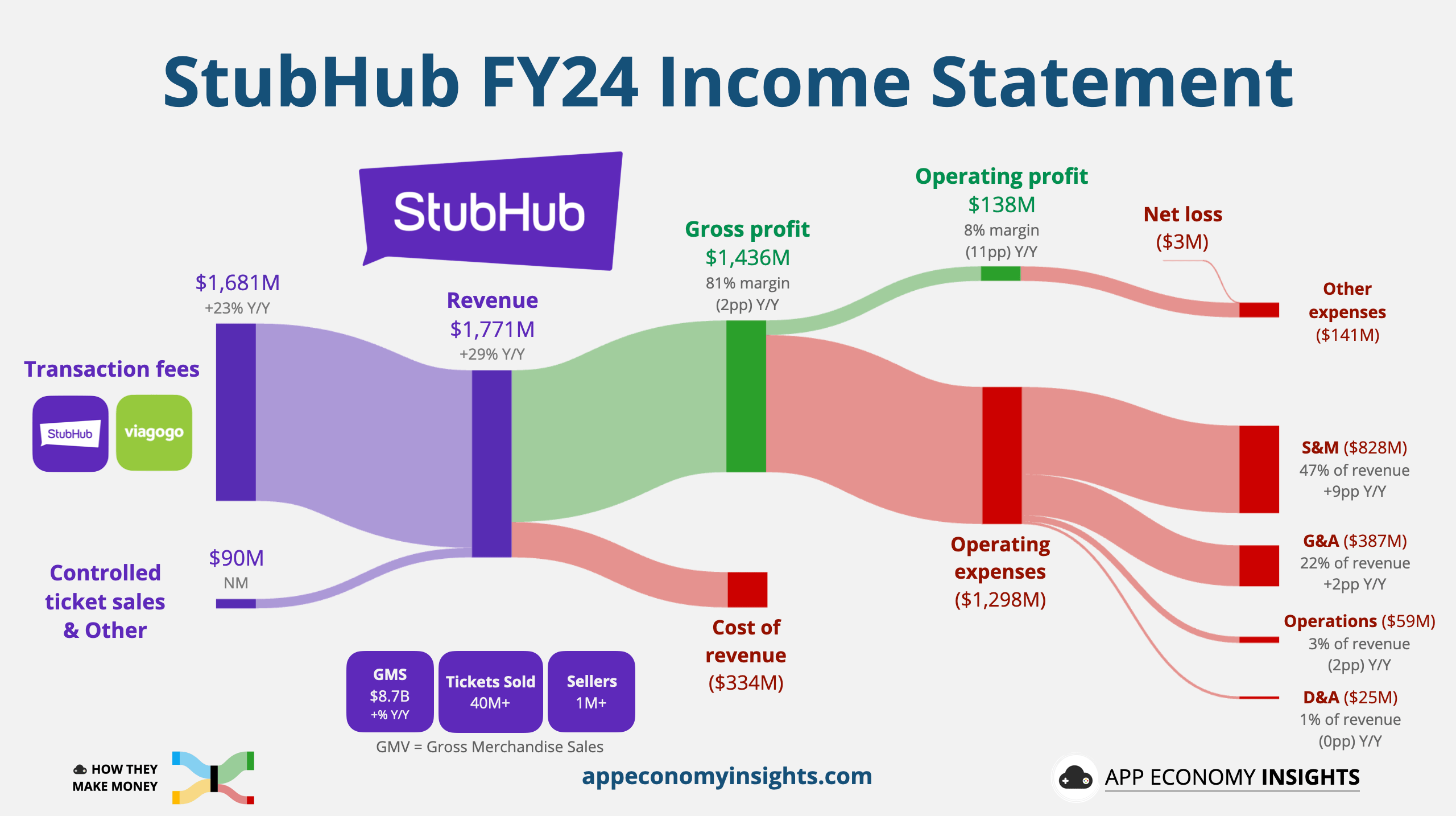
StubHub went public promising investors a scalable marketplace model with rising take rates and expanding gross merchandise sales (GMS). That thesis is now under pressure. The Seeking Alpha downgrade points to GMS deceleration offsetting take rate improvements, a combination that erodes the operating leverage bulls had priced into the stock. Rising leverage on the balance sheet compounds the concern: a company financing growth with debt while top-line momentum slows is a classic red flag for equity analysts screening for downside risk.
This isn’t happening in isolation. Broader risk-off sentiment has been building across consumer discretionary names, as Wall Street digests renewed geopolitical tension and a critical inflation print, leaving little room for names with idiosyncratic reputational baggage to get the benefit of the doubt from investors.
The Governance Overhang Investors Can’t Ignore
The real story compounding the downgrade is governance. A required SEC filing disclosed that CEO Eric Baker is a part owner and managing director of Andro Capital, a firm with financial ties to professional ticket scalpers. For a company whose entire brand proposition rests on being a neutral marketplace connecting fans, that disclosure lands hard.


A newly filed class action alleges StubHub actively concealed the CEO’s financial ties to resellers while marketing itself as an impartial platform. Separately, a Vancouver plaintiff has filed a proposed national class action in B.C. court over World Cup tickets purchased through StubHub that reportedly never materialized. Litigation risk of this nature rarely moves a stock in a single session, but it accumulates. It raises the cost of capital, invites regulatory scrutiny, and chips away at consumer trust in a business where trust is the entire value proposition.
Demand Signals Remain Genuinely Strong
What makes this setup analytically interesting is the divergence between reputational risk and underlying demand. StubHub reported that 2026 WNBA All-Star Game ticket sales are up 32% over last year’s record, nearly eightfold versus prior benchmarks. The company also landed a three-year open distribution deal with the American Conference, extending its push into direct ticketing relationships with rights holders. These are not the signs of a business losing relevance with consumers or partners.
What the Market Is Actually Pricing In
The tension here is straightforward: robust event-level demand against deteriorating unit economics and mounting legal exposure. Markets appear to be pricing in the latter more heavily right now. A Sell rating amid record ticket demand signals that analysts view governance and litigation risk as the dominant variable for near-term valuation, not top-line growth. That’s a meaningful repricing of risk for a name that until recently traded largely on category leadership and event-driven volume spikes.
The underlying risk here is reputational contagion. If the CEO conflict-of-interest allegations gain traction in discovery, or if the World Cup ticket class action expands beyond a single jurisdiction, StubHub could face a broader consumer backlash that directly threatens the GMS growth its valuation still depends on.
What to Watch Next
Investors should track StubHub’s next quarterly GMS and take rate disclosures closely, along with any regulatory response to the SEC filing on Baker’s Andro Capital ties. Developments in the B.C. class action and the U.S. reseller-conflict lawsuit will also be critical markers for whether this remains a reputational headline or evolves into a material legal liability.
Frequently Asked Questions about the StubHub stock downgrade
Why was StubHub stock downgraded to Sell?
Seeking Alpha downgraded StubHub (NYSE: STUB) citing GMS deceleration that offsets take rate gains, combined with rising leverage and mounting reputational risk tied to CEO conflict-of-interest allegations. The combination signals weakening operating leverage at a time when legal and governance concerns are also intensifying.
What is the CEO conflict-of-interest issue about?
StubHub CEO Eric Baker disclosed in a required SEC filing that he is a part owner and managing director of Andro Capital, a firm with financial ties to professional ticket resellers. A new class action lawsuit alleges the company concealed this relationship while marketing itself as a neutral fan-focused marketplace.
Is ticket demand on StubHub actually weakening?
No, demand signals remain strong in specific categories. StubHub reported 2026 WNBA All-Star Game ticket sales up 32% year over year, nearly eight times prior benchmarks, and recently secured a three-year direct distribution deal with the American Conference. The downgrade stems primarily from unit economics and legal risk, not event-level demand.
What legal risks does StubHub currently face?
StubHub faces at least two active class action lawsuits: one alleging concealment of the CEO’s reseller ties, and another filed in British Columbia over World Cup tickets that customers say never materialized. Neither has resulted in a ruling yet, but both add to the reputational and financial overhang on the stock.
What should investors watch next on StubHub?
Key catalysts include the next quarterly GMS and take rate figures, any regulatory follow-up on the Andro Capital disclosure, and procedural developments in the two pending class actions. A material shift in consumer trust metrics or ticket refund volumes would also be an important signal to monitor.
Stay ahead of the markets. Every day, The Finance Brief delivers expert financial analysis on the trends and decisions shaping the North American and global economy, in under 5 minutes.