The 2026 FIFA World Cup Round of 16 fixture between Spain and Portugal in Arlington, Texas, is delivering more than football drama. It is generating measurable, large-scale economic activity across broadcasting, sports betting, and regional hospitality sectors, reinforcing the tournament’s status as the most commercially potent sporting event in North American history.
A Tournament Built for Commercial Scale
The 2026 World Cup, co-hosted across the United States, Mexico, and Canada, is the largest edition of the tournament ever staged, featuring 48 national teams competing across 104 matches. The final is scheduled for July 19 at New York New Jersey Stadium in East Rutherford, New Jersey, a venue choice that maximizes media market exposure in the world’s largest advertising economy.
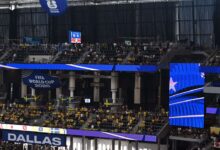
The Spain-Portugal matchup, played at Dallas Stadium in Arlington, Texas, represents exactly the kind of marquee fixture that broadcast rights holders and sportsbooks have priced premium inventory around. Both nations carry enormous global fanbases, and their Round of 16 collision drew immediate attention from commercial partners across the continent.
As we outlined in our recent analysis of the record broadcast and betting revenue driven by this fixture, the Spain-Portugal matchup is functioning as a commercial anchor for the tournament’s knockout stage, with betting handle and viewership metrics tracking well above comparable Round of 16 matches from prior editions.

Broadcast Rights, Betting Handle, and the Fox Sports Factor
Fox Sports holds the primary U.S. broadcast rights for the 2026 World Cup, and the network’s commercial exposure to the tournament’s knockout rounds is substantial. Every high-profile match that advances into the quarterfinals and beyond extends the premium advertising inventory available to the network and its parent company, Fox Corporation.
Fox Sports is broadcasting all 104 matches, a commitment that represents a significant rights investment. The network’s scheduling and promotional infrastructure around the knockout stage, including the Spain-Portugal fixture, signals confidence in sustained audience growth as the tournament progresses toward the final.
On the betting side, the Spain-Portugal match carries structural commercial weight. Spain captain Rodri, the 2024 Ballon d’Or winner, entered the fixture publicly asserting his side’s midfield superiority over Portugal’s generation. Portugal’s Bruno Fernandes, captaining his side, arrived under scrutiny after a tournament in which his individual statistical output has drawn mixed assessments. These narrative tensions, widely covered across sports media, directly drive betting market liquidity and media engagement metrics that underpin advertising rates.
Belgium’s formal challenge to FIFA over U.S. striker Folarin Balogun’s eligibility for the USA-Belgium Round of 16 fixture adds a separate layer of regulatory and commercial risk to the tournament’s bracket, with Fox Sports broadcasting that match as well. Eligibility disputes at this stage can affect broadcast scheduling certainty and create reputational risk for FIFA’s commercial partners.
Regional Economic Impact and the Arlington Effect
Arlington, Texas, hosting the Spain-Portugal match at Dallas Stadium, is capturing direct hospitality and retail spending from one of the tournament’s highest-demand fixtures. Hotel occupancy rates, food and beverage revenues, and transportation demand in the Dallas-Fort Worth metropolitan area reflect the concentrated economic activity that a World Cup knockout match generates in its host city.
The broader regional economic thesis for the 2026 tournament rests on the distribution of matches across multiple U.S. cities, each capturing discrete spending surges. With the final anchored in the New York metropolitan area, the commercial tail of the tournament extends across the most valuable advertising and consumer market in the country.
The deepfake and illegal betting operator issue surfacing around Bruno Fernandes, reported by The Guardian, also carries a commercial signal worth monitoring. Unlicensed operators producing AI-generated content to deceive consumers represent a growing compliance and reputational risk for the regulated sports betting industry, which has invested heavily in World Cup marketing. Regulatory scrutiny of these practices could accelerate in the weeks ahead.
What to Watch as the Knockout Stage Advances
The key commercial indicators to track through the quarterfinals and semifinals include Fox Sports viewership data for the USA-Belgium fixture, which carries the highest domestic audience potential of any remaining match, and regulated sportsbook handle figures for marquee matchups. The Adidas unveiling of a new official match ball for the knockout rounds signals the tournament’s commercial machinery is shifting into its highest gear. Any further FIFA eligibility rulings, broadcast scheduling changes, or regulatory actions against unlicensed betting operators could move the needle on the commercial outlook for the tournament’s final two weeks.