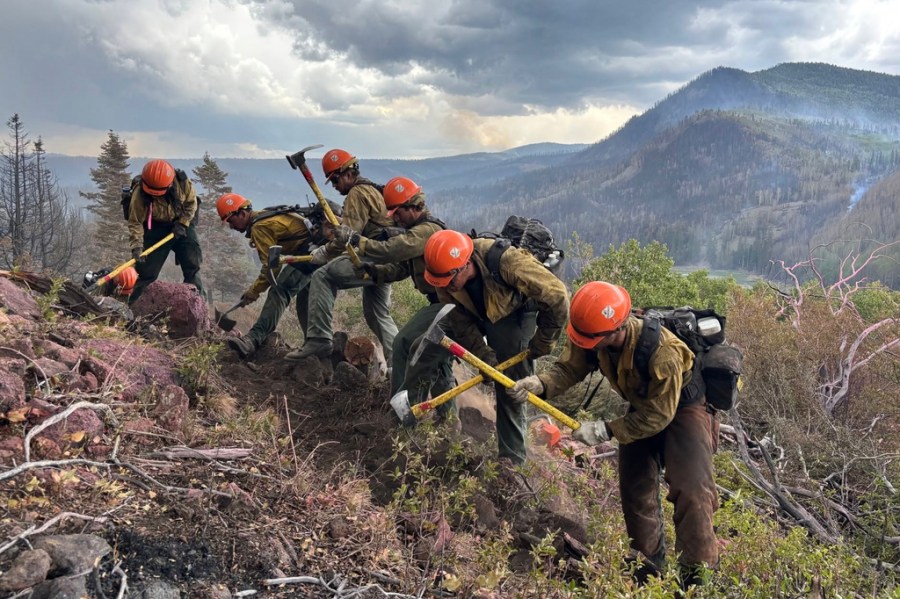
Utah is burning. With the largest active wildfire in the United States currently raging across the state, Utah County has declared a formal state of emergency, the governor has banned personal fireworks ahead of the Fourth of July, and the National Weather Service has issued a rare “Particularly Dangerous Situation” Red Flag Warning. The economic and insurance implications are mounting by the hour.
A Fire Season That Arrived Early and Hit Hard
It is not yet July, and Utah is already confronting what fire officials are describing as one of the most severe wildfire outbreaks in recent memory. Multiple blazes have broken out simultaneously across the state, fueled by dry conditions and gusting winds, according to reporting from AP News and The Guardian. The Iron Fire near Eureka and the Hastings Fire in Tooele County are among the most active fronts, with air quality monitoring firm IQAir tracking both blazes and their impact on surrounding communities.
Utah County Commissioner Skyler Beltran announced the state of emergency declaration, a formal legal designation that unlocks emergency funding mechanisms and accelerates resource deployment. Governor Spencer Cox separately announced statewide fireworks restrictions through the Fourth of July holiday weekend, a decision with direct commercial consequences for retailers and event operators who depend heavily on that period for seasonal revenue.
The Economic Damage Is Already Accumulating
Wildfires of this scale generate cascading economic losses that extend well beyond the immediate fire perimeter. The channels of damage are multiple and compounding.
- Property and infrastructure destruction: Residential and commercial structures in evacuation zones face direct loss risk. Rebuilding costs in the Mountain West have surged alongside broader construction inflation, meaning replacement values are substantially higher than in prior fire cycles.
- Insurance market stress: The U.S. property and casualty insurance sector has been under sustained pressure from catastrophic weather events. Each major wildfire declaration accelerates the repricing of homeowner policies across fire-prone Western states, with some insurers already withdrawing coverage from high-risk ZIP codes.
- Agricultural and livestock exposure: Utah’s rural economy, which includes significant ranching and farming operations, faces direct asset destruction as fires move across grazing land and agricultural infrastructure.
- Tourism and hospitality revenue: Utah’s outdoor recreation economy, a major driver of state GDP, faces near-term disruption as trail closures, air quality warnings, and evacuation orders deter visitors during peak summer season.
- Energy and utility sector risk: Power infrastructure in fire corridors faces damage risk, with utilities potentially facing both physical repair costs and liability exposure if electrical equipment is found to have contributed to ignition.
The fireworks ban, while prudent from a public safety standpoint, will suppress consumer spending at retail outlets, roadside stands, and organized events during one of the highest-revenue holiday windows of the year for that category.
Broader Market Signals and the Insurance Sector Overhang
For investors tracking the property and casualty insurance sector, the Utah emergency is another data point in an accelerating trend. Insurers including Allstate, State Farm, and smaller regional carriers have been recalibrating their Western exposure for several years. Each new major wildfire event reinforces the actuarial case for premium increases, coverage restrictions, or outright market exits in affected geographies.
As we outlined in our recent analysis of commodity price pressures and supply chain risks, physical climate events are increasingly functioning as macro-level economic shocks rather than isolated regional incidents. The Utah wildfires, occurring simultaneously with extreme heat watches across Kansas City, Phoenix, Iowa, and Nebraska, point to a broader pattern of compressing fire and heat seasons that carry systemic economic weight.
Federal emergency declarations, if triggered, would activate FEMA disaster relief funding, adding to federal fiscal expenditure at a moment when budget pressures are already elevated. State emergency declarations also affect municipal bond markets, as investors assess the fiscal capacity of affected counties and municipalities to absorb recovery costs without credit deterioration.
What to Watch in the Days Ahead
The critical variables over the next 72 to 96 hours are containment progress on the Iron Fire and Hastings Fire, wind forecasts across southern Utah, and whether the federal government elevates its response to a presidential disaster declaration. Any expansion of the fire perimeter into denser population centers would sharply amplify property loss estimates and insurance sector exposure. Investors in Western utility stocks, regional homebuilders, and property and casualty insurers should monitor containment reports closely. The Fourth of July weekend, with its combination of peak heat, dry conditions, and historically elevated ignition risk, represents the next critical stress test for Utah’s emergency management infrastructure.
Frequently Asked Questions about the Utah Wildfires and Economic Impact
What triggered the state of emergency declaration in Utah?
Utah County Commissioner Skyler Beltran declared a state of emergency as multiple wildfires broke out simultaneously across the state under a rare “Particularly Dangerous Situation” Red Flag Warning issued by the National Weather Service. Dry conditions and gusting winds have accelerated fire spread, with the largest active wildfire in the United States currently burning within Utah’s borders. The declaration unlocks emergency funding and accelerates resource deployment for firefighting and evacuation operations.
How do large-scale wildfires affect the insurance market?
Major wildfire events directly pressure the property and casualty insurance sector by increasing claims payouts and forcing actuarial reassessments of risk in fire-prone regions. Insurers respond by raising premiums, tightening underwriting standards, or withdrawing coverage from high-risk ZIP codes entirely. Several large U.S. insurers have already reduced their exposure in Western states following recent fire seasons, and events like the Utah outbreak reinforce that trend.
Why did Utah’s governor ban fireworks, and what is the economic impact of that decision?
Governor Spencer Cox banned personal fireworks statewide through the Fourth of July holiday to reduce ignition risk during an already dangerous fire weather period. The economic cost falls primarily on fireworks retailers, roadside vendors, and event operators who depend on the July 4 weekend for a significant share of their annual revenue. The ban also affects hospitality and tourism businesses that organize Independence Day events drawing out-of-state visitors.
Could the Utah wildfires trigger a federal disaster declaration, and what would that mean financially?
A presidential disaster declaration is possible if damage assessments exceed thresholds that justify federal intervention under the Stafford Act. Such a declaration would activate FEMA individual assistance and public assistance programs, channeling federal funds into affected communities for housing, infrastructure repair, and debris removal. It also adds to federal fiscal expenditure, a consideration for bond markets tracking the U.S. deficit trajectory.
Which investment sectors face the most direct exposure to the Utah wildfire situation?
Property and casualty insurers with Western U.S. exposure face the most immediate risk from rising claims. Western regional utilities could face both physical infrastructure damage and potential liability if equipment is linked to fire ignition. Homebuilders operating in fire-adjacent markets may see demand disruption in affected communities. Utah’s outdoor recreation and tourism economy, a meaningful contributor to state GDP, also faces near-term revenue pressure from trail closures and air quality warnings during peak summer season.
Stay ahead of the markets. Every day, LeGrebe delivers expert financial analysis on the trends and decisions shaping the North American and global economy, in under 5 minutes.

