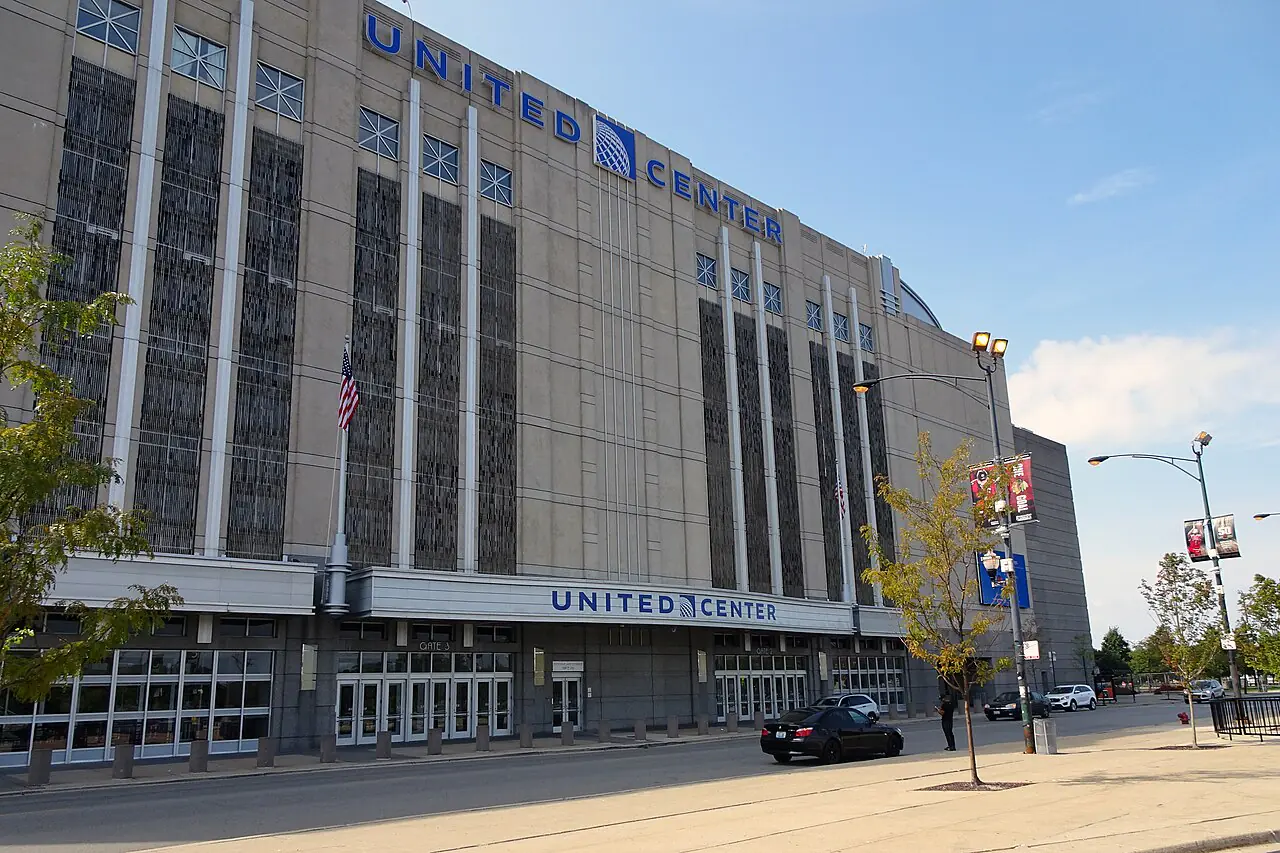
Lukas Walton, the 39-year-old grandson of Walmart founder Sam Walton, has acquired a minority stake in both the Chicago Bulls NBA franchise and the United Center arena, marking one of the most high-profile sports ownership transactions of 2026. The deal underscores the accelerating convergence of dynastic retail wealth and professional sports assets, a trend reshaping valuations across North American leagues.
Billionaire Capital Flows Into Sports Ownership at Record Pace
Walton family wealth has long been a fixture of Forbes rankings, but Lukas Walton’s move into professional basketball signals a deliberate shift toward alternative asset classes that combine cultural prestige with long-term capital appreciation. Sports franchises have consistently outperformed traditional equity benchmarks over the past two decades, and NBA valuations in particular have surged as media rights deals and international expansion drive revenue growth.
The Chicago Bulls, one of the NBA’s most globally recognized brands, carry a valuation that analysts place comfortably above $4 billion, buoyed by the franchise’s legacy and the Chicago market’s economic weight. Acquiring even a minority stake in such an asset represents a significant capital commitment, and the simultaneous purchase of a stake in the United Center, one of North America’s premier sports and entertainment venues, adds a real estate and events revenue dimension that pure franchise ownership alone would not provide.
Lukas Walton and his wife Samantha are Chicago residents, which contextualizes the investment as both financially strategic and locally rooted. Still, the financial logic is clear: arena ownership generates diversified income streams from concerts, corporate events, and ancillary hospitality that are structurally uncorrelated with on-court performance.



The Strategic and Financial Architecture of the Deal
The precise financial terms of the transaction have not been disclosed publicly. What is confirmed, per CNBC reporting, is that Lukas Walton is acquiring a minority stake in both the Bulls organization and the United Center facility. Minority stakes in NBA franchises have become a preferred entry point for ultra-high-net-worth individuals and family offices, offering exposure to the asset class without triggering the NBA’s more stringent governance requirements attached to controlling ownership.
The broader Walton family has demonstrated an appetite for diversified alternative investments. Lukas Walton is also known for his focus on impact investing through the Builders Vision platform, which channels capital toward sustainable food, energy, and ocean initiatives. This Bulls investment represents a different allocation vector, one oriented toward trophy assets with durable brand equity and strong cash flow characteristics.
For the Bulls organization, bringing in a Walton-family stakeholder carries symbolic and practical weight. Access to one of America’s wealthiest family networks can facilitate sponsorship conversations, arena partnerships, and long-term strategic planning at a scale few ownership groups can match.
What This Signals for Sports Asset Valuations and Investor Appetite
The Walton transaction arrives as institutional and family office capital continues to pour into professional sports at an unprecedented rate. The NFL, NBA, and MLB have all moved to broaden permissible ownership structures in recent years, explicitly to attract this category of investor. The result has been a sustained re-rating of franchise values that shows little sign of reversal.
As we outlined in our recent analysis of the blockbuster IPO wave reshaping alternative asset markets, the appetite among ultra-wealthy investors for assets that blend financial returns with cultural cachet is structurally robust. Sports franchises sit squarely in that category.
The underlying risk for minority investors in sports franchises remains liquidity. These are illiquid, privately held assets where exit opportunities depend on finding a willing buyer at an agreed valuation, a process that can take years. Governance rights for minority holders are also typically limited, meaning returns are largely a function of the controlling owner’s strategic decisions and the broader trajectory of league revenues.
Near term, the market will watch for any formal NBA disclosure of the transaction’s financial terms, as well as whether additional Walton family members or affiliated vehicles participate in the deal structure. Any signal on the implied valuation of the Bulls stake would provide a meaningful data point for the broader sports asset market.