A federal judge in Boston has permanently barred the Trump administration from implementing the core provisions of President Trump’s first executive order on elections, including a requirement that voters provide proof of citizenship when registering to vote. The ruling, issued Wednesday, represents one of the most consequential judicial checks on the administration’s electoral agenda to date, and carries direct implications for the political and regulatory landscape heading into the 2026 midterm cycle.
A Ruling That Redraws the Midterm Battlefield
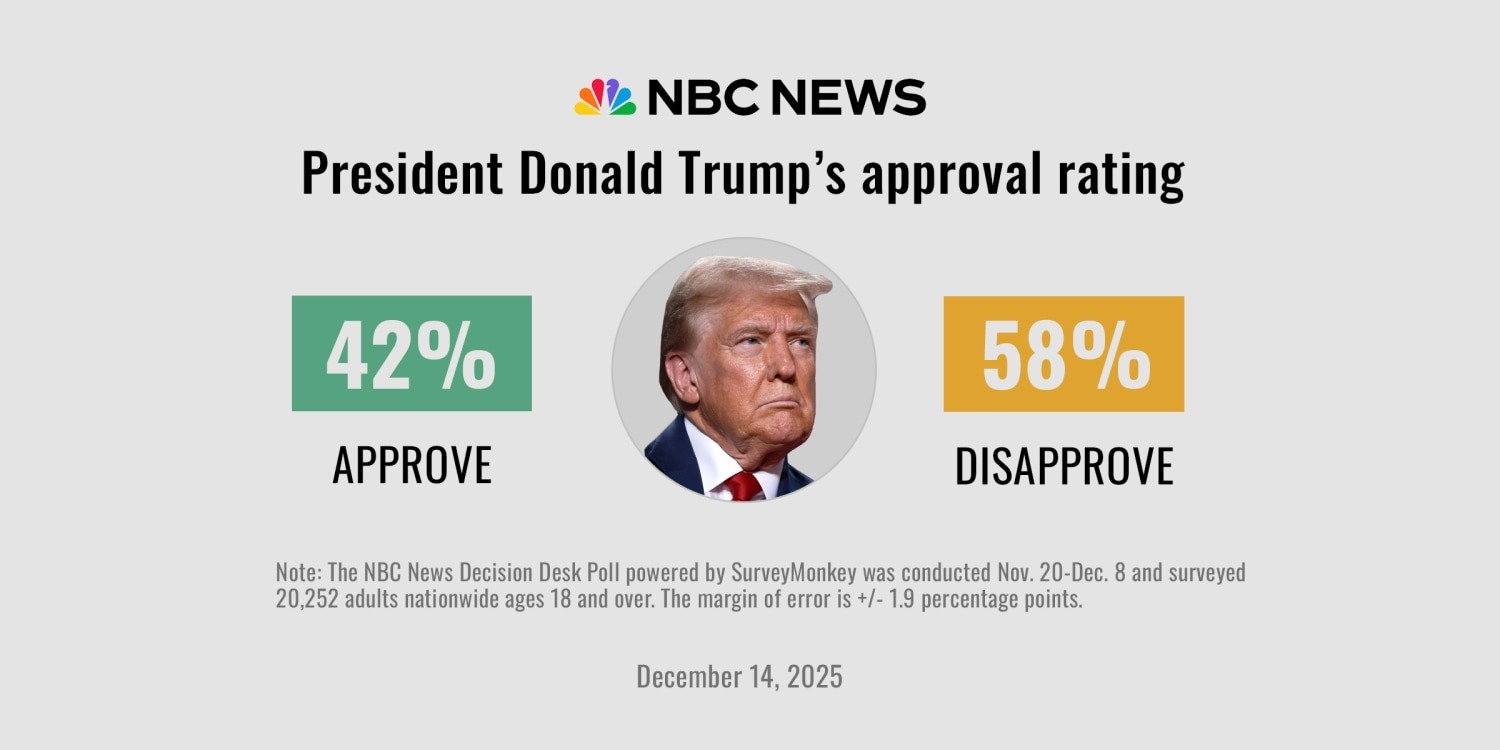
The timing could not be more politically charged. With midterm elections approaching and the administration already navigating record-low approval ratings, this permanent injunction strikes at one of the White House’s signature electoral reform efforts. As we outlined in our recent analysis of Trump’s approval rating hitting a record low of 30%, the administration faces mounting institutional and electoral headwinds simultaneously. A permanent bar, rather than a preliminary injunction, signals that the court found the executive order fundamentally incompatible with existing federal law.
The political stakes are substantial. Proof-of-citizenship requirements have been a central demand of conservative electoral reform advocates for years. Blocking the measure permanently removes a key policy tool the administration had positioned as a cornerstone of election integrity efforts, forcing the White House to either appeal or pursue a legislative path, both of which carry significant political and legal risk.
What the Court Actually Blocked
According to reporting from the Associated Press and the Los Angeles Times, the federal judge permanently blocked most of Trump’s first executive order on elections. The most prominent provision struck down is the proof-of-citizenship requirement for voter registration. The ruling was issued by a federal court in Boston, and the permanent nature of the injunction distinguishes it sharply from earlier, temporary blocks that courts had placed on various administration directives.


- Scope: The injunction covers the majority of the executive order’s provisions, not merely a single clause.
- Jurisdiction: The ruling originates from a federal district court in Boston, meaning it carries nationwide applicability under the terms of the injunction.
- Permanence: Unlike a preliminary injunction, a permanent bar reflects a final merits determination by the court, raising the legal threshold for any successful appeal.
The administration has not yet publicly detailed its appeal strategy, but legal analysts widely expect the Justice Department to challenge the ruling at the First Circuit Court of Appeals, with a potential path to the Supreme Court.
Market and Policy Implications for Investors
At first glance, a voter registration ruling may appear distant from financial markets. The connection is more direct than it seems. Electoral outcomes shape fiscal policy, regulatory frameworks, and the composition of Congress, all of which are material to equity valuations, tax policy, and the trajectory of federal spending. A midterm environment in which the administration’s electoral agenda faces sustained judicial constraint is one where legislative gridlock becomes a more probable base case.
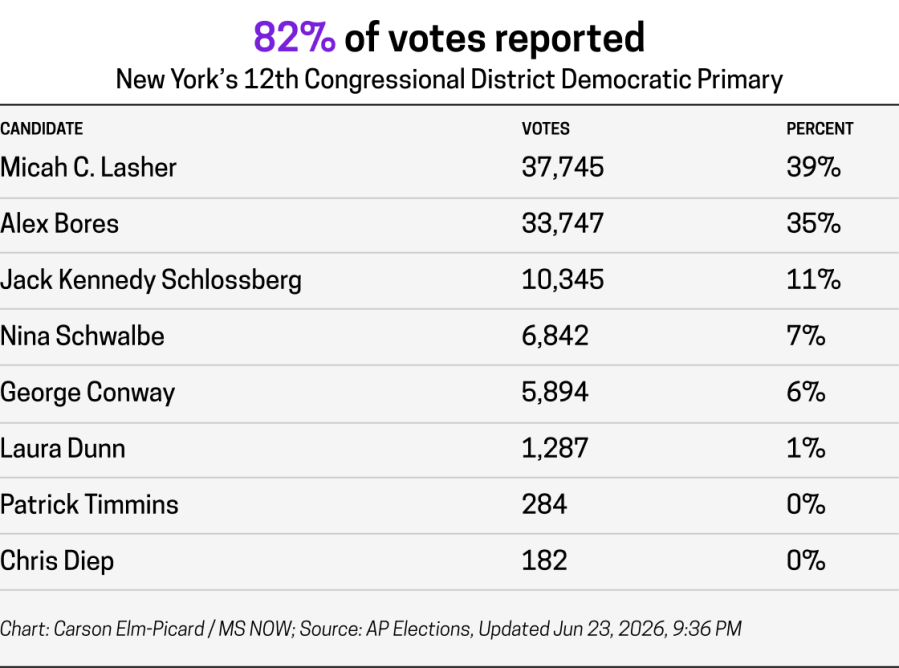
For investors tracking policy risk, this ruling reinforces a broader pattern: the Trump administration’s executive order strategy continues to face systematic judicial resistance across multiple policy domains. That pattern, combined with the progressive sweep in recent Democratic primaries documented in our analysis of left-wing Democrats reshaping the midterm map, suggests the political environment ahead of November is increasingly fluid and contested.
Sectors with direct exposure to regulatory and fiscal policy, including defense, healthcare, energy, and financial services, should be monitored closely. A Congress whose composition remains genuinely uncertain introduces a wider distribution of policy outcomes than markets may currently be pricing. Regulatory risk premiums, particularly in sectors dependent on executive discretion, warrant reassessment.
What to Watch in the Days Ahead
The administration’s formal legal response to the ruling will be the first critical signal. A rapid appeal to the First Circuit would indicate the White House views this as a winnable fight on constitutional grounds. A more measured response, or a pivot toward pursuing proof-of-citizenship legislation through Congress, would signal a strategic recalibration. Either path has distinct implications for the broader midterm political calculus. Watch also for reactions from state-level Republican officials who have pursued parallel voter registration legislation, as the federal ruling may embolden legal challenges to those state measures as well.
Frequently Asked Questions about the Federal Judge Blocking Trump’s Voter Citizenship Order
What exactly did the federal judge block?
A federal judge in Boston permanently barred the Trump administration from implementing most of President Trump’s first executive order on elections. The most significant provision blocked is a requirement that individuals provide proof of citizenship when registering to vote. The permanent injunction covers the majority of the executive order’s provisions.
What is the difference between a permanent injunction and a preliminary one?
A preliminary injunction is a temporary measure issued early in litigation to preserve the status quo while a case proceeds. A permanent injunction is issued after a full merits determination and reflects the court’s final judgment that the challenged action is unlawful. Overturning a permanent injunction on appeal is significantly more difficult than challenging a preliminary block.
Can the Trump administration appeal this ruling?
Yes. The administration can appeal the decision to the First Circuit Court of Appeals, and ultimately to the Supreme Court. However, given that this is a permanent injunction based on a full merits review, the legal bar for reversal is high. The Justice Department has not yet publicly announced its appeal strategy.
Why does this ruling matter for financial markets and investors?
Electoral outcomes directly shape fiscal policy, tax legislation, regulatory frameworks, and federal spending priorities, all of which are material to corporate earnings and equity valuations. A contested midterm environment with uncertain congressional composition widens the distribution of possible policy outcomes. Sectors heavily exposed to federal regulation, including healthcare, energy, defense, and financial services, face elevated policy uncertainty as a result.
What are the next key events to monitor following this ruling?
Investors and political analysts should watch for the administration’s formal legal response, particularly whether it files an expedited appeal to the First Circuit. State-level reactions from Republican governors and legislatures pursuing similar voter registration requirements will also be significant, as the federal ruling may trigger parallel legal challenges at the state level. The ruling’s broader impact on midterm voter registration dynamics will become clearer over the coming weeks.
Stay ahead of the markets. Every day, LeGrebe delivers expert financial analysis on the trends and decisions shaping the North American and global economy, in under 5 minutes.