The U.S. Supreme Court delivered a seismic ruling on June 30, 2026, striking down federal limits on coordinated spending between political parties and their candidates for Congress. The decision, which sided with a Republican National Senatorial Committee challenge against the Federal Election Commission, effectively dismantles one of the last remaining structural guardrails on party-level campaign expenditures. The financial and political implications are immediate and far-reaching.
A Ruling Years in the Making, Timed for Maximum Impact
The case traces its origins to the 2022 midterm cycle, when the National Republican Senatorial Committee filed suit challenging the FEC’s enforcement of coordinated party expenditure limits. According to multiple reports, the restrictions had become a live issue just days before the 2022 elections, as Democratic candidates were significantly outspending Republican Senate nominees including then-candidate JD Vance. The GOP’s legal challenge argued the spending caps violated the First Amendment’s free speech protections.
The Supreme Court agreed. The majority opinion held that limits on how much a political party can spend in direct coordination with its own candidates are unconstitutional. The ruling arrives with the 2026 midterm elections already underway, making it one of the most consequentially timed campaign finance decisions in recent memory.
What the Decision Actually Removes
Under the prior framework, federal law imposed strict caps on “coordinated party expenditures,” meaning the amount a party committee could spend in direct consultation or coordination with a specific candidate’s campaign. These limits were distinct from independent expenditures, which had already been largely deregulated following the 2010 Citizens United ruling.
With those coordinated spending caps now gone, party committees can direct virtually unlimited funds in direct alignment with candidate strategy, messaging, and targeting. The practical effect is a structural amplification of party power over individual races. Key consequences include:
- Flood of coordinated capital: Party committees can now pour large-donor money directly into competitive Senate and House races without hitting prior expenditure ceilings.
- Republican structural advantage: Analysts at Politico noted the ruling is likely to benefit Republicans, who brought the case and rely more heavily on large individual donors relative to Democrats’ broader small-donor base.
- Diminished role of PACs for coordination: Previously, parties routed coordinated-equivalent spending through independent expenditure committees to avoid limits. That workaround is now unnecessary, streamlining the money pipeline.
Market and Economic Implications for Investors
Campaign finance rulings rarely move equity markets directly, but this decision carries meaningful downstream implications for sectors that are acutely sensitive to regulatory and legislative outcomes. Defense contractors, energy producers, financial services firms, and pharmaceutical companies all have significant exposure to the legislative agenda shaped by which party controls the Senate after November 2026.
The ruling materially increases the probability of a Republican-favorable funding environment in competitive Senate races. Markets pricing political risk into rate-sensitive sectors, including utilities and healthcare, should factor in a higher likelihood of Republican Senate gains, given the structural fundraising advantage the ruling confers. As we outlined in our recent analysis of the 2026 primary results reshaping the midterm map, the ideological and financial dynamics of this cycle are already unusually volatile.
Beyond sector-specific exposure, the ruling adds a layer of uncertainty to fiscal policy expectations. A Senate majority shift would recalibrate the legislative calculus on tax policy, spending cuts, and regulatory rollback, all variables that bond and equity markets are actively pricing ahead of the November vote.
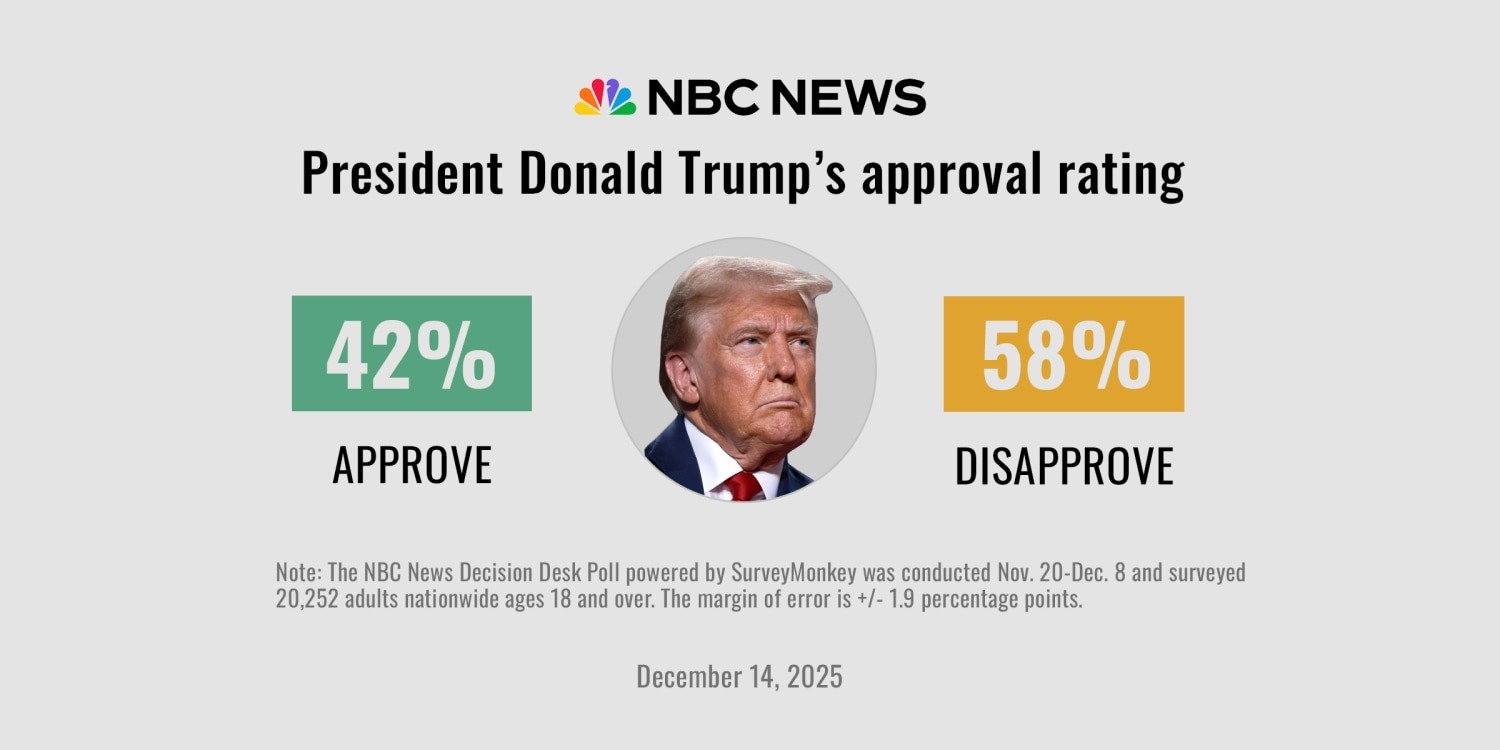
The decision also intersects with broader concerns about institutional credibility. As we noted in our coverage of Trump’s record-low approval ratings and mounting midterm pressure, the political environment heading into November is already fragile. A ruling perceived as structurally favoring one party amplifies public skepticism of institutions, a sentiment that historically correlates with elevated market volatility in election cycles.
What to Watch in the Days Ahead
The FEC is expected to issue guidance on how it will operationalize the ruling, and legal challenges from campaign finance reform advocates are likely to follow in lower courts. Congressional Democrats have already signaled legislative responses, though their prospects in a divided Congress are limited. The NRSC and NRCC are expected to announce expanded coordinated spending programs within weeks. Watch for accelerated fundraising disclosures from party committees in July, which will provide the first concrete signal of how aggressively Republicans intend to deploy this new financial latitude before November.
Frequently Asked Questions about the Supreme Court Campaign Finance Ruling
What exactly did the Supreme Court strike down?
The Court struck down federal limits on “coordinated party expenditures,” which were caps on how much money a political party committee could spend in direct coordination with a specific candidate’s campaign. The majority held these limits violated the First Amendment. The ruling does not affect separate limits on direct contributions to individual candidates.
Why is this ruling considered an advantage for Republicans?
Multiple analysts, including those cited by Politico, noted that Republicans brought the case and that the GOP relies more heavily on large individual donors who can now direct funds through party committees without hitting prior spending ceilings. Democrats have historically relied more on a broader small-donor base and independent expenditure structures, which are less directly affected by this ruling.
How does this differ from the Citizens United decision?
The 2010 Citizens United ruling primarily deregulated independent expenditures, meaning spending by outside groups that operate without coordinating with campaigns. This new ruling goes further by removing limits on spending that is explicitly coordinated between a party and its candidates, which was previously the more tightly regulated category of political spending.
Which market sectors are most exposed to this political shift?
Sectors with heavy regulatory exposure are most sensitive to shifts in Congressional control. Defense, energy, financial services, and healthcare are the primary areas where a change in Senate majority would most directly alter the legislative and regulatory landscape. Investors in rate-sensitive sectors should also monitor how the ruling affects fiscal policy expectations for 2027 and beyond.
Can this ruling be reversed or challenged further?
Supreme Court rulings on constitutional grounds are extremely difficult to reverse without a subsequent Court decision or a constitutional amendment. Congressional Democrats could attempt to pass new campaign finance legislation, but any such effort faces significant obstacles in a divided Congress. Legal advocacy groups are expected to file challenges in lower courts targeting related spending regulations, though the constitutional framework the Court established significantly narrows their options.
Stay ahead of the markets. Every day, LeGrebe delivers expert financial analysis on the trends and decisions shaping the North American and global economy , in under 5 minutes.