The U.S. Supreme Court handed the Trump administration a significant legal victory on Thursday, upholding the federal government’s policy of systematically turning back asylum seekers before they can reach the U.S.-Mexico border. The ruling, which triggered an unusually public and pointed clash between Justices Samuel Alito and Sonia Sotomayor, carries sweeping implications for immigration enforcement, corporate supply chains dependent on cross-border labor, and the broader political economy heading into the 2026 midterm cycle.
A Ruling That Reshapes the Border Policy Landscape
Thursday’s decision represents one of the most consequential immigration rulings of the current Court term. The justices sided with the Trump administration in a border dispute that centered on the government’s authority to turn back asylum seekers before they formally enter U.S. territory. According to SCOTUSblog, the Court upheld the policy of systematic pushbacks at the southern border, effectively granting the executive branch broader operational latitude over asylum processing than lower courts had previously allowed.
For markets and businesses, the ruling matters beyond its immediate humanitarian dimensions. Immigration policy directly intersects with U.S. labor supply dynamics, particularly in agriculture, construction, hospitality, and logistics sectors that have relied on asylum-track workers to fill persistent workforce gaps. A tighter, more restrictive border regime reinforces the structural labor tightness that has kept wage inflation elevated, a variable the Federal Reserve continues to monitor closely. As we outlined in our recent analysis of the Federal Reserve’s rate trajectory under Chair Warsh, persistent labor market tightness remains one of the key inputs complicating the path to rate normalization.
The Alito-Sotomayor Exchange: Institutional Signal, Not Just Theater
The courtroom drama that followed the ruling was striking by any measure. Justice Sotomayor took the rare step of reading her dissent aloud from the bench, a gesture reserved for decisions a justice considers profoundly wrong. Her warning, that “more people will die” as a result of the ruling, drew a sharp and public rebuke from Justice Alito, who accused her of blindsiding him. CNN’s Supreme Court correspondent Joan Biskupic described the exchange as unusually pointed even by the standards of a Court that has grown increasingly fractured along ideological lines.

Alito’s visible irritation, described by multiple outlets as sitting “stone-faced” before snapping back, signals something beyond personal friction. It reflects the deepening institutional stress on a Court navigating politically charged cases in an election-adjacent environment. For investors tracking regulatory and legal risk, a Court that rules expansively in favor of executive power on immigration also signals a broader deference to executive authority that could affect regulatory rollbacks, energy permitting, and financial oversight cases still working through the docket.
Policy, Politics, and the Midterm Economic Calculus
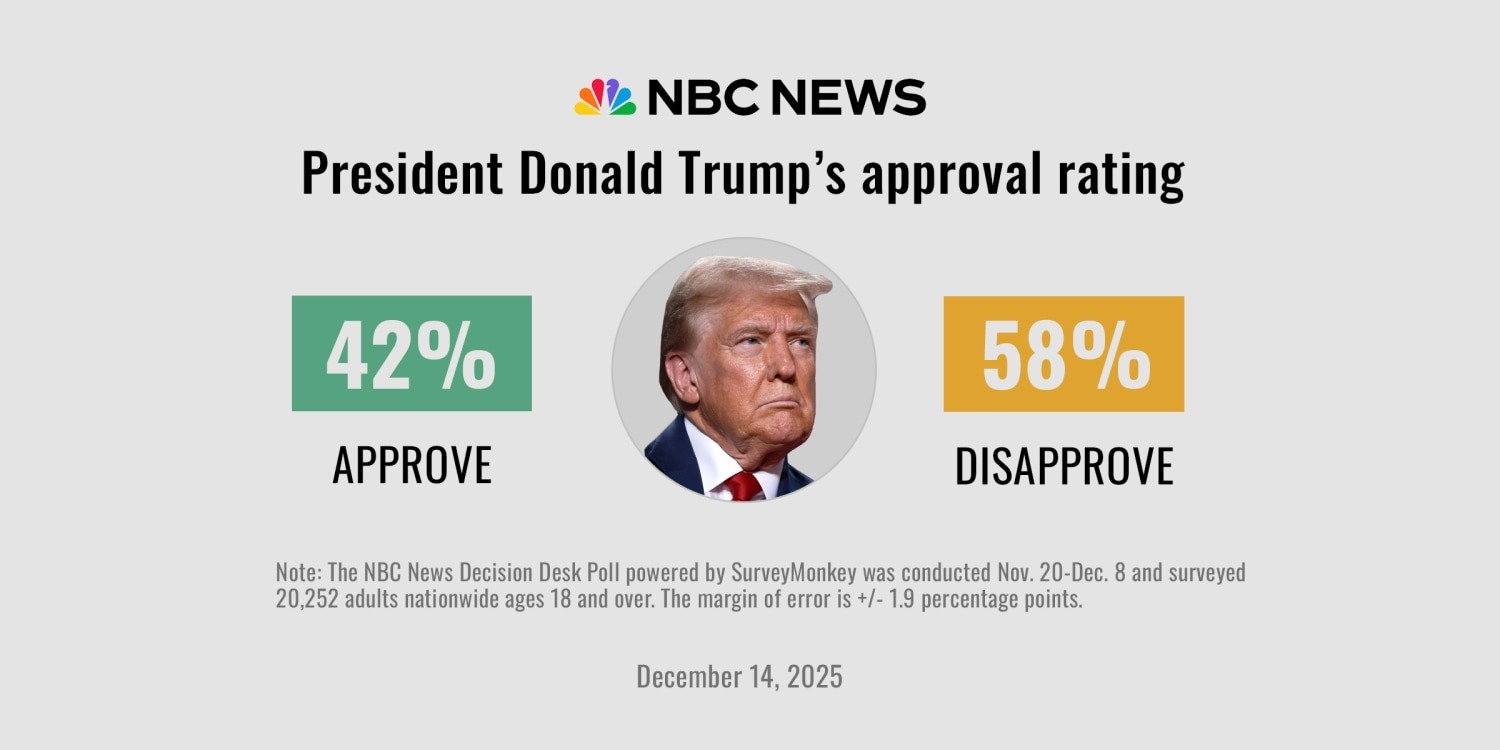
The timing of the ruling is not politically neutral. With the 2026 midterm elections approaching and President Trump’s approval rating under significant pressure, as recent polling showing a record low of 30% makes clear, a Supreme Court win on one of the administration’s signature policy priorities provides a meaningful political lift. Markets have historically been sensitive to political stability signals, and a legal architecture that consolidates executive authority on border enforcement reduces one category of policy uncertainty for businesses operating in sectors exposed to immigration-linked labor costs.
The economic read-through is layered. On one hand, a more restrictive asylum regime constrains labor supply in low-wage sectors, sustaining upward wage pressure. On the other, it reduces legal and operational uncertainty for employers who have faced compliance complexity around asylum-track workers. Agricultural commodity prices, already sensitive to harvest-season labor availability, bear watching in the weeks ahead.
- Labor market impact: Tighter asylum processing reduces the pipeline of asylum-track workers entering sectors with chronic labor shortages.
- Wage inflation persistence: Reduced labor supply in key industries supports wage growth, complicating the Fed’s inflation calculus.
- Regulatory risk signal: Broad deference to executive power in immigration may foreshadow similar rulings in energy, financial regulation, and environmental policy cases.
- Political economy: The ruling strengthens the administration’s legal standing on border policy ahead of a midterm cycle where immigration ranks among voters’ top concerns.
What to Watch in the Days Ahead
The immediate market reaction to a Supreme Court immigration ruling is rarely dramatic, but the second-order effects accumulate. Watch for congressional responses from both parties, which could trigger legislative attempts to codify or challenge the ruling. Monitor agricultural futures and construction labor cost indices for early signals of supply-side tightening. And track whether the administration moves quickly to expand the scope of border enforcement operations now that it has clearer legal cover to do so. The next Federal Reserve policy meeting will also be a moment to assess whether officials are incorporating any updated labor supply assumptions into their inflation projections.