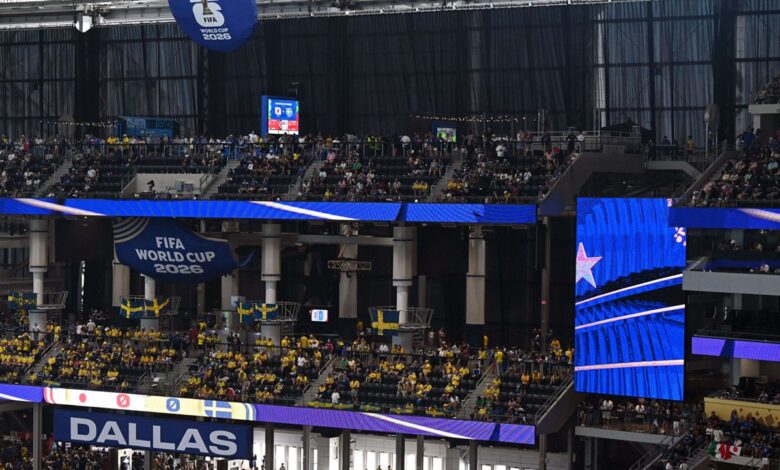
The 2026 FIFA World Cup, hosted across North America, is generating a commercial wave that extends well beyond ticket sales and merchandise. The Round of 16 matchup between Spain and Portugal, scheduled for July 6 at AT&T Stadium in Arlington, Texas, is drawing massive betting volumes and viewership projections that underscore the tournament’s status as the most economically significant sporting event ever staged on U.S. soil.
A Tournament That Is Rewriting North American Sports Economics
The Spain vs. Portugal fixture represents the kind of marquee collision that broadcast rights holders and sportsbooks have been anticipating since FIFA awarded the tournament to the United States, Canada, and Mexico. AT&T Stadium, one of the largest NFL venues in the country, provides a purpose-built commercial backdrop for a match that pits two of European football’s most bankable brands against each other in a knockout round.
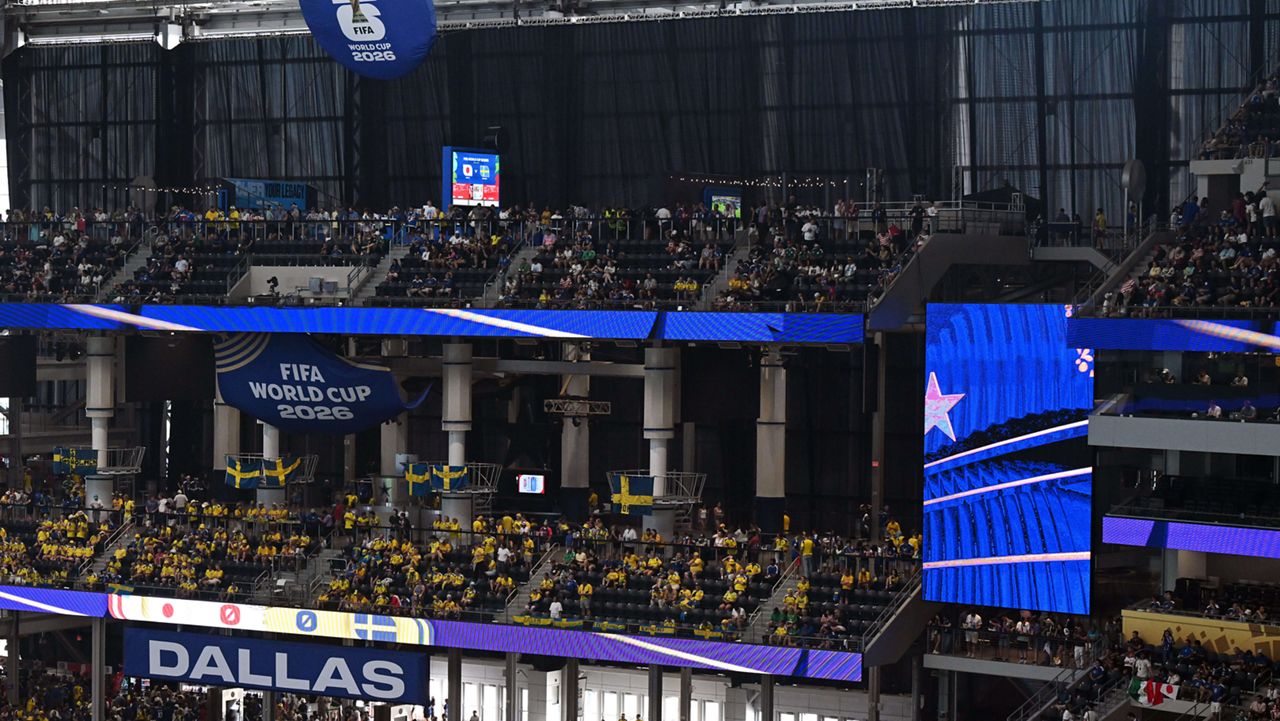
For context, the 2026 World Cup is the first edition expanded to 48 teams, stretching the tournament across more matches and more commercial inventory than any previous edition. That structural change translates directly into extended broadcast windows, additional betting markets, and a longer advertising cycle for sponsors.
Cristiano Ronaldo’s return to form, scoring his first goal of the tournament in Portugal’s 2-1 victory over Croatia, has amplified the commercial profile of this fixture considerably. Ronaldo remains one of the most globally recognized athletes, and his presence in a knockout round on U.S. soil is a material driver of international viewership numbers that feed directly into broadcast valuations.


Betting Markets and Broadcast Rights Signal the Financial Stakes
Sportsbooks including FanDuel have opened active markets on the Spain vs. Portugal match, with lines covering match outcome, qualification for the next round, and in-game prop bets. The depth of available markets reflects the maturation of legal sports betting in the United States, a sector that has grown from a standing start following the Supreme Court’s 2018 Murphy v. NCAA ruling to a multi-billion dollar annual revenue generator.
SportsLine analyst Jon Eimer, who carries a documented 25-16 run on recent picks, has publicly released best bets for the fixture, a sign of how deeply integrated sports analytics and wagering have become in the media ecosystem surrounding major tournaments. When credentialed analysts attach win-rate statistics to their public picks, it signals that betting handle on individual matches has reached a threshold where media organizations treat it as a standalone content vertical.
On the broadcast side, the match is being distributed across multiple platforms simultaneously, consistent with the fragmented but high-value rights structure that FIFA negotiated for this tournament. Streaming rights, linear television, and international distribution packages collectively represent the largest rights deal in World Cup history for the North American market.
Economic Ripple Effects Across the Host Region
The economic footprint of a match at AT&T Stadium extends into the Dallas-Fort Worth metropolitan economy through hotel occupancy, food and beverage spending, transportation, and retail. For a knockout round fixture involving two nations with large diaspora populations in the United States, the local spending multiplier is meaningfully higher than a group stage match between lower-profile teams.
The broader tournament is also functioning as a stress test for North American sports infrastructure at scale. As we noted in our recent analysis of the U.S. heat wave straining power grids and consumer spending, the summer 2026 environment is placing simultaneous pressure on utilities and hospitality sectors across multiple regions. AT&T Stadium’s climate-controlled environment mitigates the direct weather risk for this fixture, but the surrounding fan zones and transportation corridors remain exposed.
The underlying commercial logic is straightforward: a Spain vs. Portugal match in the Round of 16 is the kind of fixture that justifies the entire financial architecture of hosting the World Cup. Sponsors, broadcasters, and sportsbooks all benefit from the narrative tension of an Iberian derby at the knockout stage, and the presence of Ronaldo adds a layer of global commercial appeal that transcends the match result itself.
What to Watch in the Days Ahead
Beyond the July 6 result, the key financial indicators to monitor include reported betting handle figures from major sportsbooks, overnight hotel occupancy rates in the Arlington-Dallas corridor, and any broadcast viewership data released by rights holders in the 48 hours following the match. A deep run by either Spain or Portugal into the quarterfinals would extend the commercial cycle and add further inventory for sponsors and broadcasters operating in the tournament’s premium advertising windows.
Frequently Asked Questions about the 2026 World Cup’s Financial Impact
Why does a single World Cup match generate significant economic activity?
A high-profile knockout match like Spain vs. Portugal drives spending across multiple sectors simultaneously, including hospitality, transportation, retail, and digital media. The combination of international tourism, domestic viewership, and legal sports betting creates a concentrated economic event that local and national economies can measure in real time. For a match at a venue the size of AT&T Stadium, the direct and indirect spending impact runs into tens of millions of dollars for the host region.
How large is the legal sports betting market surrounding the 2026 World Cup?
The U.S. legal sports betting market has grown rapidly since the Supreme Court’s 2018 ruling, with annual revenues now measured in the tens of billions of dollars across all sports. The World Cup, as a global tournament with widespread name recognition, generates betting handle that rivals major domestic sporting events. Individual knockout matches between marquee nations can attract nine-figure betting volumes on platforms like FanDuel and DraftKings.
What makes the 2026 World Cup commercially different from previous editions?
The 2026 edition is the first expanded to 48 teams, which means more matches, more broadcast inventory, and a longer commercial cycle for sponsors. Hosting the tournament across the United States, Canada, and Mexico also places it in the world’s largest advertising market, where broadcast rights, streaming deals, and sponsorship valuations are structurally higher than in previous host nations. The combination of expanded format and North American market access makes this the highest-revenue World Cup in the tournament’s history.
How does Cristiano Ronaldo’s participation affect the commercial value of Portugal’s matches?
Ronaldo is one of the most followed athletes globally, with a social media audience that translates directly into viewership and sponsorship metrics. His presence in a knockout round fixture drives international broadcast ratings beyond what Portugal’s footballing standing alone would generate. For sponsors with global campaigns tied to the tournament, Ronaldo’s involvement in a high-profile match increases the value of their advertising inventory in that broadcast window.
What should investors and business operators watch as the tournament progresses?
Key metrics include reported betting handle from major sportsbooks, broadcast viewership data released by rights holders, hotel and hospitality occupancy rates in host cities, and sponsor activation performance. Companies with direct exposure to the tournament through broadcasting, hospitality, or consumer goods sponsorships will see measurable revenue impacts tied to how deep marquee nations advance. A final featuring a large-market nation like the United States, Brazil, or Spain would represent a peak commercial event for the North American market.
Stay ahead of the markets. Every day, LeGrebe delivers expert financial analysis on the trends and decisions shaping the North American and global economy, in under 5 minutes.