Fed Holds Rates Steady Amid 3-Year High Inflation, Signals Future Hikes Under New Chair Warsh

In a closely watched decision, the Federal Reserve announced it would hold its benchmark interest rate steady this week, a move that comes as the U.S. economy grapples with its highest inflation in three years. This announcement, the first under new Fed Chairman Kevin M. Warsh, signals a cautious approach to monetary policy, yet it was accompanied by hints that future rate increases remain on the table to combat persistent price pressures.
The decision underscores the delicate balancing act facing the central bank: supporting economic stability while reining in inflation that has proven more stubborn than anticipated. For businesses, investors, and consumers, the Fed’s stance has immediate implications for borrowing costs, investment strategies, and the overall economic outlook.
The Federal Reserve’s Latest Stance: A Cautious Hold
The Federal Reserve’s Monetary Policy Committee voted to keep the federal funds rate unchanged. This decision, widely anticipated by market analysts, reflects a period of assessment for the central bank as it navigates conflicting economic signals. While the economy has shown resilience, the ongoing challenge of elevated inflation clearly weighed heavily on policymakers.
According to reports from ABC News and NPR, the Fed’s announcement on Wednesday marked a continuation of its current rate strategy, but with a notable forward-looking statement. The central bank’s communication suggested a readiness to act if inflation does not trend back towards its target, hinting that the next move could indeed be an increase.
Inflation’s Stubborn Grip: A Three-Year High
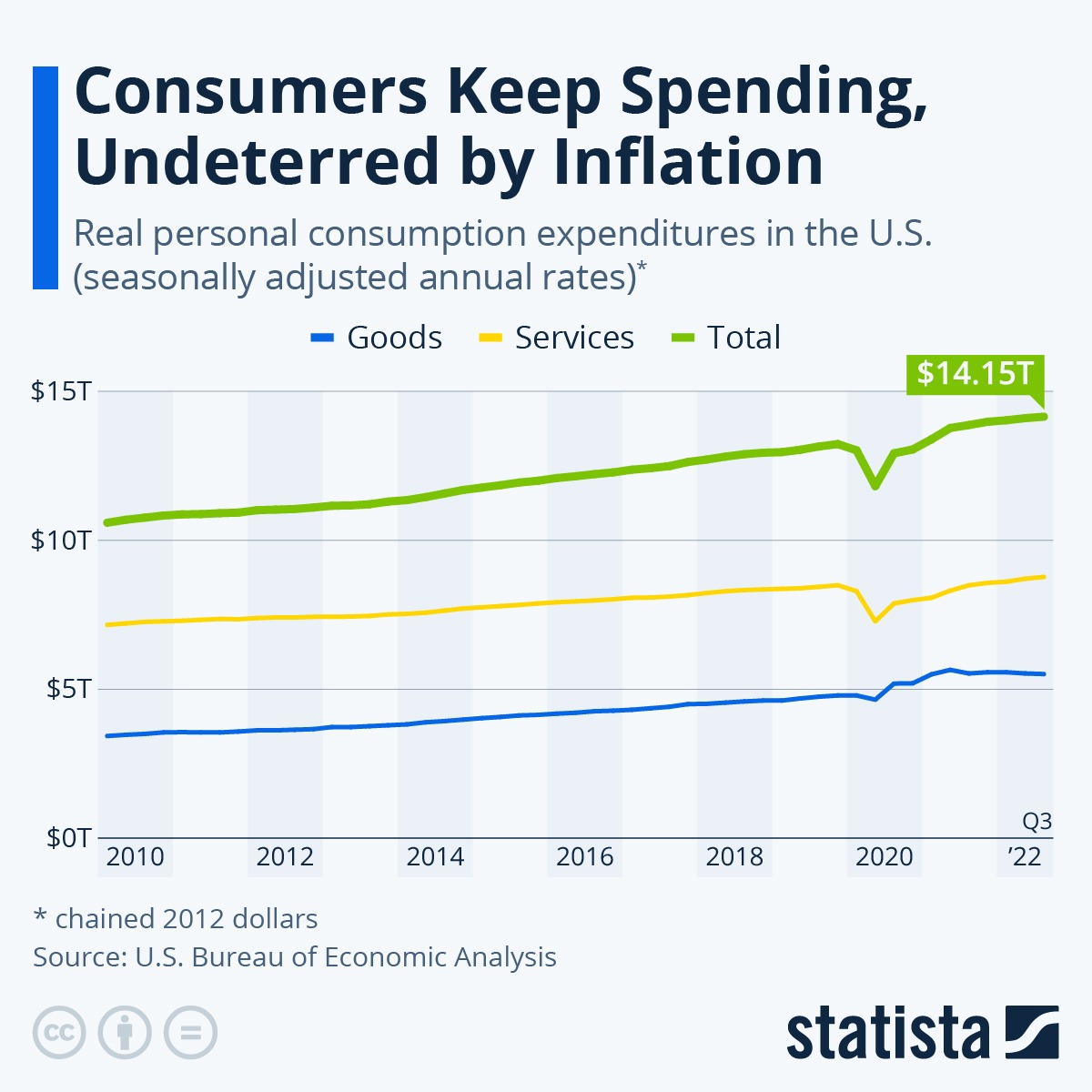
The backdrop to the Fed’s decision is an inflation rate that has climbed to a three-year high. This persistent upward pressure on prices impacts everything from daily consumer goods to long-term investment planning. The New York Times highlighted that Chairman Warsh vowed to start a ‘new chapter’ in the Federal Reserve’s oversight, emphasizing the commitment to stability amidst these inflationary challenges. This elevated inflation complicates the Fed’s mandate, as it must ensure price stability without stifling economic growth.
Across the Atlantic, other central banks are facing similar dilemmas. The Bank of England, for instance, also held interest rates steady this week, warning of rising inflation and citing the impact of geopolitical events as a major source of economic uncertainty, as reported by Morningstar.
Chairman Warsh’s New Chapter: A Hawkish Signal?
The latest rate decision marks a significant moment for newly appointed Fed Chairman Kevin M. Warsh. His leadership is expected to usher in a new era for the central bank’s approach to economic oversight. The hint at future rate hikes, despite the current hold, suggests a potentially more hawkish tilt under Warsh’s tenure, prioritizing inflation control.
This forward guidance is crucial for market participants who are keenly watching for clues on the future trajectory of monetary policy. A hawkish stance implies that the Fed is prepared to use higher rates as a tool to cool down the economy and bring inflation under control, even if it means potentially slower growth.
What This Means for Mortgages and Borrowing Costs
For everyday Americans, the Federal Reserve’s decision has direct implications, particularly for borrowing costs. While the federal funds rate is an overnight rate for banks, it influences a wide range of consumer and business loans, including mortgages, credit cards, and auto loans. The firsttuesday Journal provides weekly updates on trending mortgage rates, which are closely tied to the Fed’s policy signals.
A steady rate environment, even with hints of future hikes, can provide some short-term stability for those looking to finance purchases. However, the prospect of future increases means that borrowers should remain vigilant and consider how potential rate adjustments could impact their financial planning.
Energy Prices: A Potential Wildcard for Policy
One significant factor that could influence the Fed’s future decisions is the movement of energy prices. StoneX noted that cooling conflicts in the Gulf and easing energy costs could offer the Federal Reserve more flexibility, potentially allowing it to avoid immediate rate increases. Gasoline prices, in particular, often act as a wildcard, directly impacting consumer spending power and overall inflation metrics.
Should energy prices stabilize or decline, it could provide the Fed with breathing room, easing some of the inflationary pressures. Conversely, a resurgence in energy costs could strengthen the case for more aggressive monetary tightening in the future.
The Path Ahead: Navigating Economic Crosscurrents
The Federal Reserve’s decision to hold interest rates steady amidst high inflation, coupled with the new leadership of Chairman Warsh and hints of future hikes, paints a picture of a central bank cautiously navigating complex economic crosscurrents. The commitment to fighting inflation is clear, but the path forward remains dependent on evolving economic data, particularly inflation trends and geopolitical developments impacting commodity prices.
Investors and consumers alike will need to pay close attention to upcoming economic reports and future statements from the Federal Reserve. The