Fifty-six locations across 13 states, a brand-new Arizona outpost that drew crowds willing to queue in 100-degree heat, and 15 additional sites now confirmed through 2031. Buc-ee’s, the Texas-born mega-travel-center chain, is executing one of the most deliberate physical retail expansions in American consumer commerce right now, at a moment when brick-and-mortar retail broadly remains under structural pressure.
A Cult Brand Turns Into a National Retail Force
Buc-ee’s has long occupied a singular position in American retail: part gas station, part convenience store, part roadside destination. Its stores routinely exceed 50,000 square feet, offer hundreds of proprietary food and merchandise items, and generate consumer loyalty more commonly associated with theme parks than fuel stops. That emotional brand equity is now being converted into hard geographic footprint.
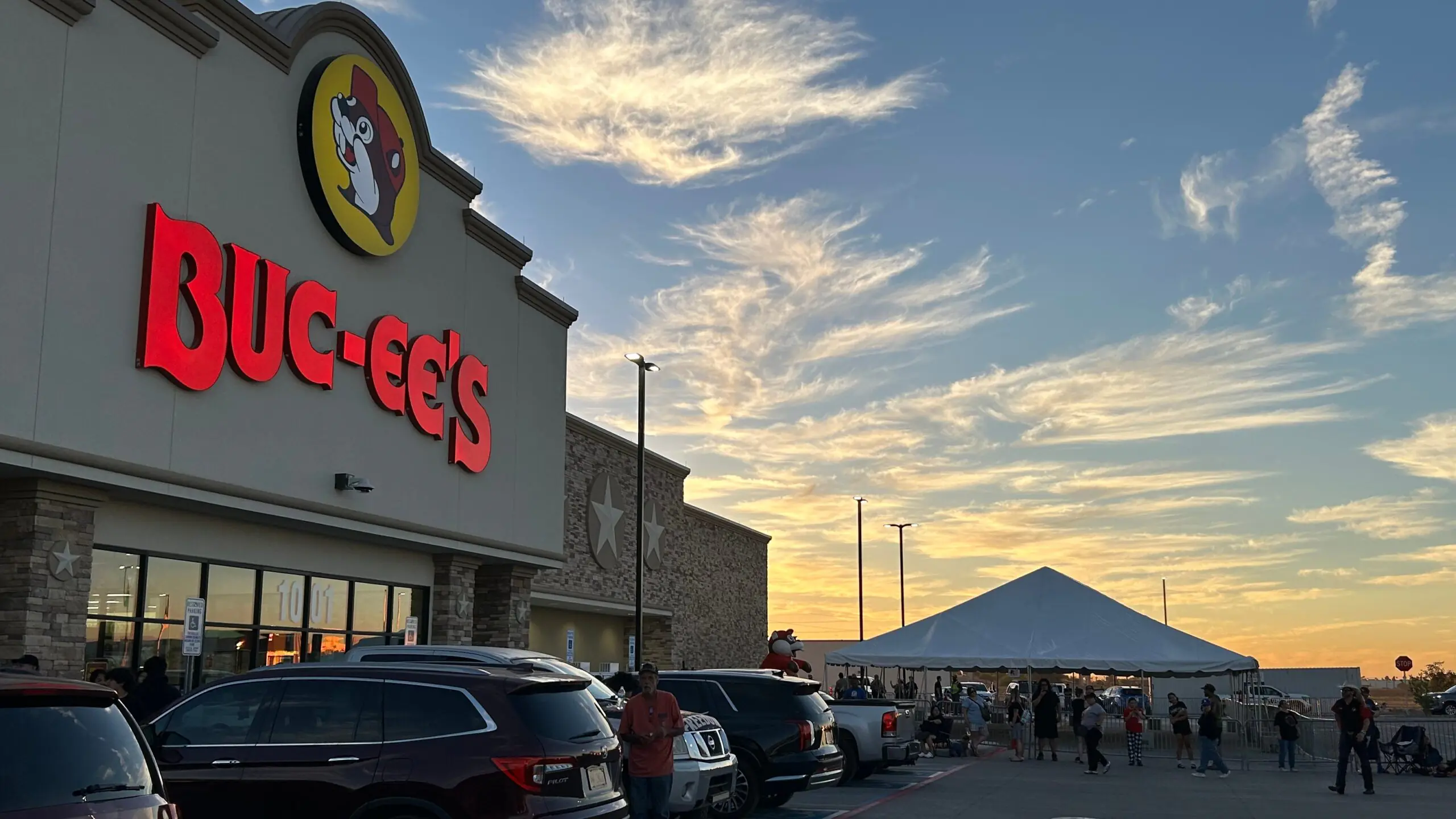
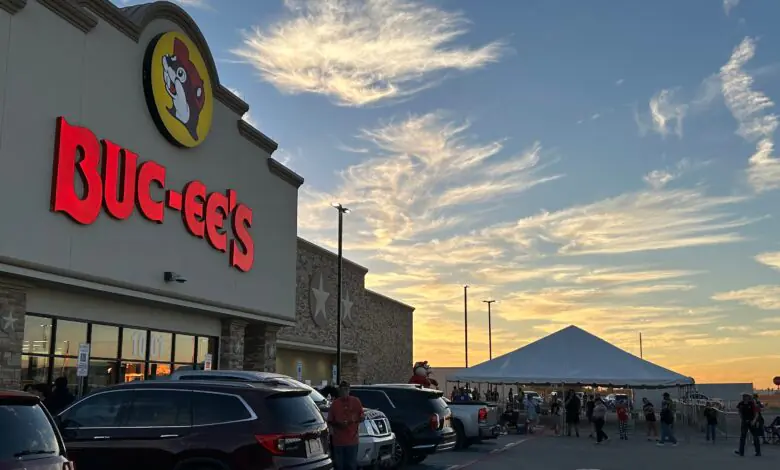
The opening of the chain’s first Arizona location this week crystallized the scale of consumer demand the brand commands. Reports from the opening described thousands of visitors, with fans reportedly camping ahead of the debut in triple-digit temperatures. That level of foot-traffic intensity at a single store opening is a retail operator’s dream, and it signals that Buc-ee’s brand pull travels well beyond its traditional Texas heartland.
The chain now operates 56 locations across 13 states, according to reports from FOX affiliates and Parade. The 15 newly announced sites, planned for completion through 2031, will extend the footprint further into states including Florida, Texas, and Tennessee, among others.



The Economics Behind the Expansion
Buc-ee’s business model is worth examining closely, because it inverts conventional convenience retail logic. Where most gas station operators treat fuel as the primary revenue driver and the store as ancillary, Buc-ee’s treats the in-store experience as the core product. High-margin proprietary merchandise, prepared food, and branded consumables drive the economics. Fuel is the traffic mechanism.
This model carries meaningful real estate and capital implications. Each Buc-ee’s location requires a large-format footprint, significant land acquisition, and infrastructure investment that dwarfs a standard convenience store build. The decision to commit to 15 new sites through 2031 represents a substantial capital allocation, reflecting management’s confidence in both consumer demand and the unit economics of each location.
- Current footprint: 56 locations across 13 U.S. states
- New sites announced: 15 additional locations planned through 2031
- Latest opening: First Arizona location, drawing thousands at debut
- Key expansion states: Florida, Texas, Tennessee, and others
For commercial real estate investors and regional economic development agencies, each new Buc-ee’s announcement carries tangible weight. The chain’s locations are known to anchor surrounding commercial activity, driving hotel, restaurant, and retail development in their immediate corridors. The 15 new sites represent not just one company’s capex cycle, but a series of local economic catalysts along major U.S. highway corridors.
What This Signals for Consumer Spending and Retail Real Estate
Buc-ee’s expansion is unfolding against a complex consumer backdrop. U.S. households remain under pressure from elevated prices and tighter credit conditions, yet discretionary road-trip spending has proven resilient. The travel retail segment, broadly defined, has outperformed expectations in the post-pandemic period, and Buc-ee’s is positioned squarely at the intersection of road travel and experiential retail.
The underlying signal here is that consumers continue to allocate spending toward experiences and travel, even as they pull back on big-ticket durables. A Buc-ee’s stop is not a necessity purchase; it is a chosen destination. That distinction matters for how analysts should read the chain’s expansion momentum as a consumer sentiment indicator.
For commercial real estate, the implications are equally direct. Large-format, destination-driven retail concepts are among the few categories actively absorbing highway-adjacent land at scale. In a market where traditional big-box retail has been contracting, Buc-ee’s represents a counter-cyclical growth story worth tracking.
Investors and analysts should watch the pace of site announcements and construction timelines closely over the next 12 to 18 months. Any acceleration or deceleration in the rollout will serve as a real-time read on both consumer confidence along U.S. travel corridors and the chain’s access to capital for continued build-out.
Frequently Asked Questions about Buc-ee’s National Expansion
How many Buc-ee’s locations are currently open in the United States?
As of this week, Buc-ee’s operates 56 locations across 13 U.S. states. The chain opened its first Arizona location this week, marking its entry into the state. An additional 15 sites have been announced for development through 2031.
What makes Buc-ee’s business model financially distinctive from other gas station chains?
Unlike conventional convenience retailers where fuel drives the majority of revenue, Buc-ee’s centers its economics on high-margin in-store merchandise, proprietary food products, and branded consumables. Fuel serves primarily as a traffic driver. This model supports stronger per-location revenue density and deeper consumer loyalty than a standard fuel-and-snacks format.
Which states are among the targets for the 15 newly announced Buc-ee’s locations?
According to reports from Men’s Journal and Parade, the newly announced sites include locations in Florida, Texas, and Tennessee, among other states. The full build-out is scheduled to be completed by 2031, representing a multi-year capital deployment program.
What does Buc-ee’s expansion mean for commercial real estate markets?
Each Buc-ee’s location typically anchors significant secondary commercial development in its surrounding corridor, including hotels, restaurants, and other retail. For commercial real estate investors, the 15 new announced sites represent potential catalysts for highway-adjacent land appreciation and new retail development activity in those markets.
Is Buc-ee’s a publicly traded company that investors can buy shares in?
Buc-ee’s remains a privately held company and is not listed on any public stock exchange, meaning direct equity investment is not available to retail investors. However, the chain’s expansion activity has indirect implications for publicly traded commercial real estate investment trusts (REITs), regional land developers, and consumer discretionary sector indicators.
Stay ahead of the markets. Every day, LeGrebe delivers expert financial analysis on the trends and decisions shaping the North American and global economy , in under 5 minutes.