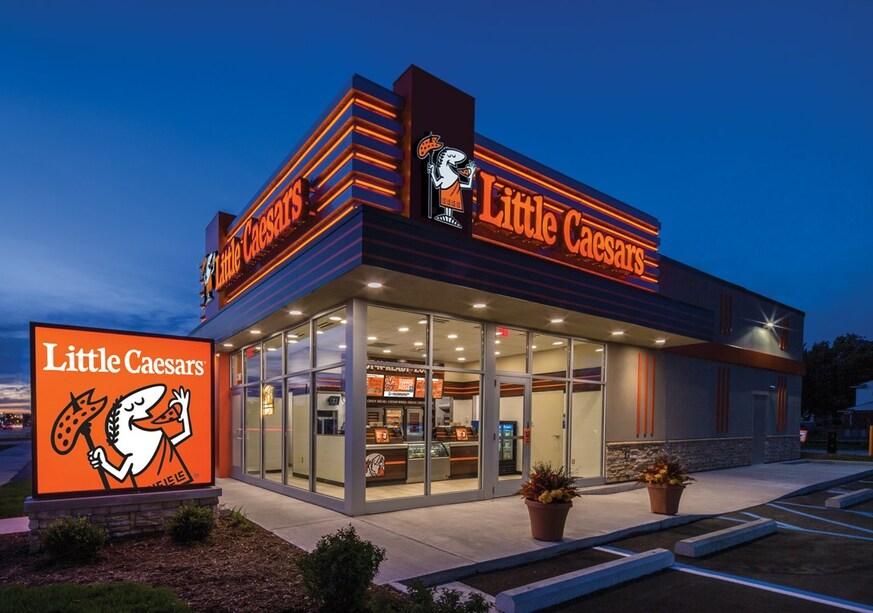
Little Caesars Pizza has partnered with Sony Pictures to launch a limited-edition menu item tied to the upcoming blockbuster Spider-Man: Brand New Day, a move that underscores the growing commercial muscle of entertainment-driven brand collaborations in the quick-service restaurant sector. The product, dubbed the “Webberoni Pizza,” features toasted cheese and a webbed pepperoni design, and is available now for a limited time across Little Caesars locations.
The Strategic Logic Behind the Webberoni
Film studio tie-ins with fast food chains are hardly new, but the scale and frequency of these deals have accelerated sharply as studios compete for audience mindshare ahead of major theatrical releases. For Little Caesars, the third-largest pizza chain in the United States by store count, this partnership with Sony Pictures represents a calculated push to drive foot traffic and brand visibility during what is expected to be one of the highest-grossing theatrical releases of 2026.
Sony Pictures, a subsidiary of Sony Group Corporation (NYSE: SONY), has a well-established playbook of consumer product partnerships ahead of major franchise releases. The Spider-Man franchise remains one of the most commercially potent intellectual properties in cinema, with cumulative global box office receipts across the franchise running into the tens of billions of dollars. Attaching that brand equity to a fast food product generates earned media, social engagement, and incremental store visits, all at a relatively modest cost compared to traditional advertising spend.
What the Deal Signals for QSR Marketing Trends
The Little Caesars and Sony arrangement is a textbook example of co-marketing at scale. Both parties extract measurable value: Sony amplifies pre-release awareness through Little Caesars’ extensive national footprint, while Little Caesars gains a culturally relevant hook to attract younger, franchise-loyal consumers who might otherwise default to a competitor.



For investors tracking the quick-service restaurant space, these limited-time offerings carry real financial weight. QSR operators have consistently demonstrated that scarcity-driven promotions, products available only for a defined window tied to an external event, generate above-average transaction volumes and social media impressions that translate into measurable same-store sales lifts. McDonald’s Travis Scott meal and the Grimace Shake phenomenon are recent precedents that illustrated just how dramatically a well-executed limited-time item can move the needle on quarterly results.
Little Caesars is privately held, so direct earnings data is not publicly available. However, the chain’s parent company, Ilitch Holdings, operates in a competitive landscape where Domino’s (NYSE: DPZ) and Pizza Hut (part of Yum! Brands, NYSE: YUM) are publicly traded and actively watched by analysts for comparable trends. Any evidence that entertainment tie-ins are driving meaningful traffic gains at Little Caesars will likely prompt analysts to scrutinize whether Domino’s and Yum! Brands are leaving similar opportunities on the table.
Broader Market Implications and the Entertainment-Commerce Nexus
The Webberoni Pizza launch also speaks to a broader structural trend: the convergence of entertainment IP and consumer commerce. Studios are under increasing pressure to maximize revenue per release as streaming has compressed theatrical windows and fragmented audience attention. Physical consumer product tie-ins, from fast food to apparel to collectibles, have re-emerged as a core monetization layer for major franchise films.
From a corporate strategy perspective, the deal reflects Sony’s disciplined approach to franchise management. Spider-Man: Brand New Day is positioned as a marquee summer release, and the Webberoni partnership ensures the film maintains a presence in everyday consumer environments, grocery runs, family dinners, and convenience stops, well beyond the multiplex.
The correction issued via PR Newswire shortly after the initial announcement, flagged by both StreetInsider and PR Newswire directly, suggests minor details in the original press release required adjustment. This is routine in major promotional launches and does not appear to affect the substance of the partnership or product availability.
Investors and brand strategists should watch whether the Webberoni drives measurable social engagement metrics in the days following launch, and whether Sony’s box office opening weekend for Spider-Man: Brand New Day reflects any uplift attributable to the fast food partnership. The entertainment-QSR nexus is becoming a reliable revenue lever, and its execution quality is increasingly a differentiator in both industries.
Frequently Asked Questions about the Little Caesars and Sony Spider-Man Pizza Partnership
What exactly is the Webberoni Pizza from Little Caesars?
The Webberoni Pizza is a limited-edition menu item launched by Little Caesars in partnership with Sony Pictures to promote the upcoming film Spider-Man: Brand New Day. It features toasted cheese and a webbed pepperoni design inspired by the Spider-Man character. The product is available for a limited time at Little Caesars locations across the United States.
Why do fast food chains partner with movie studios for product launches?
These co-marketing deals benefit both parties. Movie studios gain broad consumer exposure through the fast food chain’s national footprint and daily customer traffic, amplifying pre-release buzz at relatively low cost. Fast food chains, in turn, attract new and younger customers drawn by the franchise’s cultural cachet, and limited-time offerings historically drive above-average same-store sales during their promotional windows.
Which publicly traded companies are most relevant to this deal for investors?
Sony Group Corporation (NYSE: SONY) is the most directly relevant publicly traded entity, as Sony Pictures is the studio behind Spider-Man: Brand New Day. Little Caesars is privately held under Ilitch Holdings, so it is not directly investable. Comparable publicly traded QSR peers include Domino’s Pizza (NYSE: DPZ) and Yum! Brands (NYSE: YUM), whose performance can offer proxy insights into fast food industry trends.
How significant are limited-time offerings to fast food chain revenues?
Limited-time offerings, particularly those tied to major cultural events or entertainment releases, have proven to be meaningful drivers of short-term same-store sales growth for QSR operators. High-profile examples such as McDonald’s celebrity meal collaborations have demonstrated that scarcity and cultural relevance can generate outsized consumer response and media coverage, translating into measurable transaction volume increases during the promotional period.
What should investors watch for in the weeks ahead regarding this deal?
Key indicators to monitor include the opening weekend box office performance of Spider-Man: Brand New Day, which will signal the scale of the franchise’s current consumer pull. Social media engagement metrics around the Webberoni Pizza launch will also provide early evidence of whether the co-marketing campaign is resonating. For Sony (NYSE: SONY) shareholders, a strong theatrical opening supported by broad promotional activity could positively influence near-term revenue expectations for the studio segment.
Stay ahead of the markets. Every day, LeGrebe delivers expert financial analysis on the trends and decisions shaping the North American and global economy, in under 5 minutes.