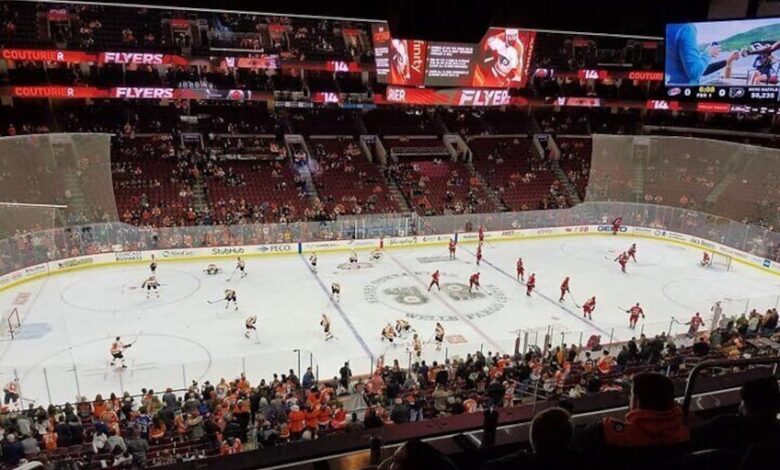
The Philadelphia Flyers just fired one of the most aggressive financial salvos in recent NHL history. On Friday, the Flyers tendered a five-year, $90 million offer sheet to Anaheim Ducks restricted free agent Leo Carlsson, at an average annual value of $18 million, which would make him the highest-paid player in the league. Carlsson has accepted. The Anaheim Ducks now have seven days to match the contract or lose their franchise center.
A Contract That Reprices the Center Market
The $18 million AAV figure is not a negotiating footnote. It is a market-moving number that instantly resets the compensation benchmark for elite NHL centers. To put it in context, the offer sheet surpasses the existing top contracts for forwards in the league and signals that the Flyers, under general manager Daniel Briere, are prepared to deploy serious capital to accelerate their rebuild.
Offer sheets are among the rarest and most financially consequential mechanisms in professional hockey. They allow any team to sign a rival’s restricted free agent to a binding contract, forcing the original team to either match the terms dollar-for-dollar or accept compensation picks. At the $18 million AAV level, the compensation package owed to Philadelphia if Anaheim declines to match would be substantial, likely involving multiple first-round draft picks under the NHL’s collective bargaining agreement structure.
Briere issued a formal statement confirming the tender, a move that carries both sporting and financial weight. The Flyers are not merely making a roster move. They are making a statement about where they see the franchise heading and what they are willing to pay to get there faster.



What the Numbers Mean for Both Franchises
For the Ducks, the calculus is stark. Matching a five-year, $90 million commitment to a young center ties up a massive portion of their salary cap for half a decade. Anaheim is a rebuilding franchise with its own financial architecture to manage. The seven-day window creates acute pressure on Ducks management to assess whether Carlsson, however talented, is worth that precise financial commitment at this precise moment in their rebuild cycle.
Key figures from the confirmed sources:
- Contract length: Five years
- Total value: $90 million
- Average annual value (AAV): $18 million
- Player status: Restricted free agent, meaning Anaheim retains matching rights
- Decision window: Seven days from acceptance
- Projected outcome if matched: Carlsson remains a Duck at the highest AAV in the league
- Projected outcome if not matched: Carlsson joins Philadelphia, Ducks receive compensation picks
For the Flyers, the financial risk is asymmetric but manageable. If Anaheim matches, Philadelphia loses nothing but time and leverage. If Anaheim declines, Philadelphia acquires a generational talent at a price the market has now formally validated. The Flyers also announced a one-year reunion deal with veteran forward Claude Giroux on the same day, suggesting a broader strategic push to reshape the roster heading into next season.
Broader Market Implications for Professional Sports Finance
The Carlsson offer sheet is a case study in how sports franchises increasingly operate as financial entities deploying capital with the precision of institutional investors. The $90 million commitment, spread over five years, functions like a long-duration asset on the Flyers’ balance sheet, with the expected return measured in playoff appearances, gate revenue, merchandise sales, and broadcast value rather than quarterly earnings.
This dynamic mirrors broader trends in professional sports valuation. As we noted in our recent analysis of Lukas Walton’s acquisition of a minority stake in the Chicago Bulls, institutional and high-net-worth capital is flowing into professional sports franchises at an accelerating pace, driving up both player valuations and franchise asset prices simultaneously.
The NHL’s salary cap structure means that a contract at $18 million AAV consumes a disproportionate share of any team’s available cap space, creating ripple effects across the league’s entire free agent market. Every team negotiating with a top-tier center in the next 12 to 24 months will reference Carlsson’s number as a floor, not a ceiling.
The next seven days are the critical window. Anaheim’s decision will either confirm the $18 million AAV as the new market rate for elite NHL centers or signal that even rebuilding franchises will absorb eye-watering cap commitments to protect their core assets. Either outcome reshapes the league’s financial landscape in a meaningful way.
Frequently Asked Questions about the Leo Carlsson NHL Offer Sheet
What is an NHL offer sheet and how does it work?
An offer sheet is a contract that any NHL team can tender to a rival team’s restricted free agent. The player’s original team then has seven days to match the contract exactly or let the player walk and receive compensation in the form of draft picks. The compensation level scales with the AAV of the contract, meaning higher-value deals require more picks to be surrendered.
Why is the $18 million AAV figure significant for the NHL?
At $18 million per year, Leo Carlsson’s offer sheet would make him the highest-paid player in the NHL by average annual value. This sets a new market benchmark for elite centers and will likely influence contract negotiations across the league for years. It also consumes a significant portion of any team’s salary cap, which sits at a defined ceiling under the collective bargaining agreement.
What happens if the Anaheim Ducks choose not to match?
If Anaheim declines to match the five-year, $90 million offer, Carlsson officially becomes a Philadelphia Flyer. The Ducks would receive compensation draft picks from Philadelphia, with the number and round of picks determined by the contract’s AAV under the NHL’s CBA formula. At $18 million AAV, the compensation package would be among the largest in league history.
What is the financial risk for the Philadelphia Flyers in this move?
The Flyers’ downside is limited if Anaheim matches: they lose no assets and simply continue their rebuild. If Anaheim does not match, Philadelphia commits $90 million over five years to a young center, which is a significant cap obligation but one they have clearly determined is worth the investment. The primary risk is that a long-term, high-AAV contract limits roster flexibility if the player underperforms or suffers injury.
What should investors and sports business observers watch in the next seven days?
The critical event is Anaheim’s matching decision, which must come within seven days of Carlsson’s acceptance. A decision to match confirms the $18 million AAV as the new market rate and signals that rebuilding franchises will protect core assets at almost any price. A decision not to match would be a major franchise inflection point for the Ducks and would validate the Flyers’ aggressive capital deployment strategy. Either outcome will have lasting implications for NHL player contract negotiations.
Stay ahead of the markets. Every day, LeGrebe delivers expert financial analysis on the trends and decisions shaping the North American and global economy , in under 5 minutes.