In a highly anticipated decision, the Federal Reserve, under its new Chairman Kevin M. Warsh, opted to keep its benchmark interest rate steady. The central bank maintained the rate within the 3.50% to 3.75% range for the fourth consecutive meeting on June 17, 2026. However, the announcement was far from a simple status quo, signaling a significant shift in the Fed’s approach to monetary policy under its new leadership.
Chairman Warsh used his inaugural meeting to usher in what he described as a “new chapter” for the Federal Reserve’s oversight of the U.S. economy. This new direction appears notably more hawkish, with a clear leaning towards fighting inflation through potential future interest rate increases, rather than focusing on rate cuts. This move has sparked considerable discussion among economists and investors, setting the stage for potentially more volatile markets and higher borrowing costs.
Chairman Warsh Charts a New Course for the Federal Reserve
The Federal Reserve’s decision to hold rates steady was widely expected, but the accompanying rhetoric from Chairman Kevin M. Warsh marked a departure from previous communications. Warsh’s vow to start a “new chapter” suggests a more assertive and perhaps less transparent Fed, focused intently on taming inflation. For decades, the Fed has gradually moved towards greater transparency, but Warsh’s gamble, as some analysts describe it, could mean a quieter central bank, potentially leading to more unpredictable market reactions.
This shift comes amid an economy where inflation has reached a three-year high, forcing many families to make tougher choices to keep up with rising costs. While the Fed’s latest inflation outlook offered some relief to Wall Street, the underlying message is clear: interest rates are likely headed higher later this year if inflation persists. The central bank’s preferred inflation gauge, the Personal Consumption Expenditures (PCE) index, is expected to show faster inflation, reinforcing the hawkish consensus at the Fed.
Impact on Borrowing Costs and Consumer Wallets
For everyday Americans, the Fed’s decision to hold rates steady means that credit card rates, which typically track the federal funds rate, have also remained near their elevated levels. As of June 17, 2026, credit card rates held steady at 19.56%. While this specific decision didn’t immediately push rates higher, the hawkish tone from Chairman Warsh suggests that future rate hikes are a strong possibility, which would directly translate to higher costs for consumers carrying credit card balances or seeking new loans.
The emphasis on fighting inflation, even at the risk of higher rates, underscores the Fed’s commitment to price stability. This could mean a period where borrowing becomes more expensive across the board, affecting everything from mortgages to auto loans, as the central bank prioritizes long-term economic health over short-term stimulus.
Market Reactions and Future Expectations
The market’s initial reaction to the Fed’s announcement was mixed. While specific stocks like Costco saw their performance less impacted by the Fed’s decision, the broader sentiment points to increased caution. Investors are now closely watching for any further signals regarding the timing and magnitude of future rate increases. The prospect of a less communicative Fed under Warsh could introduce more uncertainty, potentially leading to greater market volatility.
Analysts are particularly focused on how the Fed’s new stance will interact with ongoing global economic factors, such as U.S.-Iran talks and upcoming earnings reports from key companies. The overall consensus is that the Fed is leaning towards fighting inflation with future increases, a strategy that could prolong the period of higher interest rates and influence investment decisions across various sectors.
What to Watch Next
The coming months will be crucial for understanding the full implications of Chairman Warsh’s new chapter at the Federal Reserve. Market participants will be scrutinizing every public statement and economic data release for clues on the Fed’s next move. Key indicators to watch include:
- Inflation Data: The Fed’s preferred inflation gauges, especially the PCE, will be critical in shaping future policy decisions. Any signs of persistent or accelerating inflation will likely reinforce the hawkish stance.
- Economic Growth: While the focus is on inflation, the Fed will also monitor economic growth and employment figures to ensure that its policies do not unduly stifle economic activity.
- Chairman Warsh’s Communications: How the new Chairman chooses to communicate the Fed’s intentions will be vital. A quieter Fed could mean that market reactions to policy changes become more pronounced.
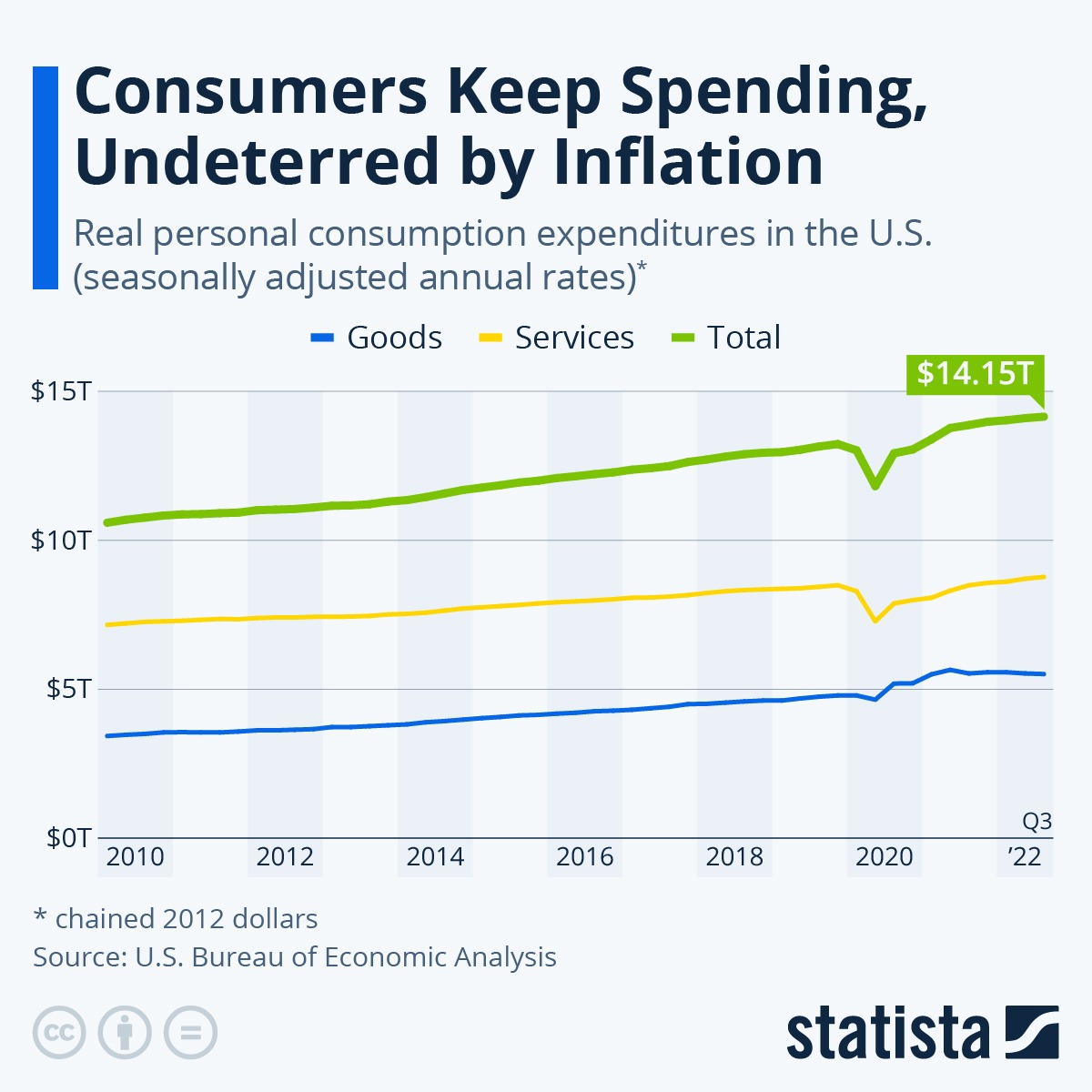
- Consumer Spending: Data on consumer sentiment and spending will indicate how households are coping with current economic conditions and potential future rate hikes.
In essence, the Federal Reserve has drawn a line in the sand: inflation control is paramount. While interest rates remain steady for now, the message from Chairman Warsh is clear – prepare for a sustained battle against rising prices, potentially through higher borrowing costs in the near future.