In a highly anticipated move, the Federal Reserve has opted to keep its benchmark interest rate steady, marking the first major policy decision under new Chairman Kevin M. Warsh. While rates remain unchanged for now, the central bank’s latest announcement carries a distinct hawkish tone, signaling that future rate increases are firmly on the table as the Fed intensifies its battle against persistent inflation.
This decision comes at a critical juncture, with inflation hitting a three-year high and the U.S. economy navigating complex global dynamics. Chairman Warsh, vowing to usher in a ‘new chapter’ in the Fed’s oversight, faces the immediate challenge of reining in price pressures without stifling economic growth. The unanimous agreement by officials to leave rates unchanged, coupled with a clear hint at potential future hikes, underscores a cautious but determined approach to monetary policy.
Chairman Warsh’s Debut: A Hawkish Hint
At his inaugural meeting as chairman, Kevin Warsh guided the Federal Reserve to maintain its current interest rate levels. However, the accompanying statements and projections revealed a significant shift in sentiment among policymakers. Nearly half of the Fed’s officials indicated that a rate hike is now more likely this year than a rate cut, a stark contrast to previous outlooks.
This hawkish tilt is a direct response to resurgent inflation, which has become a primary concern for the central bank. While the Fed refrained from immediate action, the message is clear: the era of potentially lower rates is receding, replaced by a readiness to tighten monetary policy further if inflationary pressures persist or intensify. This strategic pause allows the Fed to assess incoming economic data while preparing markets for potential future adjustments.
Inflation’s Persistent Challenge and the Path Forward
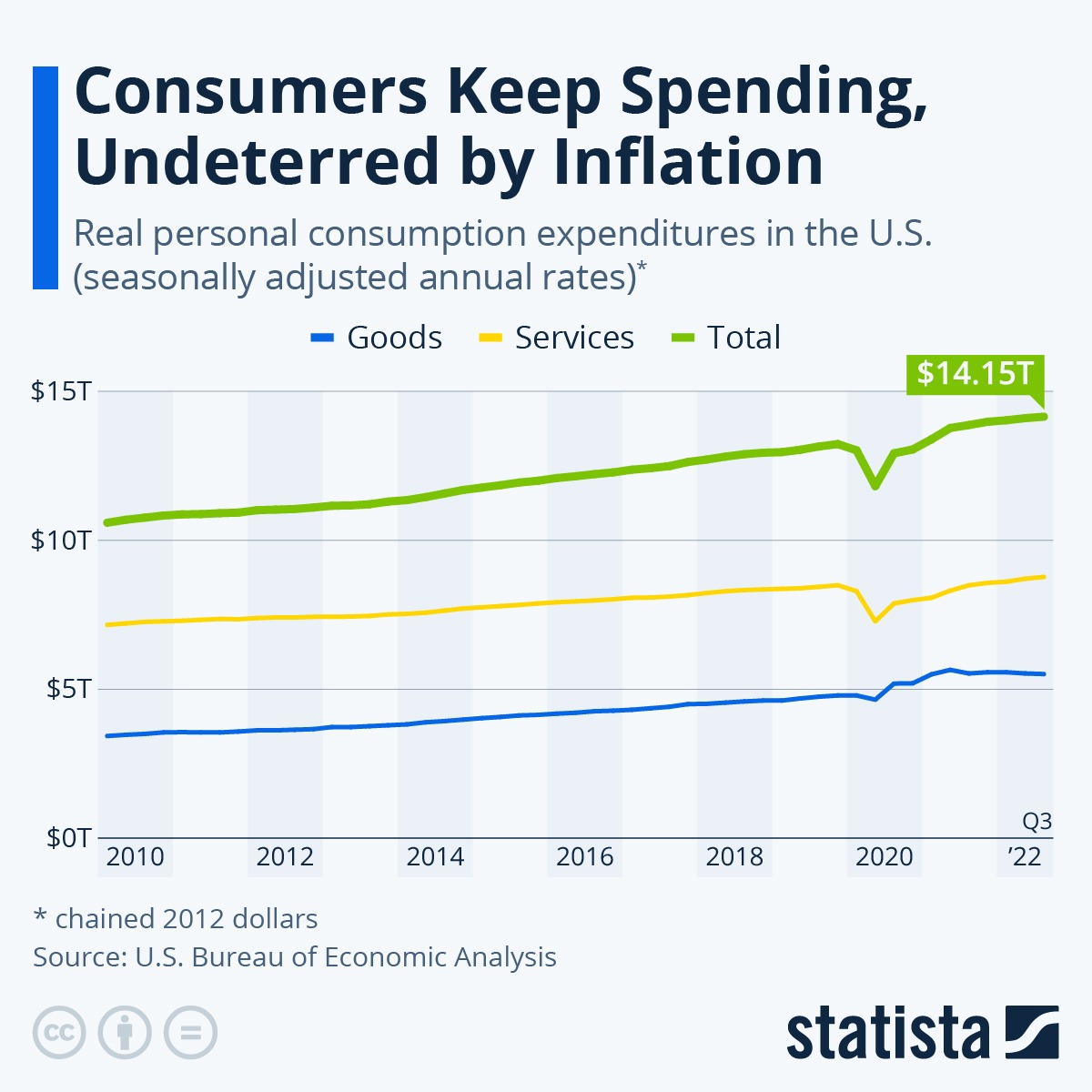
The backdrop to the Fed’s decision is an economy grappling with its highest inflation in three years. This elevated inflation rate is a key driver behind the central bank’s cautious yet forward-looking stance. Chairman Warsh’s administration is clearly prioritizing price stability, even if it means a path of higher borrowing costs for consumers and businesses.
For the average American, this could translate into higher rates on mortgages, car loans, and credit card debt in the coming months if the Fed proceeds with additional hikes. Businesses might also face increased borrowing costs, potentially impacting investment and expansion plans. The Fed’s commitment to fighting inflation, as articulated by Chairman Warsh, suggests a sustained effort to bring price increases back to more manageable levels.
Market Reactions and What Investors Should Watch
Financial markets have been closely scrutinizing the Fed’s signals. While the immediate decision to hold rates steady offered some short-term stability, the hint of future hikes has introduced a degree of uncertainty. Investors will now be keenly watching for several key indicators:
- Inflation Data: Upcoming Consumer Price Index (CPI) and Producer Price Index (PPI) reports will be crucial. Any signs of inflation cooling could alleviate pressure on the Fed, while persistent high readings will reinforce the need for further tightening.
- Economic Growth: The Fed must balance inflation control with economic health. Strong employment figures and GDP growth might give the Fed more leeway to raise rates, whereas signs of an economic slowdown could complicate their strategy.
- Chairman Warsh’s Commentary: As the new leader, Warsh’s public statements and congressional testimonies will provide critical insights into the Fed’s evolving thinking and future policy direction.
The central bank’s decision marks a significant moment, signaling a new phase in monetary policy under Chairman Warsh. The focus remains squarely on taming inflation, with the door left open for future rate increases. This measured but firm approach underscores the Fed’s commitment to long-term economic stability, even if it means navigating a period of potentially higher interest rates.