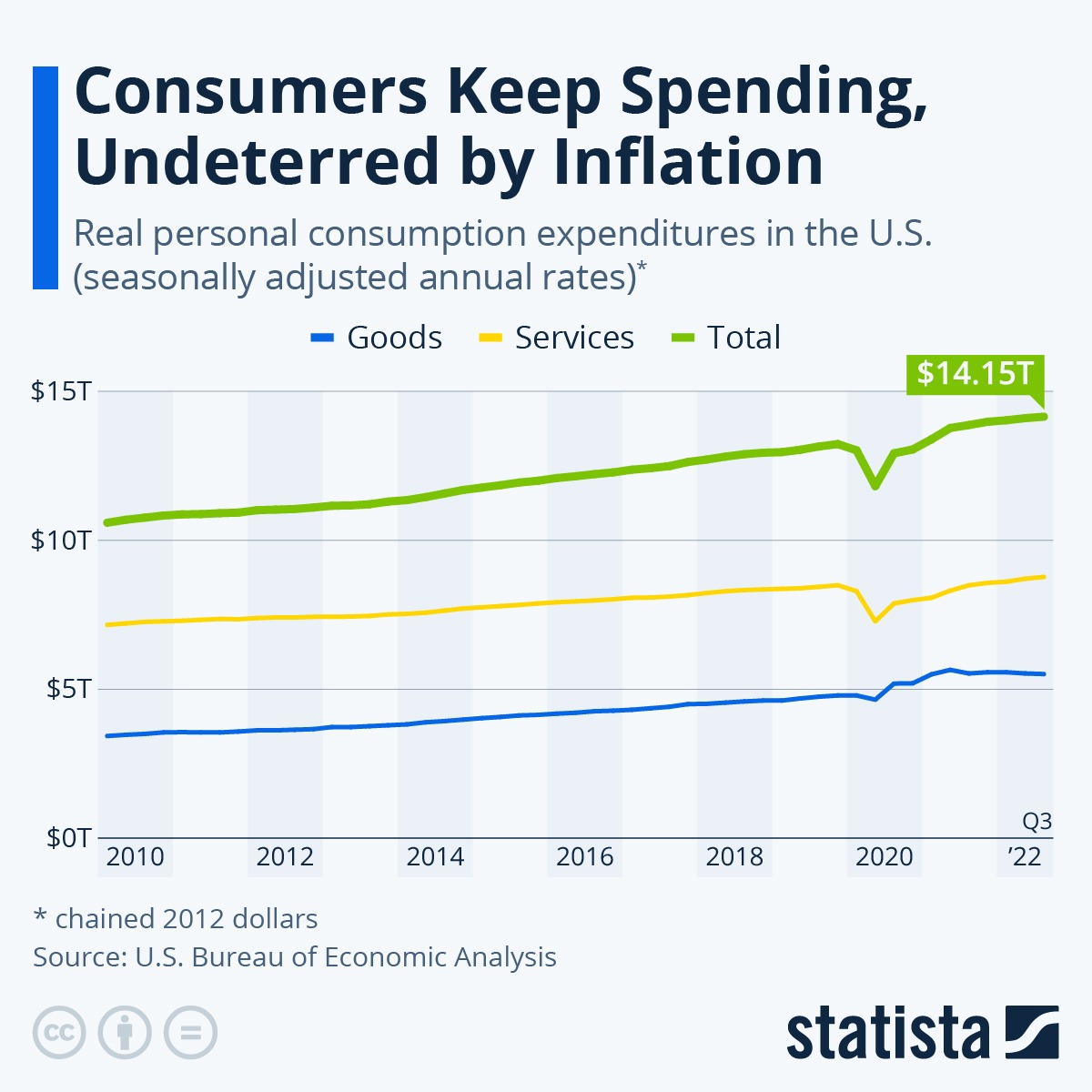
For months, the financial markets have been fixated on a singular question: When will the Federal Reserve begin cutting interest rates? Yet, recent economic data and expert commentary suggest a significant shift in this narrative. The long-anticipated rate cuts are facing considerable headwinds, with some analysts even contemplating the possibility of another rate hike rather than a reduction.
Inflation’s Stubborn Grip Challenges Rate Cut Hopes
The latest Consumer Price Index (CPI) figures paint a challenging picture for the Federal Reserve. In April, inflation registered an annualized rate of 3.8%, nearly double the central bank’s long-standing 2% target. This persistent inflationary pressure, fueled in part by rising oil prices and geopolitical tensions, is now permeating broader sectors of the economy, extending beyond just energy costs to areas like housing, travel, and everyday essentials. This widespread inflation makes the Fed’s job of achieving its target even more complex, raising questions about the efficacy of current monetary policy. As noted by Fortune, “Energy shocks tied to Middle East turmoil are now feeding into housing, travel and everyday essentials, leaving Kevin Warsh’s Fed with a tough choice.”
Expert Warnings: Higher Rates for Longer?
The prospect of prolonged higher interest rates has been underscored by influential voices. Former Fed Chair Kevin Warsh’s recent remarks, as highlighted by Yahoo Finance, suggest that interest rates could remain elevated for years. Warsh has also urged the central bank to reconsider its approach to measuring underlying inflation, advocating for alternatives to its standard gauge, according to the Wall Street Journal. This perspective adds weight to the argument that the Fed might need to maintain a restrictive stance for longer than markets initially anticipated, potentially even defying expectations for cuts in the near term.
Bond Markets Brace for a Potential Hike
The bond market, often a bellwether for future Fed policy, is already reflecting this shifting sentiment. Bond traders are reportedly betting on the U.S. economy being robust enough to warrant a further interest rate increase from the Federal Reserve. These wagers are now poised for a “gut check” from upcoming jobs data, as reported by Bloomberg.com. A strong jobs report could solidify these expectations, putting additional pressure on the Fed to consider a more aggressive stance to combat inflation.
A Nuance in Consumer Credit: Credit Card Rates Decline
While the broader economic indicators point towards potential rate hikes or prolonged high rates, there’s a specific nuance in consumer credit. Credit card interest rates have recently seen a decline, falling to an average of 19.57%, marking their lowest level in several months. This downward trend in credit card APRs, noted by eciks.org, suggests a segmented market response. It’s important to differentiate this consumer lending trend, which could be influenced by competitive pressures among lenders or a lagging response to earlier market conditions, from the Federal Reserve’s overarching monetary policy decisions that target broad economic stability and inflation control.
What Investors Should Watch Next
The immediate focus for investors will be on upcoming economic data, particularly the jobs report. Strong employment figures could reinforce the narrative of a resilient economy capable of absorbing higher rates, potentially pushing the Fed towards a more hawkish stance. Beyond employment, future inflation readings will be crucial. Any signs of inflation re-accelerating or proving more entrenched could force the Federal Reserve’s hand, leading to policy adjustments that could surprise markets.
The Path Ahead for Monetary Policy
The current environment presents a complex challenge for the Federal Reserve. Balancing the need to tame inflation with the risk of stifling economic growth is a delicate act. While market participants initially hoped for a series of rate cuts, the reality of persistent inflation and a strong labor market is pushing expectations towards a “higher for longer” scenario, with a non-zero probability of another rate hike. Investors should remain vigilant, closely monitoring economic data and Fed communications, as the trajectory of interest rates will significantly impact asset valuations and borrowing costs across the economy.