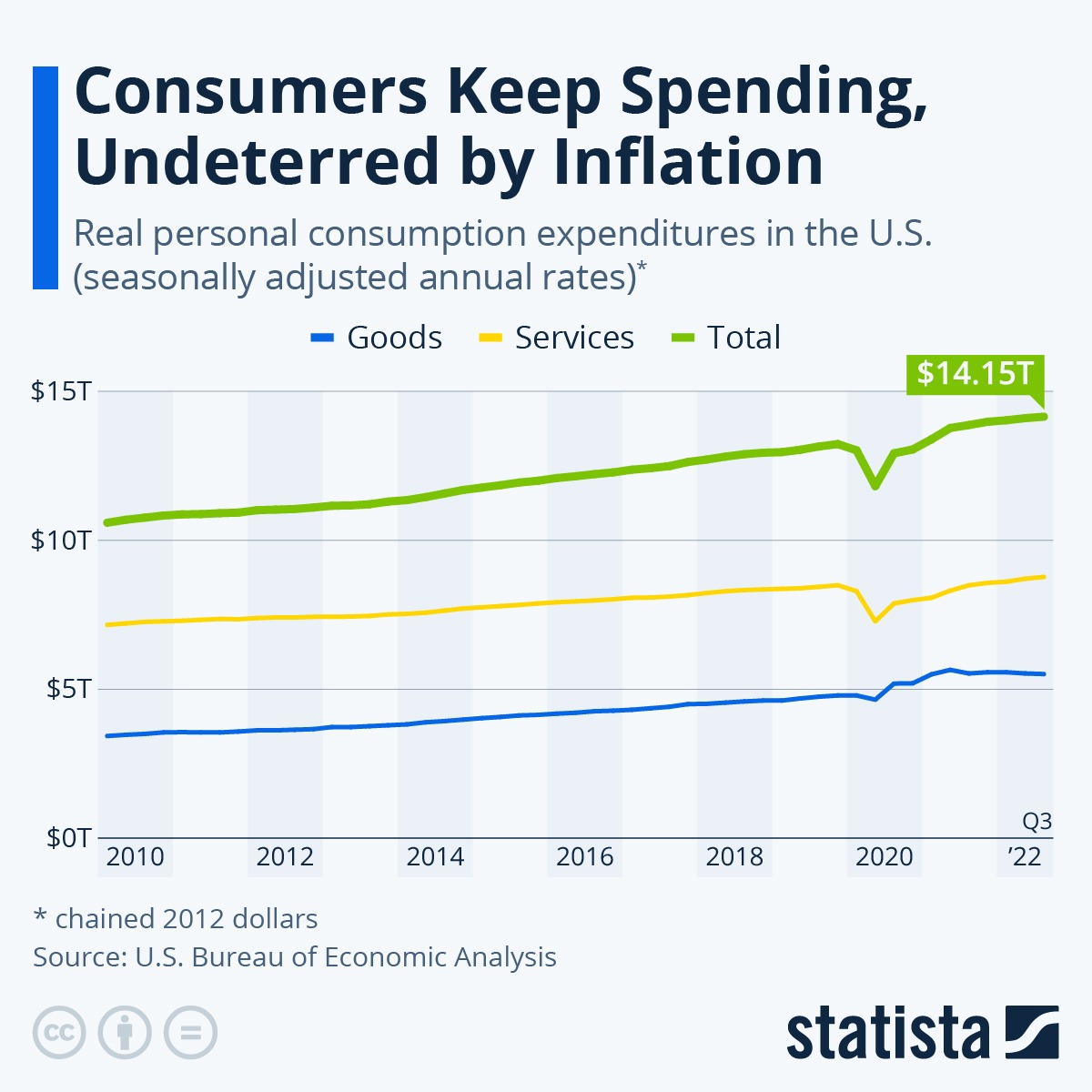
The specter of rising prices is once again casting a long shadow over the U.S. economy, pushing Federal Reserve officials into a renewed debate over the trajectory of interest rates. What was once seen as a period of steady rates or even potential cuts is now giving way to serious discussions about the need for further tightening, driven by an inflation surge that has hit a three-year high.
Mounting Inflation Challenges the Economic Outlook
Recent economic data reveals a concerning trend: inflation accelerated in April 2026, marking a 3.8% increase since April 2025. This surge, the highest in three years, is largely attributed to spiking gas prices and higher food costs, which are eroding Americans’ income and spending power. This isn’t just a localized issue; inflation is reportedly spreading throughout the U.S. economy, creating a critical challenge for the Federal Reserve.
Federal Reserve Officials Signal a Hawkish Shift
Federal Reserve officials are now openly signaling that the U.S. central bank may need to raise interest rates in the future. This sentiment is gaining traction amidst concerns that the war in the Middle East and other factors could exacerbate inflation risks, according to Reuters. While some policymakers, like Fed Governor Michelle Bowman, have cautioned against hiking rates specifically due to the current inflation spike, the dominant narrative appears to be shifting towards a more hawkish stance, as reported by CNBC.
The debate is active among the twelve Fed officials who vote on interest rates, as detailed by The Wall Street Journal. While President Trump awaits Senate confirmation of his new Federal Reserve chair nominee, Kevin Warsh, current Fed Chair Jerome Powell will continue to lead these critical discussions. The U.S. Chamber of Commerce previously suggested that businesses should expect interest rates to remain steady, with cuts unlikely until late 2026, due to rising inflation and solid economic data. However, the latest signals from more Fed policymakers suggest this outlook might be challenged.
Adding another layer to the complexity, the debate also includes the potential impact of Artificial Intelligence (AI) on the economy, with some officials considering how it might influence future inflation and growth trajectories, notes Finance & Commerce.
Market and Economic Implications of Potential Rate Hikes
A potential shift towards rate hikes could have significant implications. For consumers, higher rates mean increased borrowing costs for everything from mortgages and car loans to credit card debt. Businesses would face higher costs of capital, potentially impacting investment, expansion, and hiring decisions. The stock market, which has seen gains partly due to expectations of stable or lower rates, could react negatively to a more aggressive Fed stance. Persistent inflation, coupled with a slower economic growth pace observed in the first quarter, presents a challenging environment. High gas prices, while inflationary, also reduce household spending power, creating a delicate balancing act for monetary policy, as highlighted by NPR.
Key Factors to Watch in the Coming Weeks
Investors and consumers should closely monitor several key indicators. The ongoing trajectory of inflation, particularly energy and food prices, will be paramount. Any further escalation in geopolitical tensions, such as the war in the Middle East, could fuel commodity prices and intensify inflationary pressures. The Federal Reserve’s official statements and speeches from its voting members will provide crucial insights into the evolving consensus. Additionally, the pace of economic growth and consumer spending data will offer clues on how the economy is absorbing current price levels and potential policy changes.
The Delicate Balance: Risks and Counterarguments
The primary risk of hiking rates is stifling economic growth. As Fed Governor Bowman highlighted, raising rates solely in response to a specific inflation spike could be detrimental if the underlying economic conditions don’t warrant broader tightening. There’s a delicate balance to strike: curb inflation without pushing the economy into a slowdown. Furthermore, external pressures, such as political considerations (e.g., President Trump’s concerns about high gas prices potentially preventing rate cuts), add another layer of complexity to the Fed’s independence and decision-making process. The Bank of England, for instance, has indicated a willingness to tolerate inflation temporarily above its target to support a weak economy, illustrating an alternative approach to managing similar challenges, according to Bloomberg.
Our Take: A Critical Juncture for Monetary Policy
The Federal Reserve finds itself at a critical juncture. The recent inflation data, marking a three-year high, undeniably strengthens the case for a more cautious, potentially hawkish, monetary policy. While a consensus for immediate rate hikes isn’t fully formed, the public signaling from multiple officials suggests a significant shift in the internal debate. The market may need to adjust its expectations from a ‘wait-and-see’ approach to anticipating a more proactive stance from the Fed if inflation proves to be more entrenched than previously thought. The coming weeks will be crucial in observing how these discussions translate into concrete policy signals and how the economy responds to these evolving dynamics.