Inflation Hits 3-Year High: How Rising Prices Are Squeezing Consumers & Challenging Central Banks

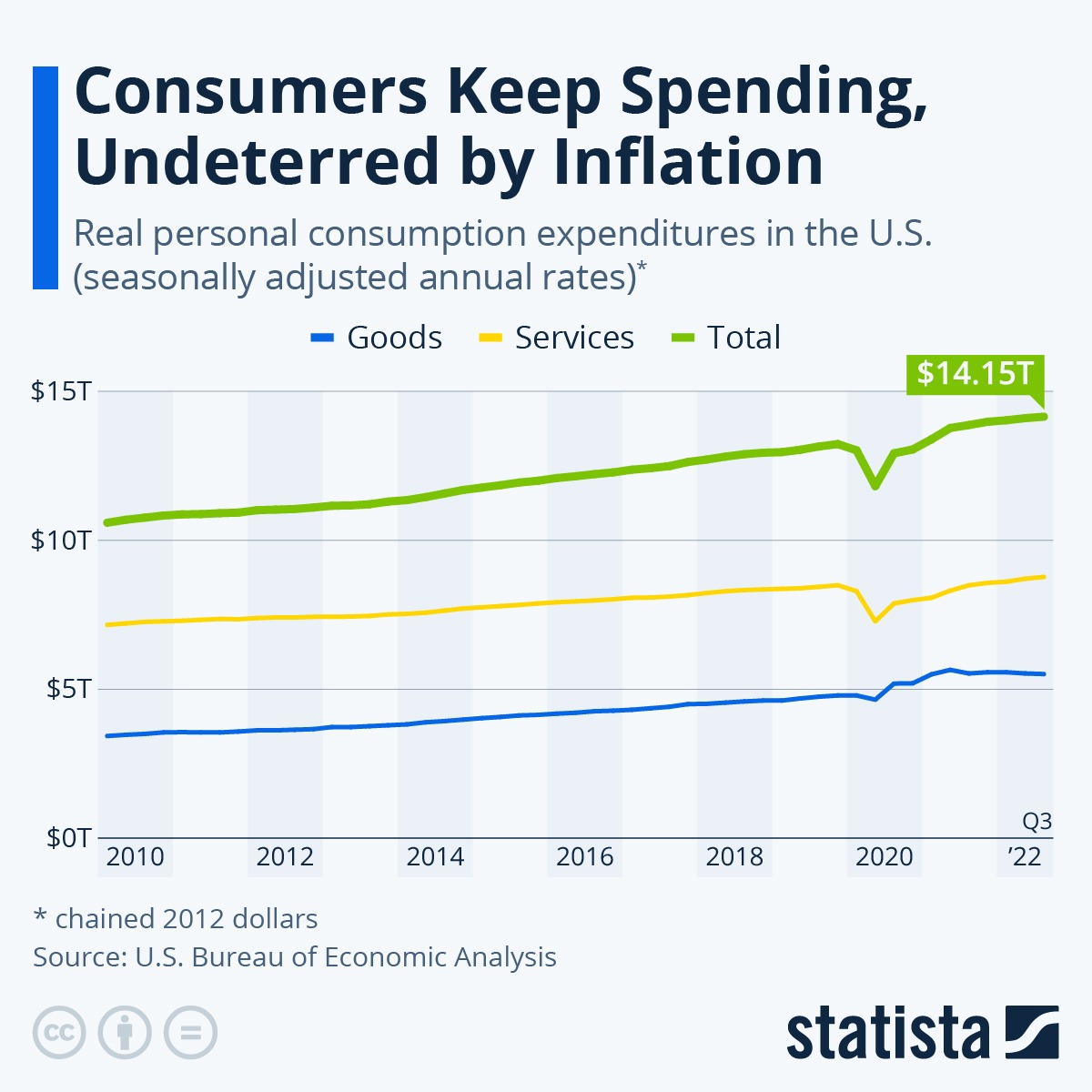
The specter of inflation is once again casting a long shadow over the global economy, with recent reports indicating that price increases have reached a three-year high. This surge, fueled by a combination of geopolitical tensions and robust demand, is not only impacting household budgets but also presenting a formidable challenge to central banks worldwide, including the Federal Reserve and the European Central Bank (ECB).
The latest data from April 2026 reveals a 3.8% increase in inflation since April 2025, marking the highest rate recorded in three years. What began as an energy shock, largely tied to ongoing turmoil in the Middle East, is now visibly seeping into broader sectors of the economy. Consumers are feeling the pinch as rising prices extend beyond gas to affect housing, travel, and a wide array of everyday essentials. This pervasive inflation is directly impacting incomes and pushing the saving rate to an almost four-year low, according to Bloomberg and Financial Post reports.
Geopolitical Tensions Fueling Price Pressures
A significant driver behind the current inflationary environment is the ongoing war in Iran. This conflict has had a direct impact on global energy markets, leading to higher gas prices. However, the ripple effect is proving to be far more extensive than initially anticipated. As energy costs rise, they contribute to increased expenses for transportation, manufacturing, and services, which are then passed on to consumers.
The economic fallout from these geopolitical events is particularly acute in regions directly affected. For instance, Iran’s economy is reportedly reeling from the war and sanctions, facing staggering inflation and negative growth, which economists warn could push millions into poverty.
Consumer Spending Under Strain
The widespread inflationary pressures are having a tangible effect on consumer behavior. US consumer spending in April merely edged up, a clear indication that war-driven inflation is eroding purchasing power. With incomes being sapped by higher costs, households are finding it increasingly difficult to maintain previous spending levels, leading to a noticeable slowdown in economic activity.
This squeeze on consumer finances is a critical concern for economic stability. When discretionary spending declines, it can dampen overall economic growth and create headwinds for businesses that rely on robust consumer demand.
Central Banks Face Tough Choices
The resurgence of inflation is putting central banks in a precarious position. For the Federal Reserve, the 3-year high in inflation, coupled with the Middle East conflict, has led more policymakers to eye possible rate hikes in the future. Reuters reported that Federal Reserve officials continued to signal the U.S. central bank may need to raise interest rates if inflation risks continue to rise. However, this sentiment is not unanimous, with Federal Reserve Governor Michelle Bowman cautioning against raising interest rates to address the current spike in prices, as noted by CNBC.
Similarly, the Eurozone is grappling with its own inflation challenges. Forecasts suggest that Eurozone inflation is set to increase further, which may prompt the European Central Bank (ECB) to act at its upcoming June meeting, potentially considering a rate hike to curb rising prices, as highlighted by Morningstar.
The decision to raise interest rates is a delicate balancing act. While rate hikes can help cool inflation by making borrowing more expensive and slowing economic activity, they also carry the risk of stifling growth and potentially tipping the economy into a downturn. Central bankers must weigh the urgency of controlling inflation against the potential for economic contraction.
What to Watch Next
Investors and consumers should closely monitor several key indicators in the coming months. The trajectory of geopolitical events, particularly in the Middle East, will remain a critical factor influencing energy prices and, by extension, broader inflation. Further, upcoming inflation reports will provide crucial insights into whether price pressures are stabilizing or continuing to spread.
Perhaps most importantly, the communications and actions of the Federal Reserve and the ECB will be under intense scrutiny. Any signals regarding future interest rate adjustments will have significant implications for mortgage rates, consumer borrowing costs, and overall market sentiment. The debate within these institutions, as evidenced by differing opinions among Fed officials, underscores the complexity of the current economic landscape.
The current inflationary environment is a stark reminder of the interconnectedness of global events and domestic economic stability. As prices continue to climb, the ability of central banks to navigate these challenging waters without derailing economic growth will be a defining theme for the foreseeable future.