The Federal Reserve finds itself at a critical juncture, navigating a complex economic landscape where rising inflation, exacerbated by geopolitical tensions, clashes with cautious calls against aggressive monetary tightening. Recent statements from Fed officials reveal a growing divergence in opinion regarding the path of interest rates, creating uncertainty for markets and consumers alike.
Inflationary Pressures Mount Amid Geopolitical Turmoil
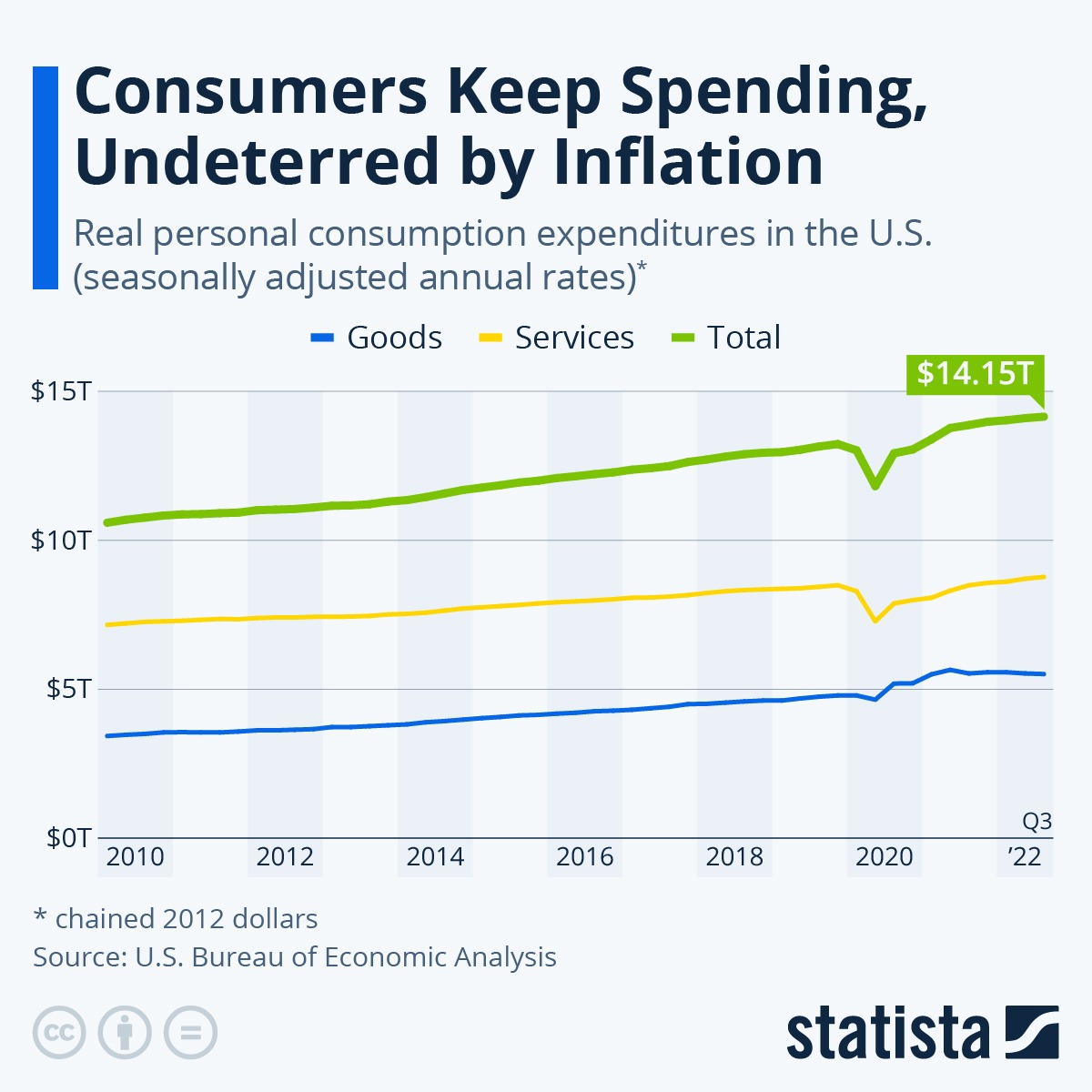
Inflation in the U.S. has reached a three-year high, a development closely watched by policymakers. A significant contributing factor to this surge is the ongoing war in the Middle East, which has fueled energy shocks. These shocks are now reportedly seeping into broader economic sectors, impacting housing, travel, and everyday essentials. This spreading inflation presents a tough choice for the Federal Reserve as it strives to maintain price stability.
Several Federal Reserve officials have recently signaled a potential need to raise interest rates in the future if inflation risks continue to rise. This hawkish stance underscores concerns that current price pressures could become more entrenched without intervention.
Policymakers Split on the Path Forward
Despite the calls for potential rate hikes, not all Fed officials are in agreement. Federal Reserve Governor Michelle Bowman, for instance, has cautioned against raising interest rates to address the current spike in prices. This highlights the delicate balance the central bank must strike: responding to inflation without inadvertently stifling economic growth or overreacting to what might be transient factors.
The market’s immediate expectation, however, leans towards a pause. Prediction markets, such as those tracked by DeFi Rate, currently price a 97.8% probability that the Fed will maintain its current rate at the upcoming June 16–17 meeting. This suggests that while discussions around future hikes are intensifying, an immediate change is not widely anticipated by investors.
What a Rate Hike Would Mean for Your Finances
Any decision by the Federal Reserve to adjust interest rates has broad implications for the economy and personal finances. Higher interest rates typically lead to increased borrowing costs for consumers and businesses, impacting everything from mortgage rates to business loans. For homeowners or prospective buyers, a rate hike could translate to higher monthly mortgage payments, directly affecting affordability.
Conversely, maintaining rates might offer some stability in borrowing costs but could allow inflation to persist, eroding purchasing power over time. The Fed’s challenge is to find the optimal policy that cools inflation without pushing the economy into a slowdown.
Key Factors Shaping the Fed’s Next Move
As the debate continues, several critical factors will likely influence the Federal Reserve’s future decisions:
- Inflation Data: Upcoming inflation reports, particularly the Consumer Price Index (CPI) and Personal Consumption Expenditures (PCE) index, will be paramount. Persistent high readings could strengthen the argument for rate increases.
- Geopolitical Developments: The trajectory of the Middle East conflict and its impact on global energy prices will remain a significant external variable.
- Economic Growth: The Fed will carefully monitor indicators of economic health, such as employment figures and GDP growth, to ensure that any monetary tightening does not unduly harm the recovery.
- Policymaker Consensus: The evolving consensus among Fed governors and regional presidents will be crucial. Divergent views could lead to slower or more cautious policy adjustments.
The Federal Reserve is treading a tightrope, balancing the imperative to curb inflation against the risks of overtightening. While the immediate market expectation is for rates to hold steady, the intensifying debate among policymakers suggests that the possibility of future rate hikes remains a significant consideration, particularly if inflation continues its upward trajectory. Investors and consumers should remain attuned to forthcoming economic data and Fed communications for clearer signals on the direction of monetary policy.