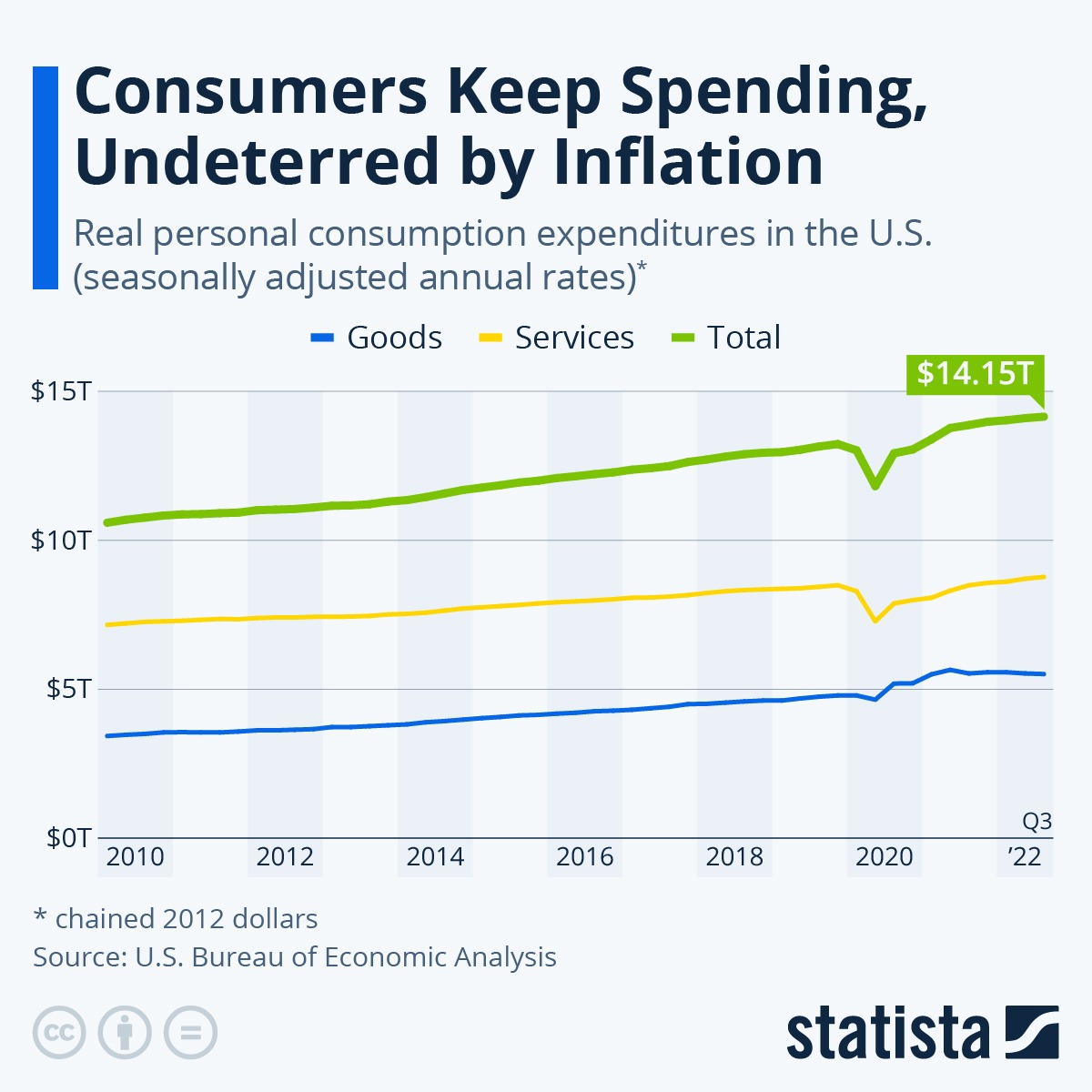
The Federal Reserve finds itself at a critical juncture, navigating persistent inflation pressures that are increasingly challenging its patient approach to monetary policy. As the June rate-setting meeting looms, market predictions suggest a near-certain hold on current rates, yet prominent voices in the financial sector are sounding alarms, warning the central bank risks ‘falling behind the curve.’
Rising consumer prices, fueled in part by geopolitical tensions impacting energy markets, are intensifying the debate around the Fed’s next move. This dynamic creates a complex environment for investors, businesses, and everyday consumers, as interest rate decisions ripple across the entire economy, from borrowing costs to investment returns.
Market Odds Point to a June Rate Hold
Despite the growing chorus of inflation warnings, prediction markets indicate a strong consensus for no immediate change in monetary policy. Data from platforms like Polymarket currently price a 97.1% probability that the Federal Reserve will maintain its current interest rates at the upcoming June 16-17 meeting. This reflects widespread market expectation that the Fed will opt for stability in the immediate term.
Citadel Securities Warns of ‘Falling Behind the Curve’
While the market anticipates a pause, the underlying inflation narrative is gaining urgency. Major financial players are expressing concerns, with Citadel Securities openly warning that the Federal Reserve risks ‘falling behind the curve’ if it doesn’t pivot closer toward hiking interest rates. This sentiment underscores a growing belief among some financial institutions that the Fed’s current stance might be too dovish given the inflationary environment, where elevated consumer prices are increasingly perceived as the dominant threat to economic stability.
Geopolitical Tensions Fuel Energy-Driven Inflation
Adding to the inflationary pressures are global developments, particularly renewed U.S.-Iran tensions. These geopolitical factors have pushed up Brent crude prices, contributing to energy-driven inflation fears and further clouding the U.S. interest rate outlook. The impact is already visible in asset markets, with gold prices falling as the prospect of higher interest rates becomes a more tangible threat, increasing the opportunity cost of holding non-yielding assets.
The Broader Economic Impact and 2026 Outlook
The Fed’s policy path significantly influences bond yields, equity valuations, and currency movements. A prolonged period of high inflation, coupled with a perceived slow response from the central bank, could introduce volatility and uncertainty into financial markets. Beyond the immediate June decision, analysts are also beginning to question the Fed’s longer-term trajectory, pondering whether the U.S. Fed will truly raise rates in 2026 as some projections suggest.
Key Factors Shaping the Fed’s Next Moves
Looking ahead, several critical elements will shape the Federal Reserve’s decisions:
- Upcoming Economic Data: The Fed’s approach remains data-dependent. Future inflation reports, employment figures, and consumer spending data will be crucial in shaping the central bank’s outlook.
- Fed Communication: Statements from Federal Reserve officials, including Chair Jerome Powell and the 12 voting members, will be closely scrutinized for any shifts in tone or policy guidance.
- Geopolitical Developments: Ongoing international tensions, particularly those impacting global energy supplies, could continue to exert upward pressure on prices and influence the Fed’s calculations.
Balancing Inflation Control with Economic Growth
The Federal Reserve faces a delicate balancing act. While calls for rate hikes are growing, an aggressive tightening cycle could risk stifling a fragile economic recovery or even tipping the economy into recession. The current market pricing for June suggests that many still believe the Fed will prioritize stability in the very near term, perhaps viewing current inflation as transitory or manageable enough to avoid an immediate pivot. However, the persistent nature of price increases could force a re-evaluation sooner rather than later.
The Analyst’s Take: A Pivotal Moment for Monetary Policy
The market’s strong expectation for a rate hold in June provides a moment of calm, but the underlying currents of rising inflation and expert warnings are creating a compelling case for a more hawkish stance in the medium term. Investors should prepare for continued scrutiny of inflation data and Fed commentary, as any perceived delay in addressing price pressures could lead to more significant policy adjustments down the line. The debate is no longer if the Fed will act, but when and how decisively it will pivot to confront the dominant threat of inflation.