Federal Reserve Hints at More Rate Hikes as Inflation Persists, Bond Market Reacts

The financial markets are once again grappling with the specter of higher interest rates, as recent signals from the Federal Reserve indicate a potential shift in monetary policy. Minutes from the latest Federal Open Market Committee (FOMC) meeting reveal that a majority of officials are prepared to raise interest rates further if inflation does not consistently cool. This hawkish stance comes at a time when bond yields are surging, effectively sending a clear message to the central bank that current rates may not be sufficient to tame persistent price pressures.
Hawkish Signals Emerge from Federal Reserve Minutes
The latest Federal Reserve minutes have underscored a growing concern among policymakers regarding the persistence of inflation. According to reports, a significant number of Federal Reserve officials believe that additional interest rate hikes might be necessary should recently accelerating inflation fail to recede. This sentiment suggests a more aggressive posture than some market participants might have anticipated, challenging the narrative that the Fed is nearing the end of its tightening cycle or considering rate cuts in the near future. The incoming chairman, Kevin Warsh, is set to navigate this tougher outlook as inflation pressures return.
Bond Market’s Clear Message: Rates Aren’t High Enough
In a powerful display of market conviction, the bond market has been vocally signaling its belief that current interest rates are not high enough to curb inflation effectively. The 2-year Treasury yield, often seen as a bellwether for the Federal Reserve’s policy expectations, has been climbing. Even more strikingly, the 30-year Treasury note recently reached a yield of 5.2%, marking its highest level in nearly 19 years. This surge across the yield curve indicates that investors are demanding higher compensation for holding government debt, reflecting expectations of prolonged inflation and potentially more aggressive action from the Fed. This market movement serves as a direct, albeit subtle, communication to the central bank.
Inflation’s Stubborn Grip Fuels Rate Hike Speculation
The Federal Reserve’s contemplation of further rate hikes is directly tied to the stubborn nature of inflation. While there have been periods of moderation, recent data suggests that price pressures are not cooling as rapidly or consistently as policymakers would prefer. Factors such as rising oil and gas prices, partly attributed to geopolitical tensions including the Iran war, have reignited inflation concerns, impacting American households and businesses. This sustained inflationary environment is eroding purchasing power and creating economic uncertainties, making the Fed’s job of achieving its 2% inflation target increasingly challenging. The impact on energy pricing, though sometimes quirky, has a significant influence on the broader inflation picture.
The Broader Economic Impact of Enduring High Rates
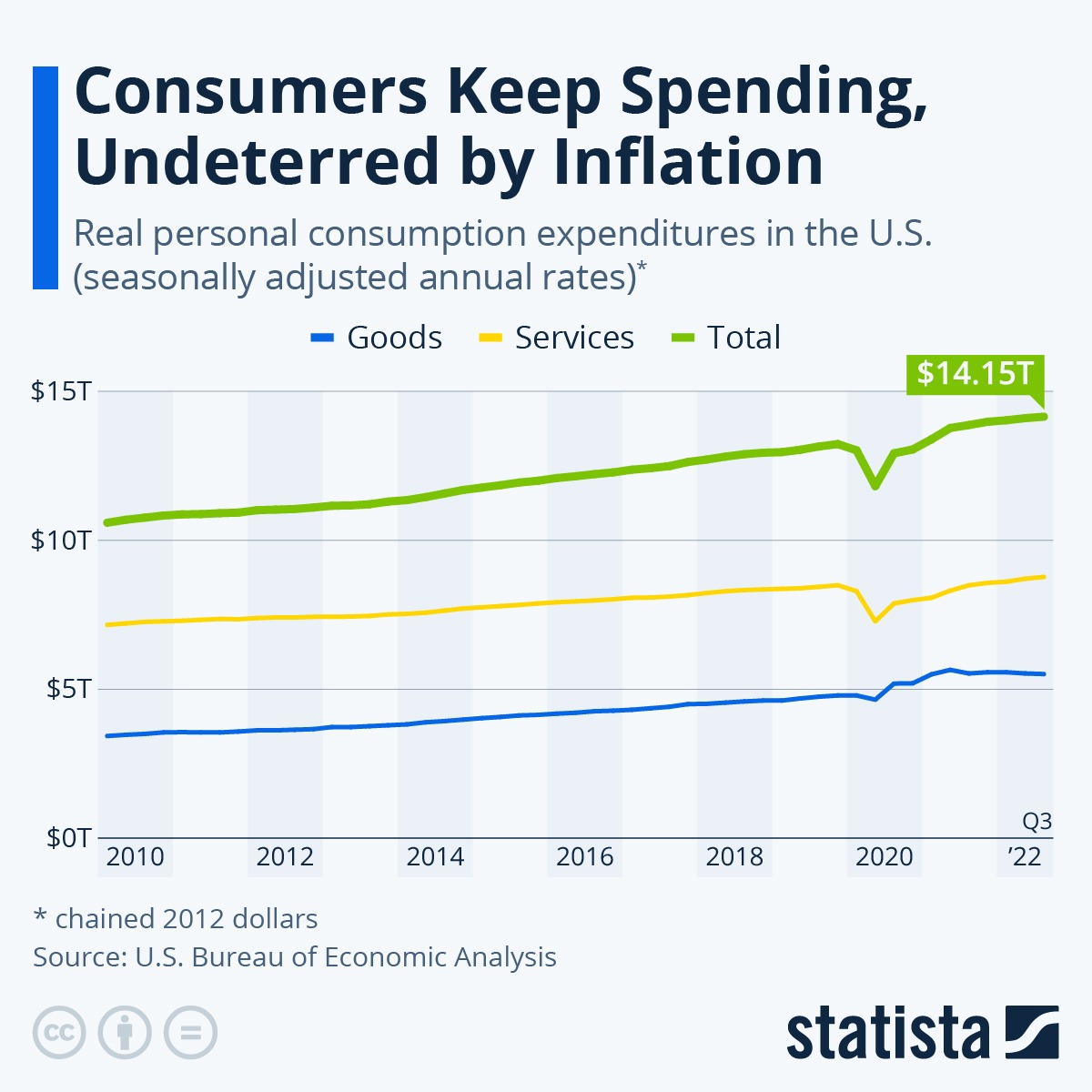
A prolonged period of high interest rates, or even additional hikes, carries significant implications for the broader economy. For consumers, this translates to higher borrowing costs for mortgages, auto loans, and credit card debt, potentially dampening consumer spending. Businesses face increased costs for capital, which could stifle investment and expansion. Furthermore, rising interest rates are already ‘exploding the debt,’ as noted by the Committee for a Responsible Federal Budget, posing a fiscal challenge as the cost of servicing government debt increases. The bond market’s reaction, with yields up and prices down, reflects investor anxiety that hotter inflation will keep rate cuts on hold, impacting everything from corporate earnings to household finances.
Navigating the Path Ahead: What Investors Should Monitor
As the Federal Reserve grapples with these complex economic crosscurrents, investors and consumers alike should closely monitor several key indicators. Future inflation reports will be paramount in shaping the Fed’s decisions, particularly core inflation metrics that exclude volatile food and energy prices. The bond market’s continued signaling, especially the movements in Treasury yields, will offer real-time insights into market expectations for future rate policy. Any shifts in global energy prices or geopolitical developments could also quickly alter the inflation outlook. The Fed’s communications, including future meeting minutes and public statements from officials, will provide further clarity on the central bank’s evolving strategy as it seeks to balance inflation control with economic stability.