Kevin Warsh has officially taken the helm as the 11th Chair of the Federal Reserve, stepping into a role that immediately places him at the center of a high-stakes economic debate. His swearing-in ceremony, led by President Donald Trump, comes at a critical juncture for U.S. monetary policy, with rising inflation challenging the White House’s vocal calls for interest rate cuts. The new chair inherits an economy grappling with elevated oil prices and a bond market signaling potential rate hikes, setting the stage for a challenging tenure.
A New Era for the Federal Reserve Amidst Political Pressure
President Trump has consistently advocated for lower interest rates, believing they would stimulate economic growth. The appointment of Kevin Warsh, a figure perceived by some as aligned with this view, initially fueled speculation about a more accommodative stance from the central bank. However, the economic reality Warsh now confronts paints a different picture. Inflation has been on an upward trajectory, a key factor the Federal Reserve considers when setting its benchmark interest rate.
This divergence between political aspiration and economic necessity creates an immediate tension for the new Fed Chair. The Federal Reserve’s independence from political influence is a cornerstone of its credibility, designed to allow it to make decisions based solely on economic data and its dual mandate of maximizing employment and maintaining price stability. Warsh’s early actions will be closely watched for how he navigates these conflicting pressures.
Inflation’s Grip Tightens: Why Rate Cuts Look Unlikely
Despite the calls for easing, several indicators suggest that the path to lower rates is far from clear, and indeed, the opposite might be necessary. Federal Reserve Governor Christopher Waller, an influential voice in policymaking, recently stated that interest rates should remain at current levels. Waller, who until recently had advocated for lower rates, now finds talk of rate cuts “crazy,” citing the lasting impact of higher oil prices on the economy. This shift in sentiment from a previously dovish policymaker underscores the gravity of the current inflation environment.
The bond market, often a forward-looking indicator, has also begun bracing for the possibility of a rate hike rather than a cut, reflecting concerns about persistent inflationary pressures. Consumers are also feeling the pinch, with rising prices for gas and other necessities fueling anxiety about the long-term effects of inflation, as reported by U.S. News & World Report. This broad-based concern about price stability puts significant pressure on the Federal Reserve to act decisively.
Navigating the Oil Shock and Global Economic Headwinds
The current economic backdrop is further complicated by global factors. The European Commission recently raised its 2026 inflation forecast for the eurozone, citing an “energy shock” from the conflict in the Middle East. While this directly impacts Europe, such global energy price surges inevitably ripple through the U.S. economy, contributing to domestic inflationary pressures. CNN also reported on the damage the Iran war has done to the U.S. economy, pushing oil and gas prices to four-year highs and reigniting inflation.
Fed Governor Waller’s comments directly acknowledge this “oil shock” as a reason to hold rates steady, emphasizing that its impact could be long-lasting. This suggests that the Federal Reserve’s policy decisions will need to account for both domestic demand-side pressures and external supply-side shocks, making the management of inflation even more intricate.
What This Means for Your Wallet and the Markets
For investors, the potential for sustained higher interest rates or even further hikes carries significant implications. Higher rates generally translate to higher borrowing costs for businesses and consumers, which can slow economic activity. This can impact corporate earnings, particularly for growth-oriented companies that rely on accessible capital. The bond market’s reaction, signaling potential hikes, indicates that market participants are adjusting their expectations for future monetary policy.
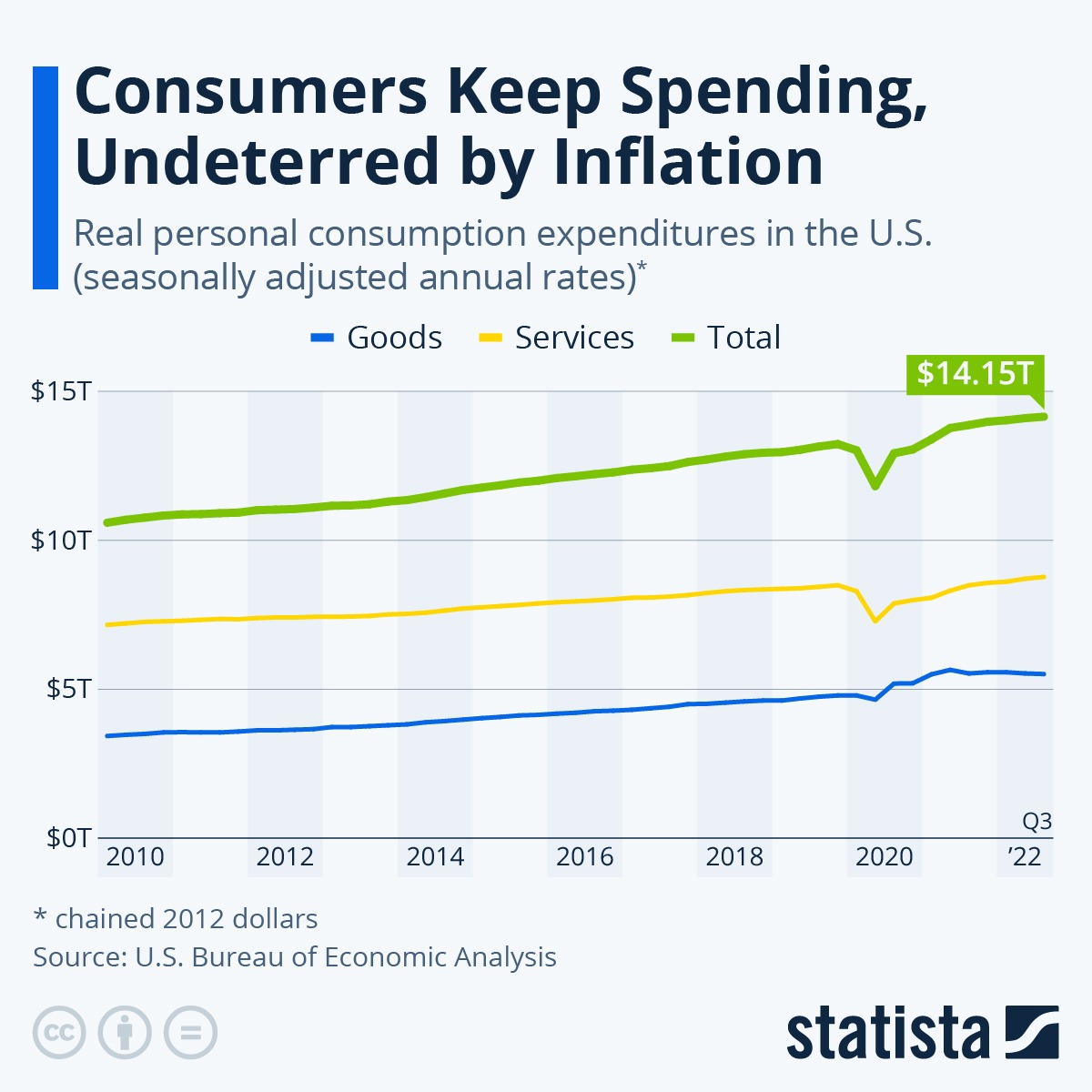
Consumers may see continued pressure on mortgage rates, auto loans, and credit card interest rates, making borrowing more expensive. While a strong labor market might offer some buffer, persistent inflation erodes purchasing power, affecting household budgets and consumer sentiment. The Federal Reserve’s balancing act between controlling inflation and supporting economic growth will directly influence the financial health of millions.
The Path Forward: Warsh’s Immediate Challenges
As Kevin Warsh begins his term, all eyes will be on his initial statements and the Federal Open Market Committee’s (FOMC) upcoming meetings. His leadership will be tested by the need to articulate a clear monetary policy strategy that instills confidence in markets while effectively addressing inflation. The tension between political desires for rate cuts and the economic imperative to maintain price stability will define the early days of his chairmanship.
Investors and the public should closely monitor upcoming inflation data, statements from Fed officials, and any shifts in the Fed’s “dot plot” projections for future rate movements. The new Fed Chair faces the immediate challenge of proving the institution’s commitment to its mandate, even when faced with external pressures that seek to influence its decisions. The market’s interpretation of his stance will be crucial in shaping economic expectations for the remainder of the year and beyond.